


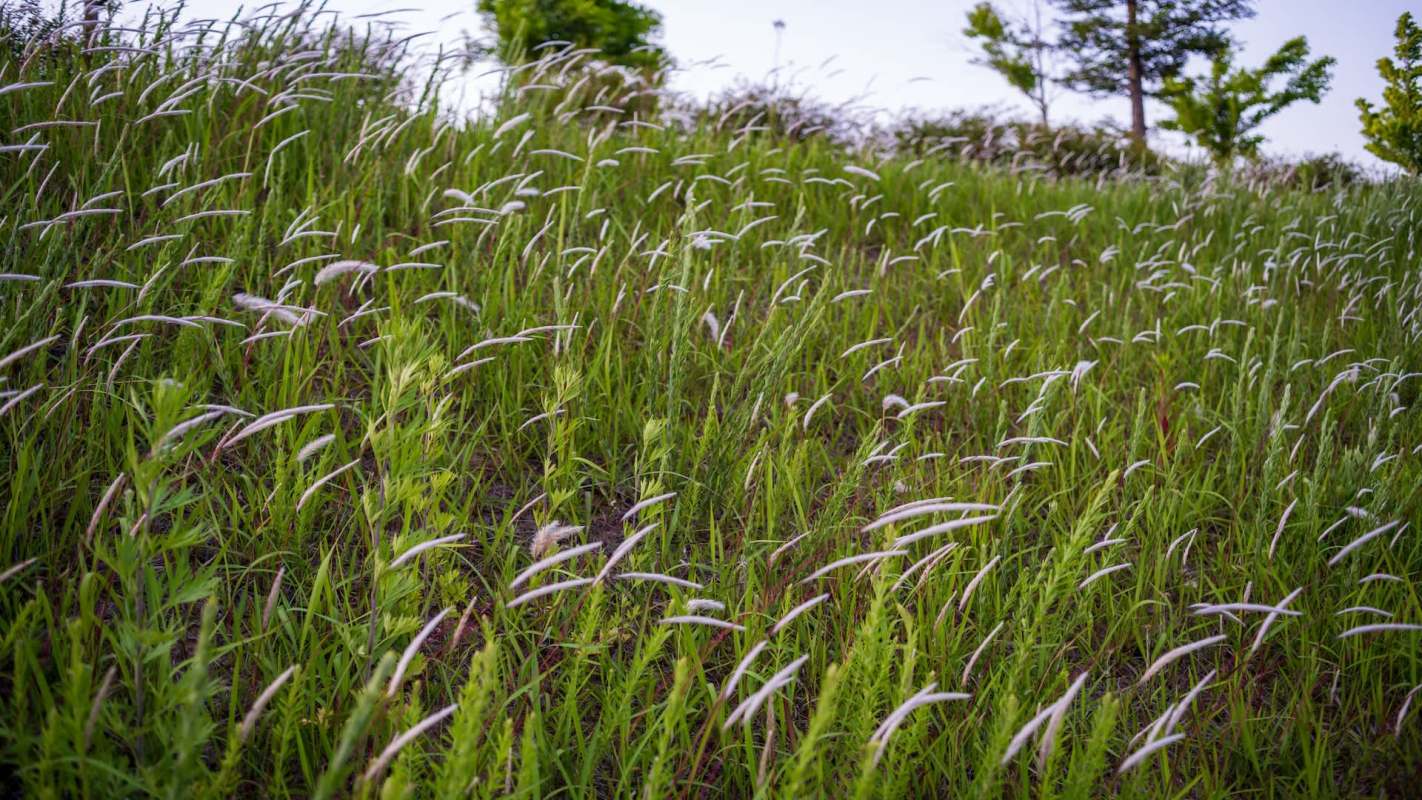
Florida researchers warn cogongrass is not just any weed, but an invasive grass that is proving to be a haven for ticks.
Here's what to know
In findings highlighted by House Digest, the University of Florida compared cogongrass-dominated plots with native vegetation areas and saw much longer survival among lone star ticks in the invaded sites. Adults in the cogongrass lived more than 100 extra days — a gain of over 50%.
Hot, dry weather is hard on ticks, so the structure of cogongrass gives them better places to hide and survive, raising concerns that go beyond landscaping. The plant grows in dense stands roughly 30 inches tall, and that heavy cover keeps the ground below cooler and more humid, creating ideal conditions for tick longevity.
The researchers focused on lone star ticks — a problematic tick in the South. Their bites can spread ehrlichiosis, a bacterial illness that can cause fever, chills, and body aches.
The study also found that deer activity was similar in plots with cogongrass and those with native vegetation — important to note since deer are a common host of ticks. That led researchers to conclude that the "dominant driver of tick abundance in invaded areas" was the extended survival time of the ticks themselves.
Why is this important?
Invasive species come with a plethora of negative repercussions. Cogongrass did not start out in the U.S. as a recognized threat. After arriving in the early 20th century in packing material, it was eventually encouraged for erosion control and considered forage until its vigorous spread made it a major invasive problem instead.
TCD Picks » Quince Spotlight
💡These best-sellers from Quince deliver affordable, sustainable luxury for all




The University of Florida findings show how a yard overrun with invasive grass may also become more hospitable to pests that carry illness. Cogongrass appears on the Federal Noxious Weed List, and beyond harboring ticks, the grass also carries an "extreme" flammability rating, creating concerns for gardens, surrounding habitats, and fire safety wherever it spreads unchecked.
Cogongrass has soft, feathery plumes and spreads quietly through both windblown seeds and deep underground rhizomes. It has been ranked among the world's worst weeds and is incredibly difficult to control once it becomes established.
What can be done?
Catching cogongrass early makes it easier to remove. Small patches are easier to tackle before they go to seed, though established infestations can be much harder to manage because of their deep rhizomes. In many cases, local extension services can help identify the plant and recommend control options.
Replace invasive grasses with native or noninvasive plants. Keeping yard vegetation trimmed, removing excess debris, and checking for ticks after spending time outdoors can also lower the chances of bites.
Plant choices affect more than appearance. House Digest has a list of 18 plants that keep ticks out of the yard, which can be especially helpful for areas where ticks are abundant. If the ticks are already present, there are ways to stop them from taking over your lawn without toxic chemicals that can contaminate soil and waterways.

Get TCD's free newsletters for easy tips, smart advice, and a chance to earn $5,000 toward home upgrades. To see more stories like this one, change your Google preferences here.






