


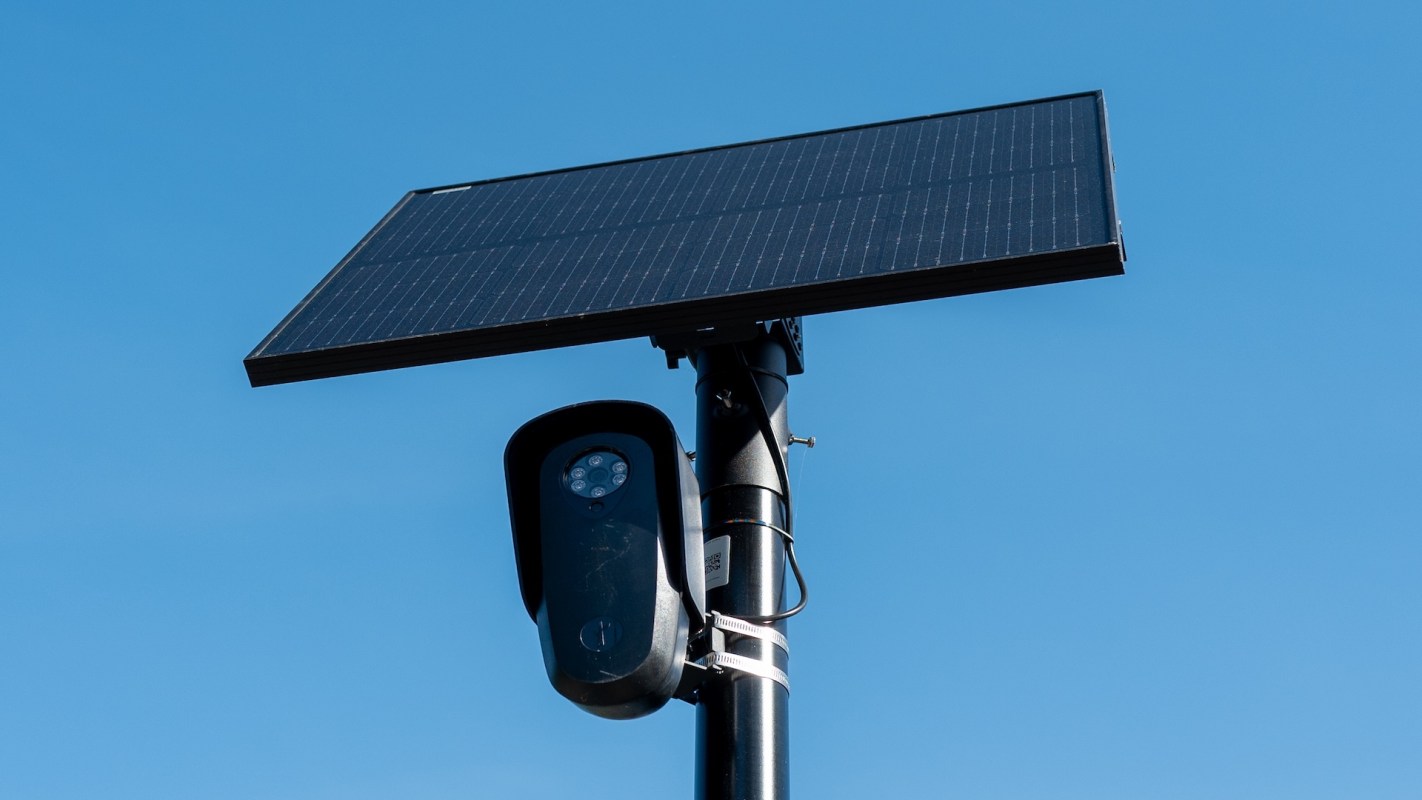
Debates over Flock camera surveillance are spreading across Minnesota, pitting police departments that credit the devices with helping crack cases against residents and officials who see them as an expansive form of surveillance that can be abused.
As more cities weigh whether to keep, expand, or shut down the systems, the dispute is becoming a broader discussion about public trust and how much data law enforcement should be allowed to collect about daily life, according to MPR News.
Here's what to know
Local governments across Minnesota are taking sharply different approaches to Flock's automated license plate readers.
Police agencies argue the cameras are vital tools, while other communities have paused contracts or faced pushback from residents worried about privacy.
University of Minnesota law professor William McGeveran said people may not realize how much information cameras can gather beyond a plate number.
"Flock goes further," McGeveran warned. "It knows the make, model, color of your car. It reads your bumper stickers. It finds scratches and bumps on the back part of your car, and all that can go in the database as well."
TCD Picks » Quince Spotlight
💡These best-sellers from Quince deliver affordable, sustainable luxury for all




McGeveran said that material is compiled into a searchable system used mostly by police. He also cautioned that the same data can be drawn into immigration enforcement, including through local agencies conducting searches for federal authorities.
"There are many, many examples of ICE having access to the data from the cameras by working with a local law enforcement agency that runs a search for them, including in Minnesota," he noted.
The issue has become especially contentious in Fridley, where a Minnesota Star Tribune investigation identified hundreds of immigration-related searches involving Twin Cities Flock data, with most of them tied to Fridley cameras.
The city later moved to restrict access.
More background
Supporters of the cameras say the technology can be a major asset for police departments.
In Medina, Police Chief Jason Nelson told the city council that it helped investigators identify and track a suspect in the kidnapping of a 9-year-old girl. The department has also used it to recover stolen vehicles and investigate burglaries.
"It acts as a force multiplier for our department because we're a small department, but yet we have a big geographical area," Nelson said.
"So knowing that a stolen vehicle is coming into the city in an area that we were not in, it notifies us. It notifies our surrounding agencies."
However, opposition has grown as residents question whether tools that may help identify suspects could also normalize broad surveillance of everyone else.
At least four Minnesota cities have said Flock cameras were vandalized or stolen, including Winona, where all eight were taken.
What's being done?
Some cities are responding by slowing their plans or pulling back altogether.
North Branch has put a planned expansion on hold, while Duluth, Columbia Heights, and West St. Paul have taken steps to suspend or end their Flock contracts.
Others are trying to impose tighter limits instead of abandoning the systems entirely.
Flock claims federal data sharing is disabled by default and that local communities choose who can access and share their data. Nelson said Medina shares data only with approved agencies and has not provided it to the federal government.
That leaves local officials trying to strike a difficult balance: using technology to support public safety without eroding civil liberties or community trust.
Public meetings, contract reviews, and access restrictions have become the main ways communities are trying to define that boundary.
As North Branch Mayor Kevin Schieber observed, the debate ultimately comes down to confidence in the system itself.
"If you don't trust the data, if you don't trust the system, then that information doesn't matter. I saw the benefits, but I also understand the loopholes, the concerns. I also understand the government overreach stuff," Schieber remarked.

Get TCD's free newsletters for easy tips, smart advice, and a chance to earn $5,000 toward home upgrades. To see more stories like this one, change your Google preferences here.






