


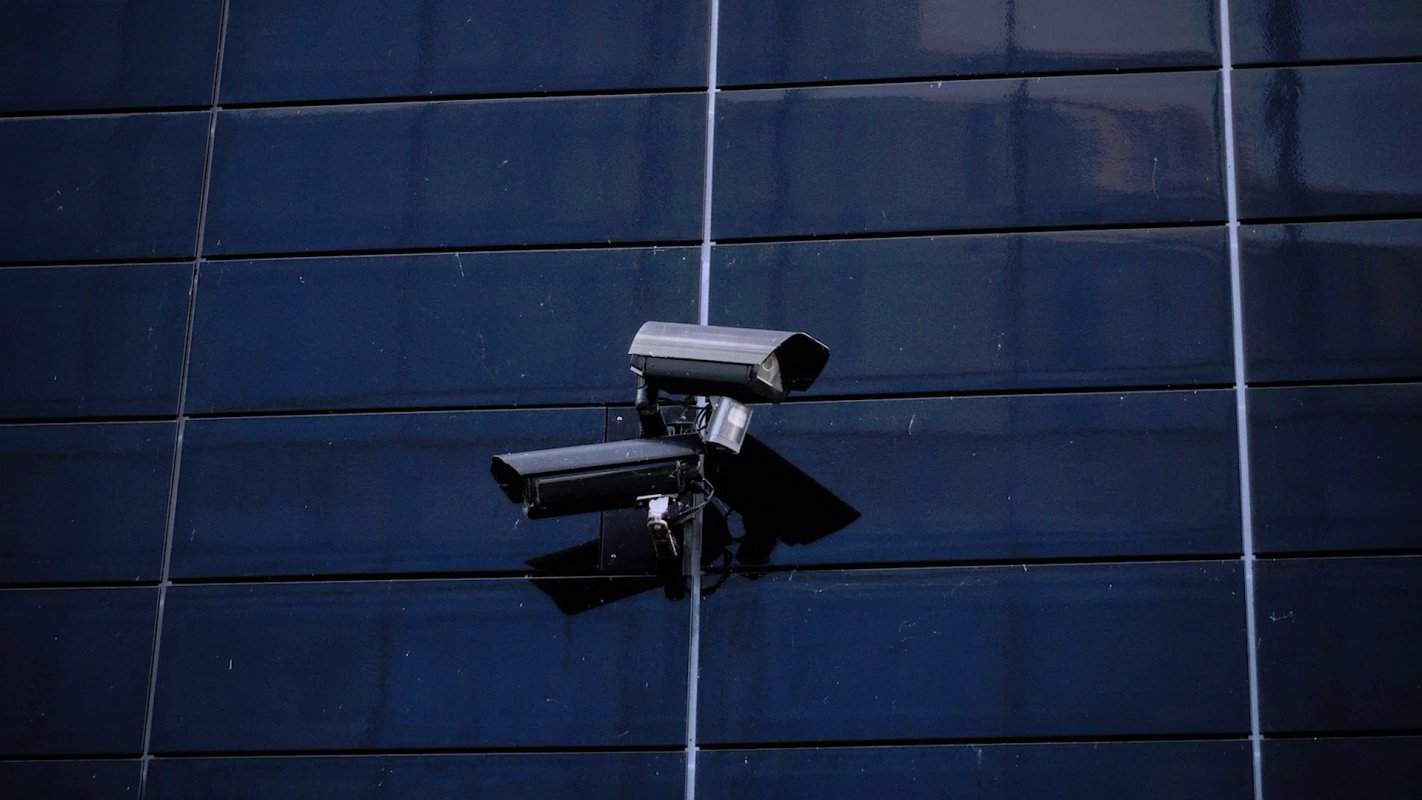
For many people in Pasadena, California, the sight of cameras on poles means an ordinary drive across town could leave a record that is saved and later searched.
That concern is fueling a push by activists who want the city to end its contract with Flock, saying constant surveillance makes communities less free and less trusting, not safer.
Here's what to know
According to The Orange County Register, Pasadena Privacy said it gathered more than 2,700 letters asking city leaders not to renew Pasadena's Flock camera contract when it expires next month. The group says the automated license plate readers pose major privacy concerns and can be misused by law enforcement.
Flock cameras are used by over 5,000 police agencies and 1,000 businesses across the country.
Pasadena has 61 of them, and the company says they helped recover 30% of vehicles stolen locally last year, amounting to about $700,000 in recovered property.
Opponents say the debate is about much more than stolen cars. The Register noted that law enforcement agencies in neighboring counties shared license plate data with federal officials.
TCD Picks » Quince Spotlight
💡These best-sellers from Quince deliver affordable, sustainable luxury for all




"That's what really puts people on notice that these technologies exist and that there are these negative implications for the public," Lauren Bonds, executive director of the National Police Accountability Project, told the newspaper.
Pasadena Privacy member Yadi Younse said, "I'm not surprised by the visceral reaction, and I'm glad."
More background
What is happening in Pasadena mirrors a wider fight underway in California and across the country. Flock cameras photograph passing cars and record license plates and other vehicle details in searchable databases that can help authorities determine where a car has been.
Supporters say that helps police find stolen cars, missing people, and suspect vehicles. Critics say the same system can facilitate stalking, overpolicing, and broad data sharing.
Agencies have shared license plate data with federal immigration officials, and officers have used the camera systems to stalk romantic partners and exes.
Several cities have ended their Flock contracts, including South Pasadena, El Cerrito, and Mountain View.
What's being done?
Pasadena has not announced a decision. A city spokesperson said officials were "working to get the appropriate city and outside representatives to the table via a Public Safety Committee meeting in the next few months," per the Register.
Pasadena Councilmember Tyron Hampton said he wants the city to remove its Flock network and explore other automated license plate readers that he hopes would better protect privacy. But privacy advocates say switching to a different vendor would not necessarily solve the problem.
In other places, officials have narrowed rules instead of scrapping the systems.
In Costa Mesa, for instance, leaders reduced the data-retention period from one year to 45 days, the Register reported. A California bill would cap retention at 30 days in many cases.
"I just don't trust the federal government right now. I wouldn't feel comfortable pursuing this for quite a long time," Pasadena Vice Mayor Jess Rivas said.

Get TCD's free newsletters for easy tips, smart advice, and a chance to earn $5,000 toward home upgrades. To see more stories like this one, change your Google preferences here.







