


After seven contractors pushed DC-area homeowner Bob Soule toward gas appliances instead of an electric heat pump, he found himself with no one he could trust for guidance.
So, Soule cofounded a free coaching effort, according to Washingtonian.
Here's what to know
Among the seven proposals he collected for an electric heat pump, four contractors told him his home could not be electrified and would need gas instead. Another said the system would stop working in below-freezing weather.
Soule chose to investigate those claims on his own and later helped launch Go Electric DMV, a free volunteer program that helps people in the Washington area navigate electrification decisions involving solar panels, heat pumps, induction cooktops, and electric vehicles.
Crushed by your bills? See instant solar savings from vetted installers in just a few clicks With energy prices through the roof, there's never been a better time to go solar — and EasyHome can help you find the best prices from the best installers in your area. EasyHome takes the guesswork and headaches out of energy upgrades by showing you estimated savings from a network of vetted local partners. To get started, just enter your ZIP and share a few details about your home — seeing your estimate is really that easy. |

That approach stands out because homeowners often have to sort through advice from companies that are also trying to make a sale. The program connects people with neighbors who have already been through the process and have no financial stake in the sale.
For many households, the challenge is not just deciding what to buy but figuring out which claims are accurate, which incentives apply, and which upgrades make the most sense to prioritize.
For homeowners considering rooftop panels, going solar is one of the best ways to save money on home energy. EnergySage can help you get free solar installation estimates and compare quotes before signing anything.
More background
Many homeowners run into the same problem when they try to electrify: conflicting information that makes even straightforward upgrades feel hard to evaluate. Soule's experience also shows how easily cleaner technology can be dismissed when contractors disagree or fall back on familiar systems.
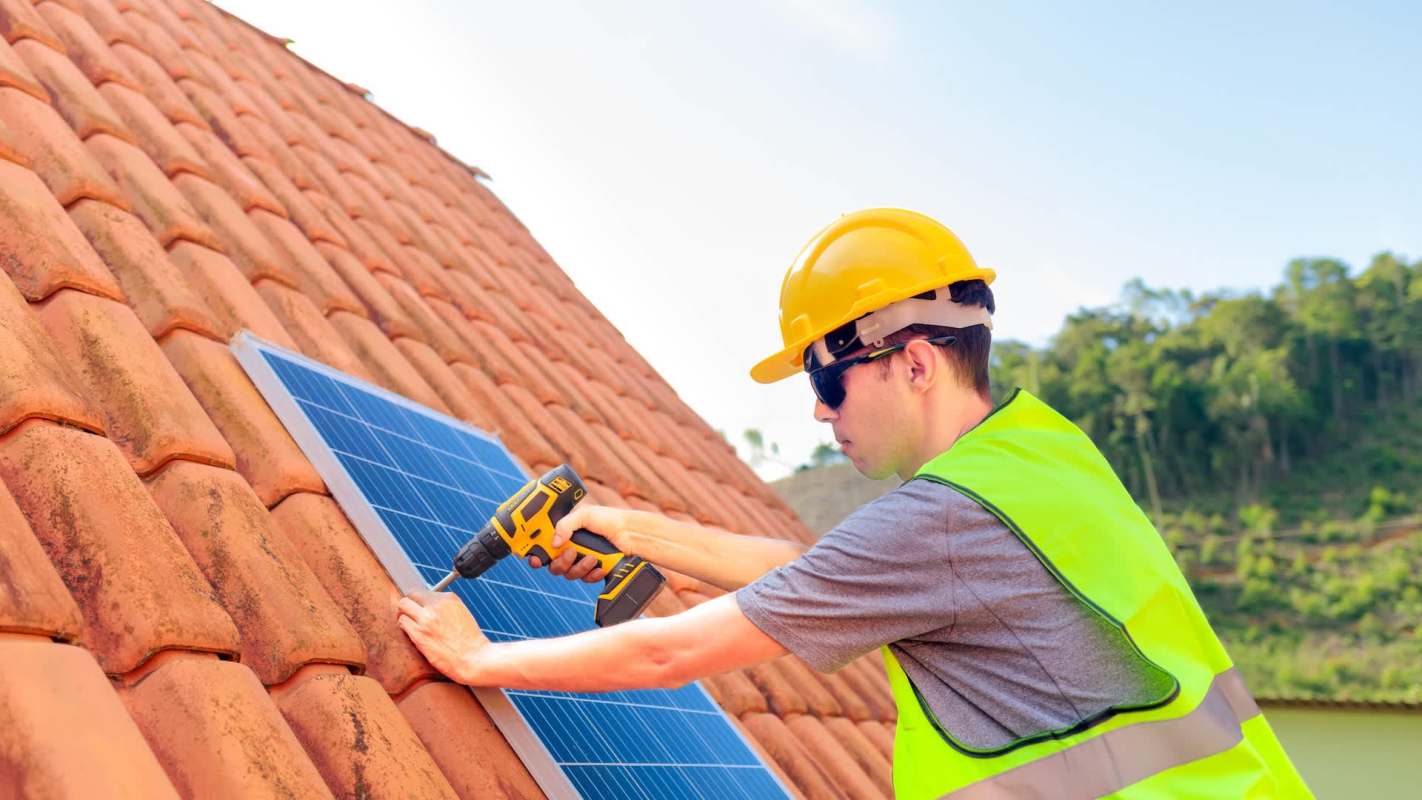
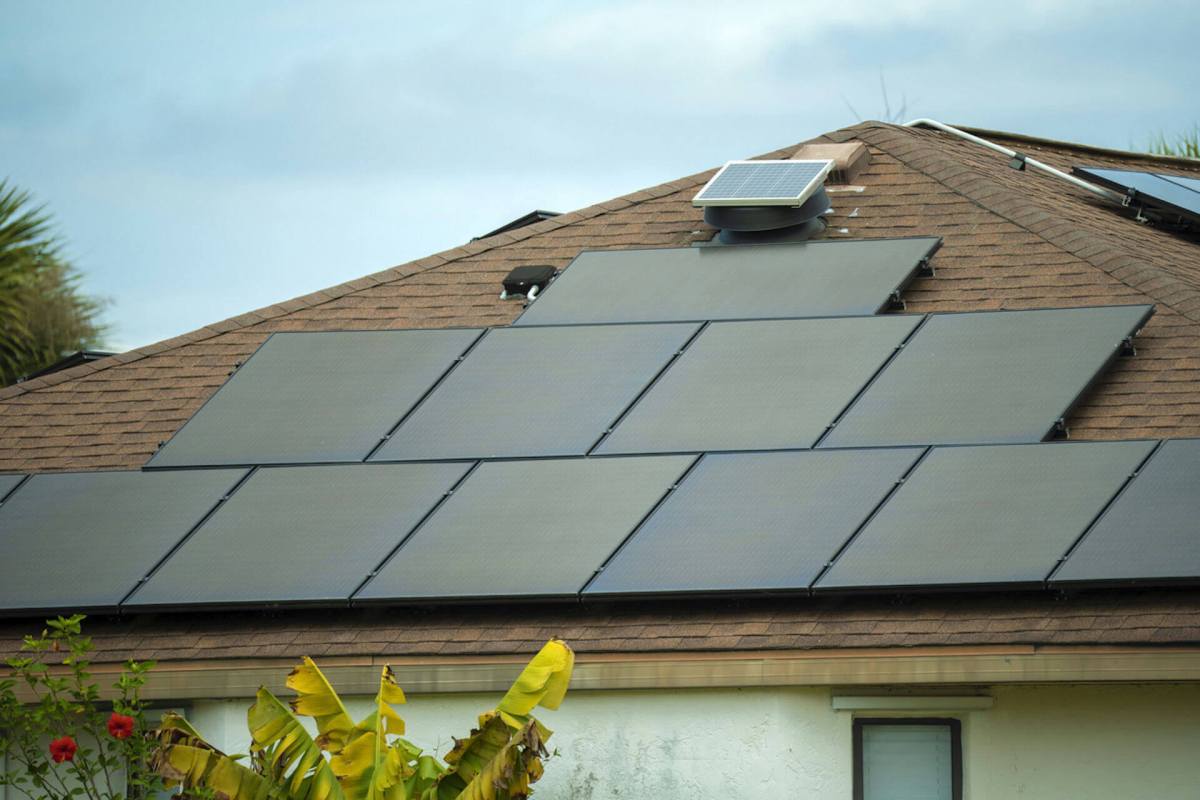
In the end, Soule installed the electric heat pump, put solar panels across his roof, and now powers almost all of his home with electricity, as reported by Washingtonian. He said he now gets through winter "quite comfortably."
That kind of firsthand guidance can be especially valuable for families trying to lower utility bills, reduce indoor air pollution from gas appliances, or make their homes less dependent on carbon-heavy energy sources. It can also save people time and stress when comparing bids, timelines, and product claims.
In a market crowded with sales pressure, programs like this can make clean-energy upgrades feel less overwhelming and more within reach.
What can be done?
A volunteer coach, a local community group, or even a well-informed neighbor can help people ask better questions before committing to a major home upgrade.
More From EnergySage
💡Go deep on the latest news and trends shaping the residential solar landscape


Readers can also use EnergySage's solar map. Together, those resources can help readers get the best price for rooftop solar panels and access available incentives.
Adding battery storage to a solar setup is one of the best ways to protect your home during outages, save money on energy, and go off grid. Homeowners who want to pair solar with backup power can explore EnergySage for information about home battery storage options.
And for anyone who wants to support the kind of grassroots work that helps more households make these changes, it may also be worth learning more about donating money to climate causes.
For Soule, the program's value comes down to practical experience: "We're not professionals, but we have a lot of experience with these systems, and we can point people in the right direction and give them the right questions to ask."

Get TCD's free newsletters for easy tips, smart advice, and a chance to earn $5,000 toward home upgrades. To see more stories like this one, change your Google preferences here.






