


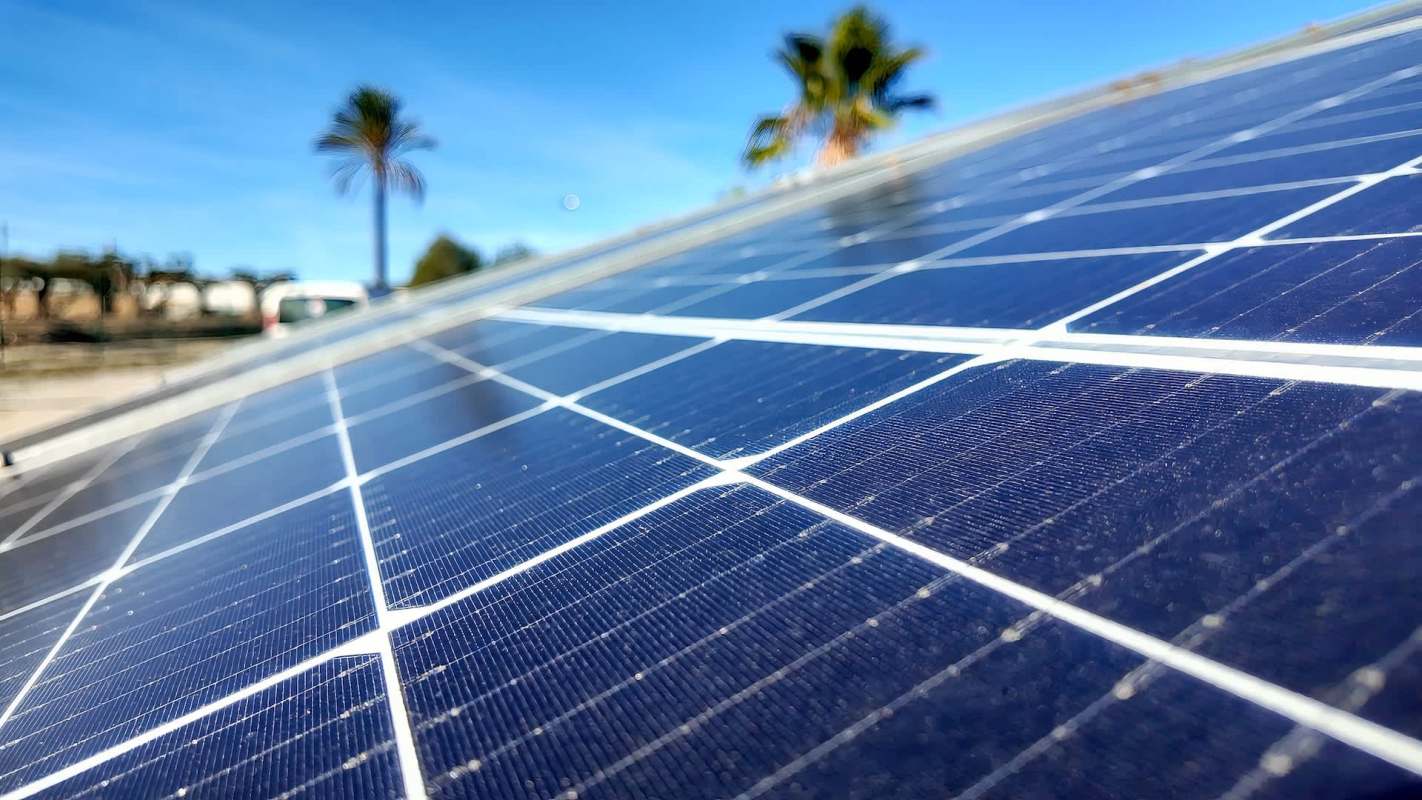
The expiration of a major federal solar subsidy has not brought Hawaiʻi's rooftop market to a halt, suggesting continued homeowner interest in lower electricity bills and emergency backup. Over the first six months of 2026, Hawaiian Electric customers installed thousands of new home solar systems, a sign that demand is holding up even under less favorable policy conditions.
Here's what to know
Even though the federal clean energy tax credit ended on Jan. 1, 2026, Hawaiian Electric reported 3,429 new grid-connected rooftop systems between January and June. Combined, those installations added 36 megawatts of capacity, according to Maui Now.
Battery adoption was also significant during that stretch, with customers adding 55 megawatts of storage — a clue that solar buyers are often seeking backup power too. By island, Oʻahu led with 2,505 new systems, followed by Hawaiʻi Island at 490 and Maui County at 434.
If you're looking to reduce energy costs and considering installing a system of your own, it can help to explore EnergySage to get free solar installation estimates and compare quotes from installers.
More background
More than two decades after starting its first customer solar program, Hawaiian Electric now operates in one of the country's most established rooftop solar environments. The utility says it has also emerged as a national leader in managing the grid complexities associated with large amounts of intermittent solar generation, Maui Now reported.
Those efforts coincide with exceptionally strong solar uptake. Rooftop systems are installed at about 27% of the utility's residential accounts and 45% of its single-family-home customers, and on Oʻahu the single-family figure reaches 50%.
Rooftop solar can help households lower monthly electricity costs, while battery storage can provide added reliability during outages or periods of heavy demand. It also means more homes are producing cleaner electricity on-site, which can reduce pollution associated with conventional power generation and support healthier communities.
What's being done?
According to Hawaiian Electric, its customer energy resource programs continue to provide benefits despite the disappearance of the federal tax break. Programs including Smart Renewable Energy Export and other grid-services offerings can help customers receive bill credits or otherwise increase the value of their distributed energy resources.
Save $10,000 on solar panels without even sharing your phone number Want to go solar but not sure who to trust? EnergySage has your back with free and transparent quotes from fully vetted providers that can help you save as much as $10k on installation. To get started, just answer a few questions about your home — no phone number required. Within a day or two, EnergySage will email you the best local options for your needs, and their expert advisers can help you compare quotes and pick a winner. |

If you want to compare home battery storage options and competitive installation estimates, you can explore EnergySage to find a system that aligns with your home's needs.
EnergySage's free services can also make the buying process less overwhelming for households deciding whether to go solar. With EnergySage's help, the average person can save up to $10,000 on solar purchases and installations. You can also use EnergySage's solar map, which shows the average cost of a home solar panel system on a state-by-state level as well as details on solar panel incentives for each state. Together, those resources can help you get the best price for rooftop solar panels and access available incentives.

Get TCD's free newsletters for easy tips, smart advice, and a chance to earn $5,000 toward home upgrades. To see more stories like this one, change your Google preferences here.







