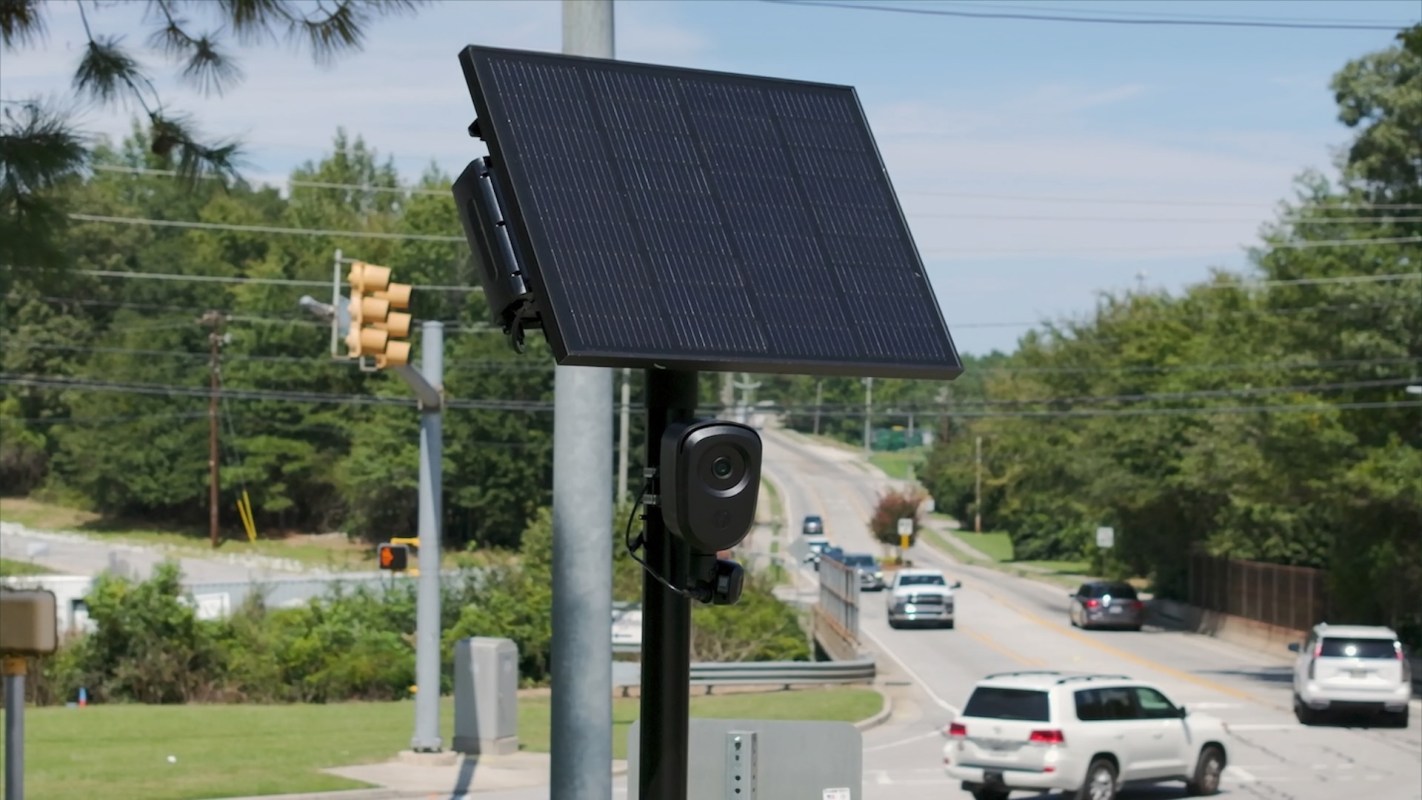
Opposition to Flock's license plate reading surveillance technology is gaining momentum among Huntington, West Virginia, residents, and activists are taking that fight to the ballot box.
The push intensified after the town's City Council recently approved Flock Safety contracts by a 6-4 vote, prompting organizers to launch a citywide signature drive for a ballot measure to ban third-party mass-surveillance systems.
Here's what to know
According to WTAP, the "Get the Flock Out! Huntington" initiative planned petition-signing events across the area and canvassed all nine of the city's council districts on August 21 and 22.
The proposed ballot initiative would both ban third-party mass-surveillance systems in Huntington and require the city to cancel the Flock Safety contracts approved by City Council on July 13, per WTAP.
Before the measure can reach the ballot, the city charter requires petitioners to collect signatures equal to at least 10% of registered voters in the last municipal election. The campaign is seeking about 4,000 signatures, which is nearly twice the minimum number required, according to WTAP. If enough of those signatures are certified, the measure would go to an election.
Huntington Community Action Group is leading the effort to fight the Flock surveillance with support from the ACLU of West Virginia, West Virginia Can't Wait, and West Virginia Citizen Action Group.
TCD Picks » Quince Spotlight
💡These best-sellers from Quince deliver affordable, sustainable luxury for all




More background
The dispute over Flock cameras in Huntington reflects the debate playing out in communities across the country over how much surveillance residents are willing to accept in exchange for possible public safety benefits.
Supporters of these camera networks often say automated license plate readers can help law enforcement investigate stolen vehicles or identify suspects more quickly.
Critics, however, argue that systems operated by third-party companies can normalize constant monitoring, collect data on ordinary people, and expand government power without enough public oversight.
As Katie Norman, a volunteer with Huntington Community Action Group, explained to WTAP, "People are realizing that their city government isn't going to fix this mess and are excited to be part of the solution."

Get TCD's free newsletters for easy tips, smart advice, and a chance to earn $5,000 toward home upgrades. To see more stories like this one, change your Google preferences here.