


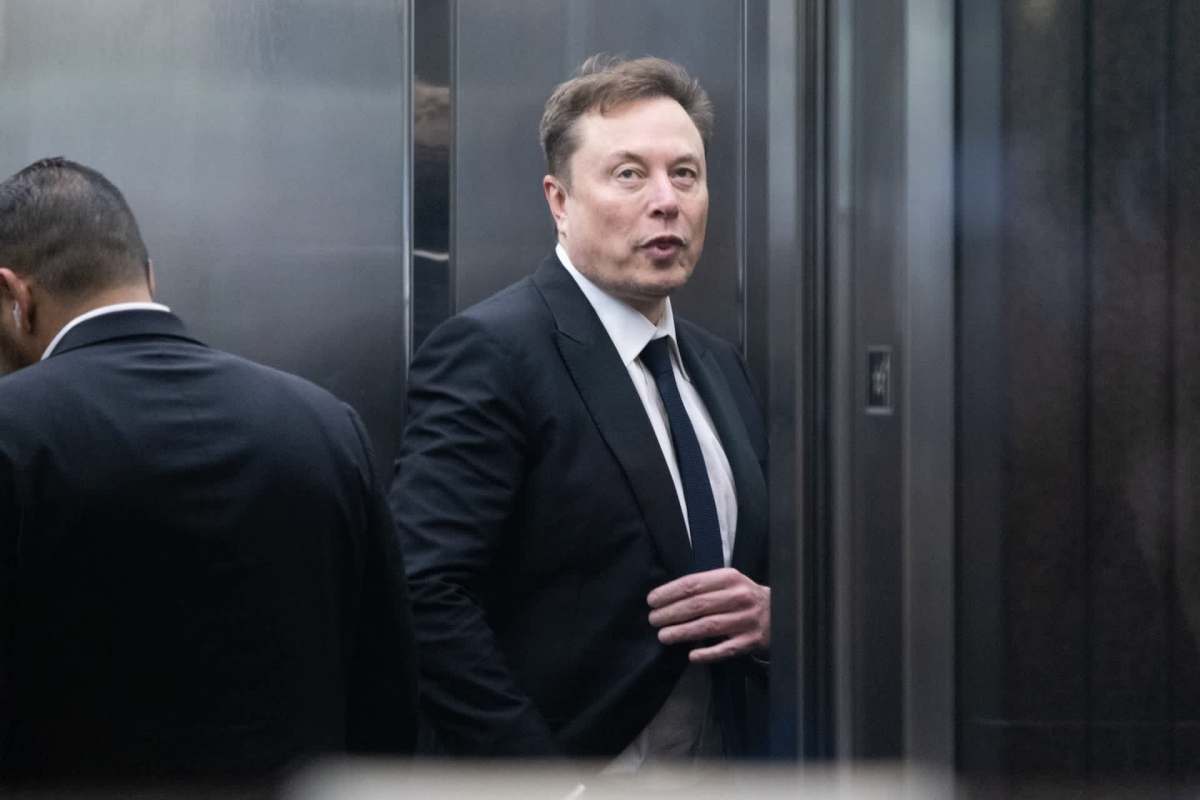
A typical Tesla employee would need to work for more than 2.5 million years to make what CEO Elon Musk was credited with earning in 2025 — a staggering figure that is drawing renewed attention to how far executive compensation can stretch from the workers who actually build the products.
Here's what to know
AFL-CIO data cited by Carscoops puts Tesla's 2025 CEO-to-worker pay ratio at 2,522,203-to-1, listing median employee compensation at $57,243 and Musk's 2025 compensation at more than $158.3 billion.
Other major automakers were nowhere near that level. General Motors reported median worker pay of $89,785, and CEO Mary Barra's roughly $29.9 million package worked out to a 333-to-1 ratio. At Ford, median employee pay was $93,397, while CEO Jim Farley's compensation of about $27.5 million was 295 times the median employee pay. Opendoor Technologies' median worker pay was $97,759, and its CEO-to-worker ratio was 7,581 to 1.
Even in a corporate environment where wide executive-worker pay gaps are common, Tesla's figures are unusually extreme, as its ratio was still more than 330 times larger. It was also noted that the massive paycheck tied to Musk reflects a large performance-based compensation award, so it does not align exactly with a worker's yearly wages.
Why is this significant?
If Tesla continues to perform as Musk has promised — hitting the contractual performance markers laid out and approved by shareholders in 2025 — the pay gap is only going to get bigger. In fact, he stands to earn the world's first trillion-dollar CEO payout.
As The Guardian reported, "Even if he worked 70 hours a week from age 20 to 75 and took no holidays, his pay rate would need to be about $5m an hour. By way of comparison, the median hourly wage in the US is just under $25."
TCD Picks » Quince Spotlight
💡These best-sellers from Quince deliver affordable, sustainable luxury for all




While the wealth disparity is already problematic, this payout sets a controversial precedent for corporate governance and heavily dilutes the value of shares for everyday investors. Many feel Musk's board is too lenient toward his demands, granting him far too much power to influence, fund, and shape political campaigns, public debate, and media platforms directly.
As the gap between the top 1% and everyday workers widens, the "American Dream" seems to fade further and further away, fueling social resentment and political extremism. Per The Guardian, "Just as the 'poverty line' determines what's required for basic living, we need a 'wealth line' to show when extreme wealth becomes harmful."
Beyond being fiscally, economically, and socially dangerous, this level of wealth is entirely wasteful and comes at an environmental cost. The global elite are responsible for a disproportionate amount of air pollution that the less fortunate are left to deal with. The richest 1% emit as much planet-warming pollution as two-thirds of the rest of the world, according to Oxfam. "Billionaires and trillionaires are not a sign of success, but of a dysfunctional system that is harmful to all our lives," The Guardian published.
What can be done?
Pay-ratio disclosures are one of the main tools available for holding major companies accountable. When workers, labor groups, shareholders, and consumers can clearly see these figures, it becomes harder for corporations to obscure the uneven distribution of compensation.
Investors can use that information to challenge pay packages and push for stronger oversight. Workers and advocates can also point to these disclosures when arguing for higher wages, better benefits, or profit-sharing systems that more directly reward the people keeping a company running.

Get TCD's free newsletters for easy tips, smart advice, and a chance to earn $5,000 toward home upgrades. To see more stories like this one, change your Google preferences here.






