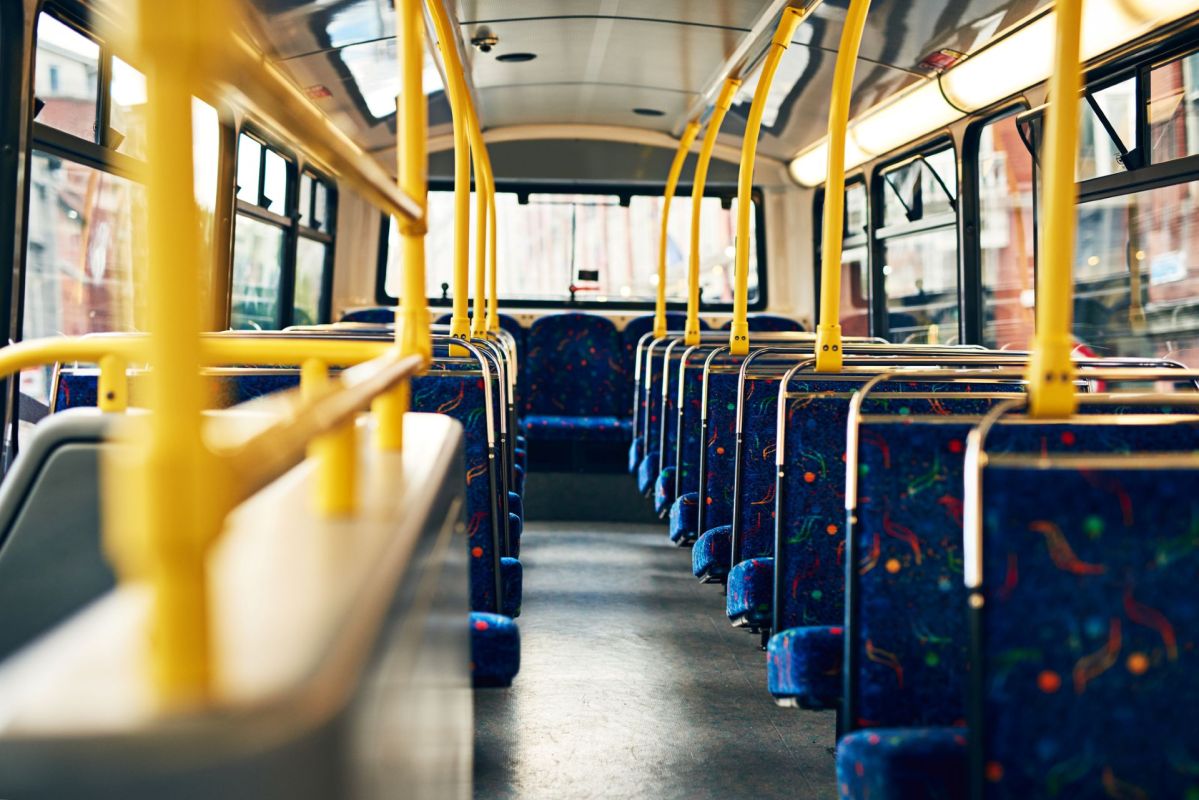
The Greenfield-based Franklin Regional Transit Authority says going fare-free on fixed bus routes has increased ridership, reduced tense interactions between passengers and drivers, and helped riders save money.
As Athol Daily News reported, those are results U.S. Sen. Ed Markey and U.S. Rep. Ayanna Pressley are citing as they push a proposed $5 billion federal transit program.
Here's what to know
Greenfield's Franklin Regional Transit Authority says that dropping fares on fixed routes has changed both the rider experience and the agency's usage, according to a new report. The standout results are part of the case Markey and Pressley are making for the Freedom to Move Act, as they laid out in a press release.
Their proposal would set up a $5 billion U.S. Department of Transportation grant program if enacted, Athol Daily News noted. Funding would be awarded in five-year blocks to states, local governments, transit agencies, and nonprofits to pay for fare-free service.
Markey pointed to results seen across Massachusetts.
"From Worcester to Boston to the Merrimack Valley, Massachusetts is showing the nation what is possible when transit goes fare-free," Markey said in the release. "Our report shows that fare-free transit saves families money, increases ridership, and helps make transit easier and simpler."
TCD Picks » Quince Spotlight
💡These best-sellers from Quince deliver affordable, sustainable luxury for all




Markey and Pressley's report said Massachusetts riders avoided $52 million in fares across 26 million bus trips in 2025, and that systems with free service saw ridership rise past pre-pandemic levels.
More background
For households that depend on the bus, eliminating fares can mean immediate savings. Franklin Regional Transit Authority Administrator Tina Cote told Athol Daily News riders have described the choice in stark terms.
"We've heard it's been a matter of choosing between getting groceries or getting to work. … We've heard how thankful people are," Cote noted to the paper.
The agency stopped collecting fares in 2020 as the pandemic disrupted transit and kept the no-fare model in place after state funding was announced in 2024. In May 2024, the FRTA board voted to make fixed-route service fare-free and made the policy permanent after examining how it was working, Athol Daily News reported.
Agency planning documents show FRTA provides roughly 170,000 passenger trips a year over about 730,000 miles of service, per the paper. After bottoming out in fiscal year 2021, ridership rebounded each year, ending FY24 up 44% from FY20.
Massachusetts performance figures also show the FRTA far surpassing its goal for fixed-route unlinked trips, exceeding the target by 146.21%, according to Athol Daily News.
What's being done?
The proposed federal legislation is meant to make fare-free transit easier to sustain, especially for communities that want to keep the savings without relying on short-term pilot programs. Smaller transit agencies often operate on thin margins, even when their service is essential.
Cote said the switch was not only helpful for passengers. For the FRTA, it also penciled out operationally.
"It cost us more to have the infrastructure than we took in fares," she explained to Athol Daily News. "For the FRTA, it just made sense."
That scenario could apply to other regions across the nation.
"Transit equity is an economic, racial and climate justice issue, and it's time we invest in public transit as the public good that it is," Pressley declared in the release.

Get TCD's free newsletters for easy tips, smart advice, and a chance to earn $5,000 toward home upgrades. To see more stories like this one, change your Google preferences here.