


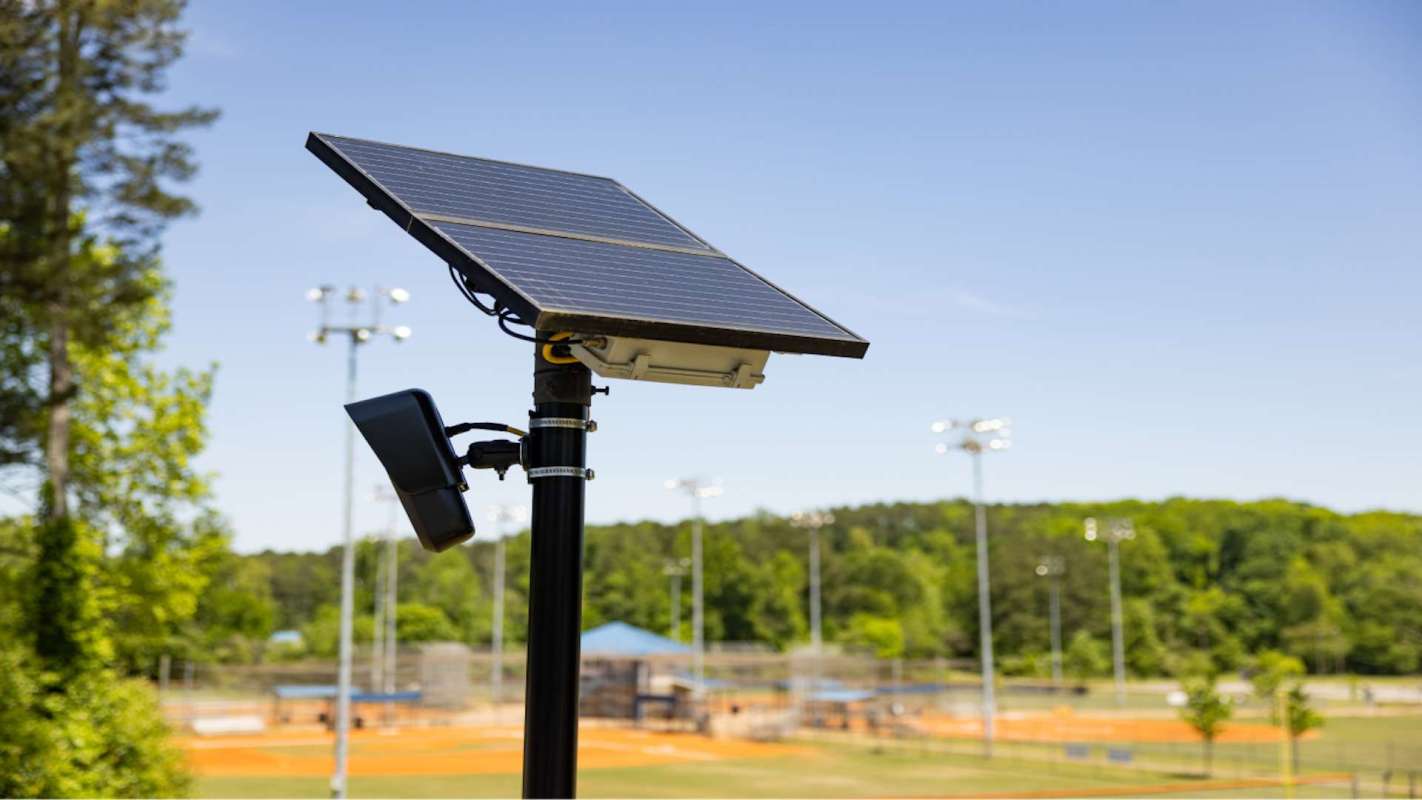
Across the country, mounting objections from cities and states are pushing Flock Safety to revise some of the privacy protections tied to its sprawling automated license plate reader system.
The move reflects how quickly public concerns about surveillance, police misuse, and wrongful stops are reshaping one of the most widely adopted policing technologies in the United States.
Here's what to know
As Stateline detailed, Flock's expanding reach has drawn increasing backlash. On Aug. 13, the company said it will recommend that police keep plate-reader data for seven days rather than 30, while also rolling out features that restrict data sharing, require case codes for searches, and identify suspicious account activity.
According to Stateline, Flock has more than 120,000 cameras operating across 49 states, with use by thousands of police agencies and communities. The devices capture license plates along with vehicle characteristics, location, and time, creating records investigators can search, including across jurisdictional boundaries.
Since the beginning of 2026, more than 50 agencies or communities have ended, delayed, rejected, or shut down Flock deployments, according to DeFlock, the grassroots group that tracks license plate reader rollouts, Stateline reported.
One of the most significant changes is a new "Evidence Mode," which would allow detectives to preserve specific plate-reader data for active cases even as the broader retention window shrinks.
TCD Picks » Quince Spotlight
💡These best-sellers from Quince deliver affordable, sustainable luxury for all




More background
Even drivers who are not accused of any crime can be swept into plate-reader databases. Civil liberties advocates say that while the systems may help investigators, they also can assemble detailed histories of where people go, the patterns of their daily lives, and whom they associate with.
In August, The Washington Post reported that nearly 50 officers faced charges or accusations over unauthorized Flock use, including tracking romantic partners or relatives. In Savannah, Ga., an investigation into searches involving acquaintances and family members led to the firing of four police officers and two civilian employees.
Accuracy has also been an issue. In Wisconsin, Amber Newell was pulled over at gunpoint after a Flock alert incorrectly linked her vehicle to a homicide investigation. Authorities later said an outdated wanted-vehicle alert had not been removed from the system.
What's being done?
Flock is presenting the new measures as a way to put more decision-making in local hands. Through its "offense filtering" feature, an agency could choose which outside departments are allowed to search its cameras and limit those searches to certain crime categories, including potentially cutting off immigration-related uses or other specified purposes.
By the end of 2026, every law enforcement customer will be required to use the audit-assistance feature. The tool reviews search activity for unusual patterns, and Flock said some users will be automatically suspended if their behavior appears abnormal.
Lawmakers are stepping in as well. A bipartisan group of Pennsylvania legislators announced plans on Aug. 10 to introduce statewide rules covering access, audit trails, retention, transparency, and civil penalties for misuse. Elsewhere, Democratic lawmakers in Michigan and West Virginia have also raised concerns, while congressional Republicans have backed proposals to curb automated surveillance technology.
The debate is likely to intensify as more states consider restrictions and more communities reconsider whether the systems are worth the risks.
Democratic state Rep. Jennifer O'Mara said, "Technology that can help keep our communities safe should never become a tool for stalking or abuse."

Get TCD's free newsletters for easy tips, smart advice, and a chance to earn $5,000 toward home upgrades. To see more stories like this one, change your Google preferences here.






