


When the power stays out after a major storm, the danger does not end when the rain passes.
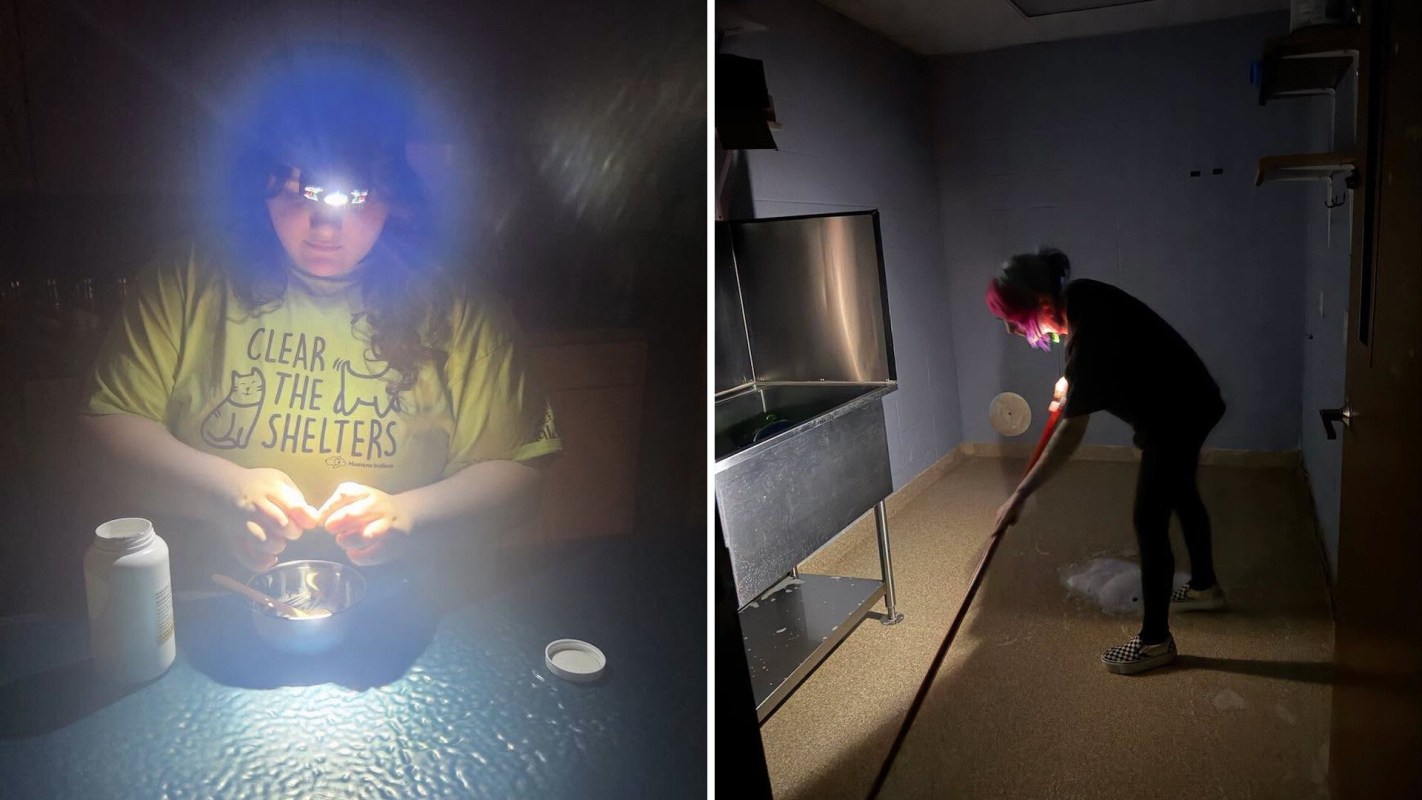
In Northwest Indiana, animal shelters were forced into survival mode, caring for frightened pets by flashlight as outages lasted for days.
Here's what to know
As the Chicago Tribune reported, humans weren't the only ones stressed by storms that caused flooding and outages across Northwest Indiana. Animal shelters around the area were without electricity, air conditioning, and phones for days following the storms.
"The staff are doing their best to care (for the animals) every day," said Jessica Greer, senior director at Humane Indiana in Munster. "They're using flashlights on their phones, and they're bringing flashlights from home. We're medicating as best as we can in the dark."
Without electricity, shelters lose systems they rely on for lighting, climate control, cleaning, communication, and routine care. Staff still have to protect animals' safety, health, and sense of calm, even as the conditions around them grow more difficult.
Severe weather can intensify the pressure on dogs and cats that are already trying to adjust to unfamiliar shelter surroundings. Darkness, heat, loud storms, disrupted feeding routines, and the stress people are feeling can all make that experience harder.
TCD Picks » Quince Spotlight
💡These best-sellers from Quince deliver affordable, sustainable luxury for all




The impact of an outage reaches beyond homes and businesses. Shelters, rescues, and veterinary providers also play a role in emergency response, so when those services are disrupted, the consequences can spread through the wider community.
More background
Prolonged power outages are among the most disruptive consequences of severe weather. They can pose immediate risks to both people and animals, especially when temperatures climb, transportation is disrupted, or communication systems are limited.
Worsening extreme weather disasters threaten lives and livelihoods by knocking out electricity, damaging buildings, blocking roads, and cutting off access to food, medicine, and emergency care.
Shelters may be forced to keep operating with fewer resources even when the demand for help stays high. A loss of power can interfere with sanitation, intake, overnight monitoring, and attempts to ease the stress of animals that may already be overwhelmed.
What can be done?
Communities can support local shelters with the essentials they often need most during outages: batteries, flashlights, bottled water, towels, cleaning supplies, pet food, crates, and financial donations that allow staff to respond quickly.
Backup generators, emergency fuel plans, cooling systems, and clear disaster protocols can make a major difference for shelters dealing with repeated storms or extended blackouts.
Pet owners can also reduce their own risk by preparing a simple emergency kit for animals that includes food, water, medications, vaccination records, leashes, carriers, and comfort items. Knowing where to go during an outage or evacuation can save valuable time.
Recovery after a storm is often discussed in terms of damaged roads, downed power lines, and property damage. Less visible is how much harder, more exhausting, and more urgent animal care becomes when that infrastructure breaks down, especially for animals with nowhere else to go.

Get TCD's free newsletters for easy tips, smart advice, and a chance to earn $5,000 toward home upgrades. To see more stories like this one, change your Google preferences here.






