


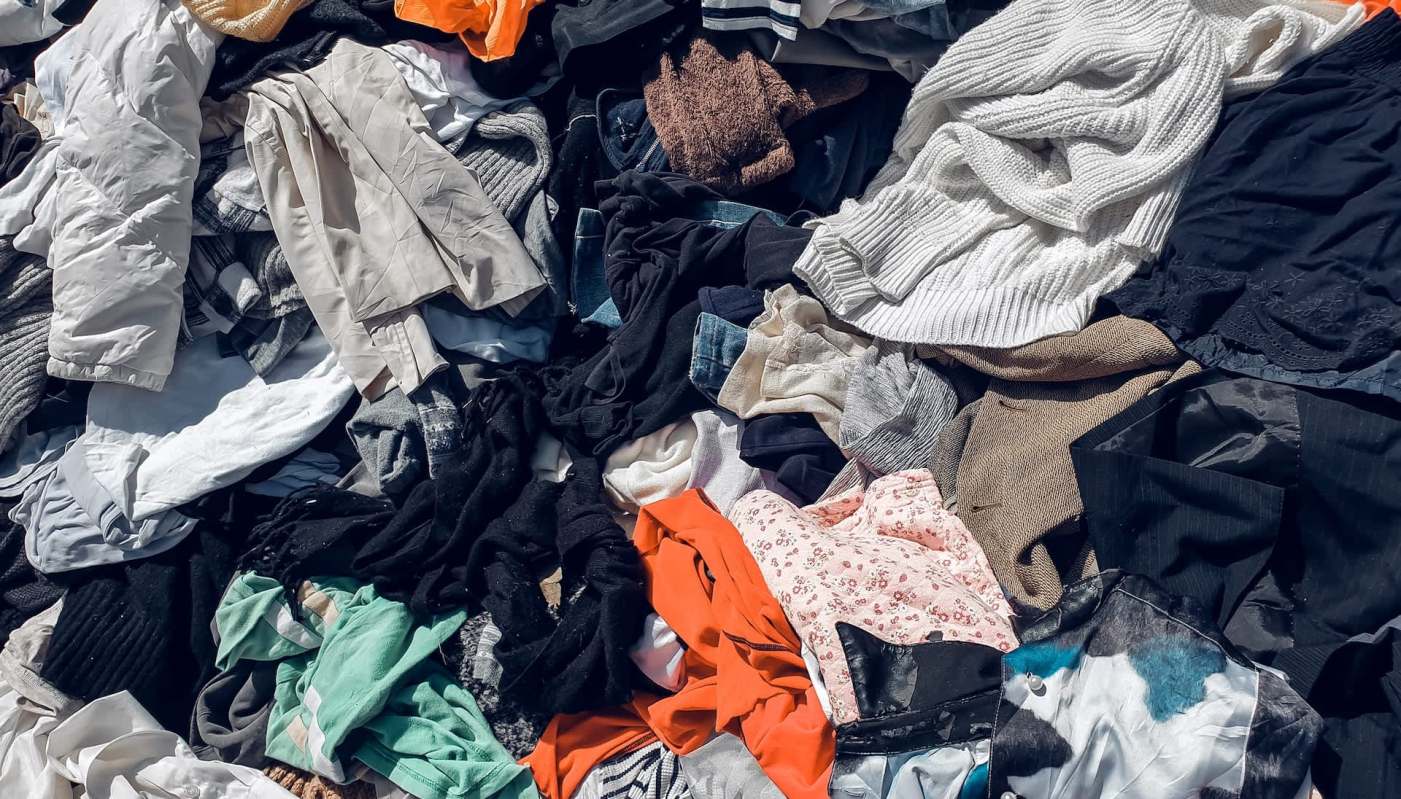
The European Union is cracking down on the fashion industry. Under new rules, companies can no longer destroy most unsold garments, forcing major retailers to rethink how they handle excess inventory.
Here's what to know
Retailers in the EU are now broadly barred from destroying unsold new clothing. Instead, they are expected to use routes such as resale or donation, and they are required to publish the amount of unsold inventory they hold on their websites.
Only limited exceptions remain, including cases where garments are damaged or unsafe. The ban sits within the EU's wider 2024 rules for the clothes industry, which are meant to make apparel more durable, reusable, and recyclable. Large retailers are covered first, and medium-sized retailers will follow in 2030.
In an article for The Conversation, Alice Payne, professor and dean of the School of Fashion and Textiles at RMIT University, and Yassie Samie, a postdoctoral researcher in fashion and textiles at RMIT University, said the scale of the issue is substantial.
One review of European studies found that roughly 21% of clothing brought to market goes unsold, while EU estimates suggest 4% to 9% of brand new garments are destroyed.
Why is this significant?
The term "unsold stock" covers both overproduced garments that never find a buyer and clothing returned after purchase.
TCD Picks » Quince Spotlight
💡These best-sellers from Quince deliver affordable, sustainable luxury for all




In some apparel categories, return rates may fall anywhere between 10% and 60%. Online retail has expanded the problem, partly because shoppers often order several sizes of the same item and send some back — a habit known as bracketing.
Fast fashion has also worsened the surplus issue by accelerating trend turnover and continually pushing fresh styles into the market.
The scale of that output is jaw-dropping.
H&M released 4,400 new styles in 2022 and Zara released 6,850. Greenpeace said Shein could introduce up to 10,000 designs on its busiest days. The issue is not solely limited to fast fashion, either. Burberry destroyed $123 million in goods over a five-year period.
Every unsold item represents fabric, energy, shipping, and labor used without serving any practical purpose. Payne and Samie argued that Australia could learn from the EU model, especially because the country still lacks reliable national estimates for unsold clothing.
What's being done?
The EU ban is a policy effort to impose accountability across the fashion supply chain. By requiring disclosure alongside limits on destruction, the rules could push brands to improve forecasting, reduce overproduction, and expand resale and donation options.
Australia already has some local examples. Thread Together works with 2,000 Australian brands to redirect unsold clothing to people who need it instead of sending those items to landfills which are responsible for releasing highly toxic gases that are warming the planet.
The circular fashion initiative Seamless has also proposed practical steps such as agreeing on a common definition of unsold stock, identifying where and why it builds up from planning through post-season stages, and giving businesses tools to calculate its real cost.
Evidence indicates that constant churn is not the only path to success. An Insider Trends report pointed to Uniqlo, which raised profits 70% over seven years while limiting itself to two collections per year and keeping roughly half its range from the prior season.
As Payne and Samie wrote, "In today's fashion system, surplus is a feature, not a bug." They added, "The EU laws are a step towards holding brands accountable for the resources they use and waste."

Get TCD's free newsletters for easy tips, smart advice, and a chance to earn $5,000 toward home upgrades. To see more stories like this one, change your Google preferences here.






