


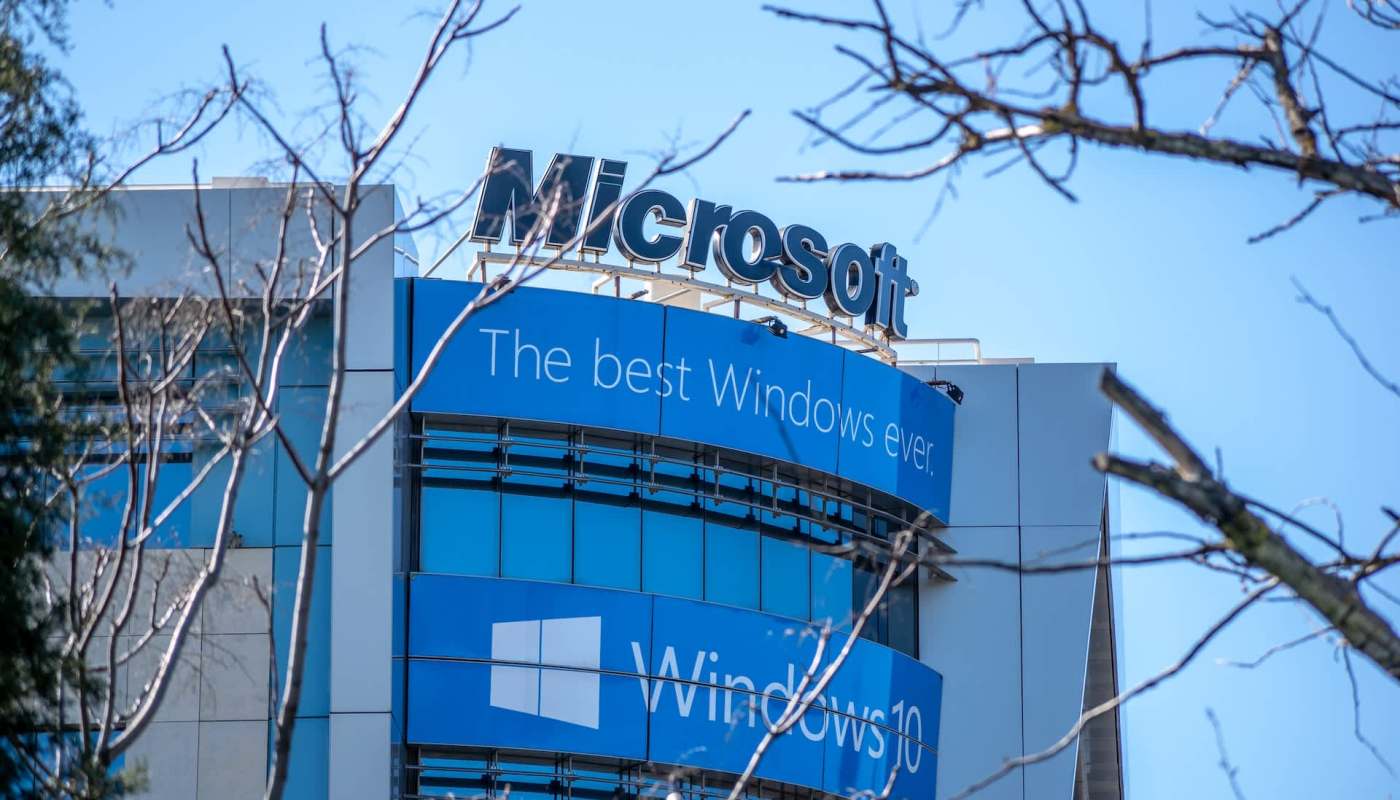
Perfectly functional computers could soon be pushed toward the scrap heap — not because they stopped working but because Microsoft ended standard support for Windows 10 in 2025 and many old machines do not meet the requirements for Windows 11.
For many households, that could make a dependable everyday PC seem old and outdated, not to mention less secure. Environmentally, it raises the prospect of a significant increase in avoidable electronic waste.
Here's what to know
On Oct. 14, Microsoft stopped standard support for Windows 10. As a result, hundreds of millions of old PCs are no longer set to receive routine security updates unless their owners qualify for, or pay for, extended support. As SlashGear reported, advocacy group PIRG estimates that around 400 million PCs are affected.
These computers have not suddenly become unusable. Many can still manage common daily tasks just fine. The obstacle is Windows 11 eligibility. Microsoft's official requirements include TPM 2.0, UEFI Secure Boot, and newer processors, which shut many older systems out of the upgrade path.
PIRG's Electronic Waste Graveyard report says that if those machines are discarded, they would add up to 1.6 billion pounds of e-waste. That could amplify a significant problem, as e-waste has been increasing for years and already ranks as a major solid waste stream.
For consumers, the shift can feel especially unfair. People who took care of their computers and assumed they had years of life left may be pushed toward spending more money, changing operating systems, or replacing hardware.
TCD Picks » Quince Spotlight
💡These best-sellers from Quince deliver affordable, sustainable luxury for all




More background
Microsoft says the tougher hardware standards are meant to improve security and performance. Unsupported devices are typically more exposed to cyber threats, and old components may not provide the same experience as newer systems.
Critics, however, say that leaves many families facing a hard choice: Keep using a less secure computer, try unofficial fixes, or replace a machine that still does its job. That pressure can be particularly difficult for people who depend on their PCs for school, work, budgeting, communication, and other everyday tasks.
Many unsupported PCs will avoid landfills. Some users will continue running Windows 10 despite the risks, others may attempt unofficial Windows 11 installations, and some may choose to recycle or repurpose their machines. Old systems often remain in use for years — as SlashGear noted, there are still computers running Windows XP and Windows 7.
When a company as influential as Microsoft changes support rules for such a widely used product, the consequences can impact cybersecurity, household budgets, and waste levels and add pressure to buy more electronics.
What can be done?
For people still using Windows 10, Microsoft's Extended Security Updates program is the most immediate option. It runs through Oct. 12, 2027, with free access for eligible users and a $30 paid option for others who want continued protection.
Some users may also look into switching to Windows 10 IoT Enterprise LTSC, which will be supported until January 2032. That will not be the right solution for everyone, but it could help extend the life of certain machines.
Another option is to move to a different operating system. SlashGear reported that Linux has become much more user-friendly over the years, and some versions are designed to feel familiar to Windows users. Google is promoting ChromeOS Flex for old computers, though compatibility depends on the device.
Microsoft says its requirements are intended to improve "performance, security, compatibility, and reliability," SlashGear stated. But for millions of people with a computer that still works, those promised benefits may be outweighed by the cost — both to their wallets and to the growing waste stream.

Get TCD's free newsletters for easy tips, smart advice, and a chance to earn $5,000 toward home upgrades. To see more stories like this one, change your Google preferences here.







