


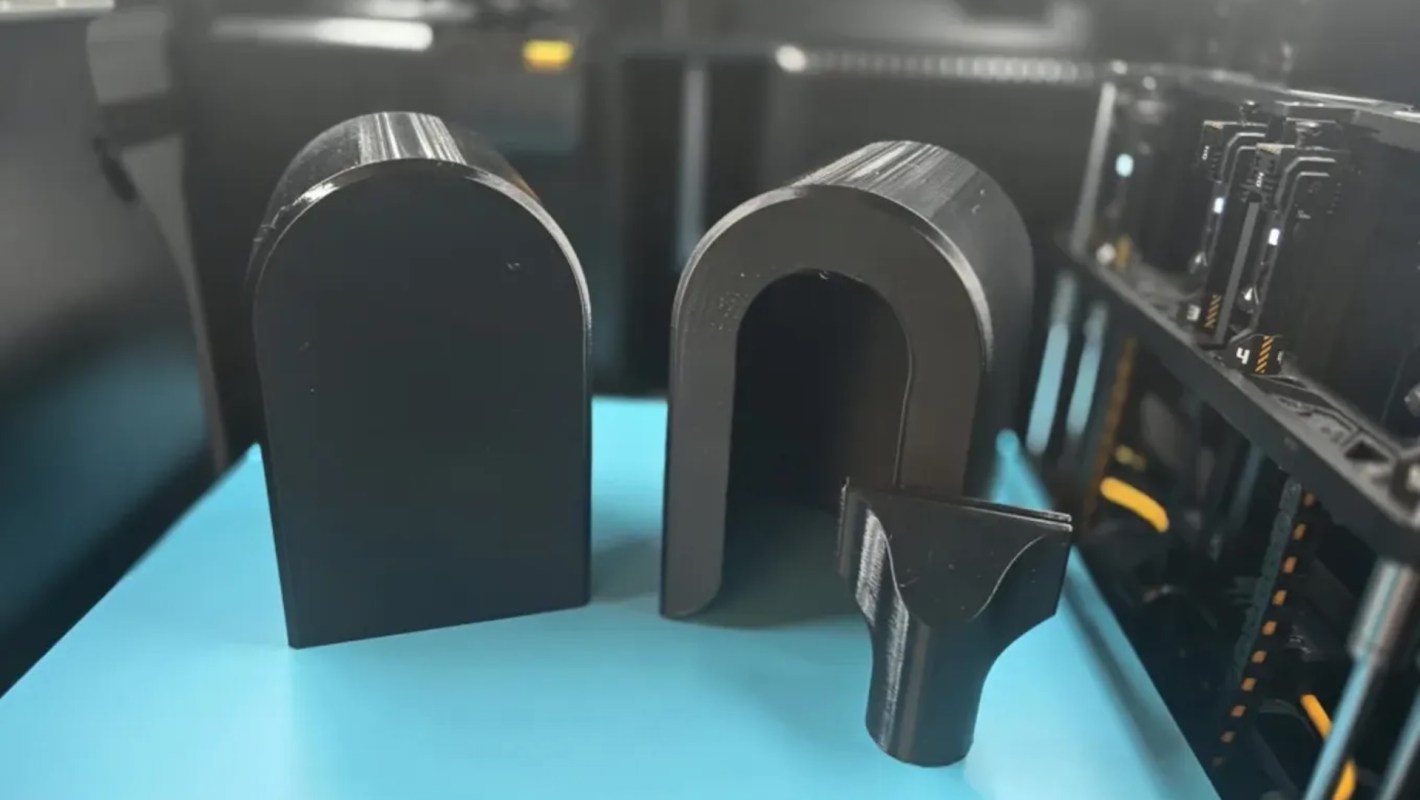
A 3D-printed cover nicknamed the "Flock Sock" is gaining traction as frustration builds over the spread of automated license plate reader cameras across the United States.
The device underscores the debate over privacy, public trust, and how much surveillance communities should be expected to tolerate.
The scoop
According to Newsweek, Flock Safety, based in Georgia, has rapidly built out its automated plate-reader network, which the company says spans more than 120,000 cameras nationwide. The Flock Sock is a removable cover made to fit over those cameras.
Supporters argue the cameras give police a way to flag vehicles tied to crimes, stolen car reports, and missing persons investigations. As vehicles pass, the system captures images and logs information including plate number, make, model, color, and other identifying features.
For those opposed, the tools amount to a large-scale vehicle-tracking system. They point to privacy and civil liberties risks along with concerns about data misuse and mistaken identifications, worries that have driven resistance online and in local communities.
A 3D-printing enthusiast known as SquidInk created the Flock Sock and uploaded the device to MakerWorld, describing it as "100% non-permanent."
TCD Picks » Quince Spotlight
💡These best-sellers from Quince deliver affordable, sustainable luxury for all




On Reddit, one commenter predicted a crackdown, writing, "Here comes a camera redesign and new laws to jail people who cover cameras in 3…2…1."
Why is this important?
The dispute reflects a broader conflict between public security and privacy.
In Houston, two Flock cameras were attacked July 4, their poles cut and both the cameras and solar panels coated in white paint. In Monterey County, California, authorities arrested a 40-year-old man they accused of intentionally driving over at least three Flock cameras, Newsweek noted.
The Flock Sock is being framed as a tool to neutralize public equipment without destroying it. Tom's Hardware reported that the design was conceived as an alternative to spray paint, foam, and other tactics, the magazine said.
Broken hardware can create waste and drive up replacement costs, while surveillance can erode trust and make people feel like Big Brother is in their neighborhoods.
What can be done?
Legal experts have warned that even deploying a removable cover could still carry consequences depending on local law and how authorities interpret the act. Possible charges could include obstruction, tampering, criminal mischief, and vandalism.
Questions and concerns center on where cameras are installed, how long data is stored, who can access it, and what safeguards exist to prevent abuse.
Public hearings, data retention limits, independent audits, and clearer rules around when license plate reader data can be shared are guardrails that can help communities protect both safety and civil liberties.

Get TCD's free newsletters for easy tips, smart advice, and a chance to earn $5,000 toward home upgrades. To see more stories like this one, change your Google preferences here.






