


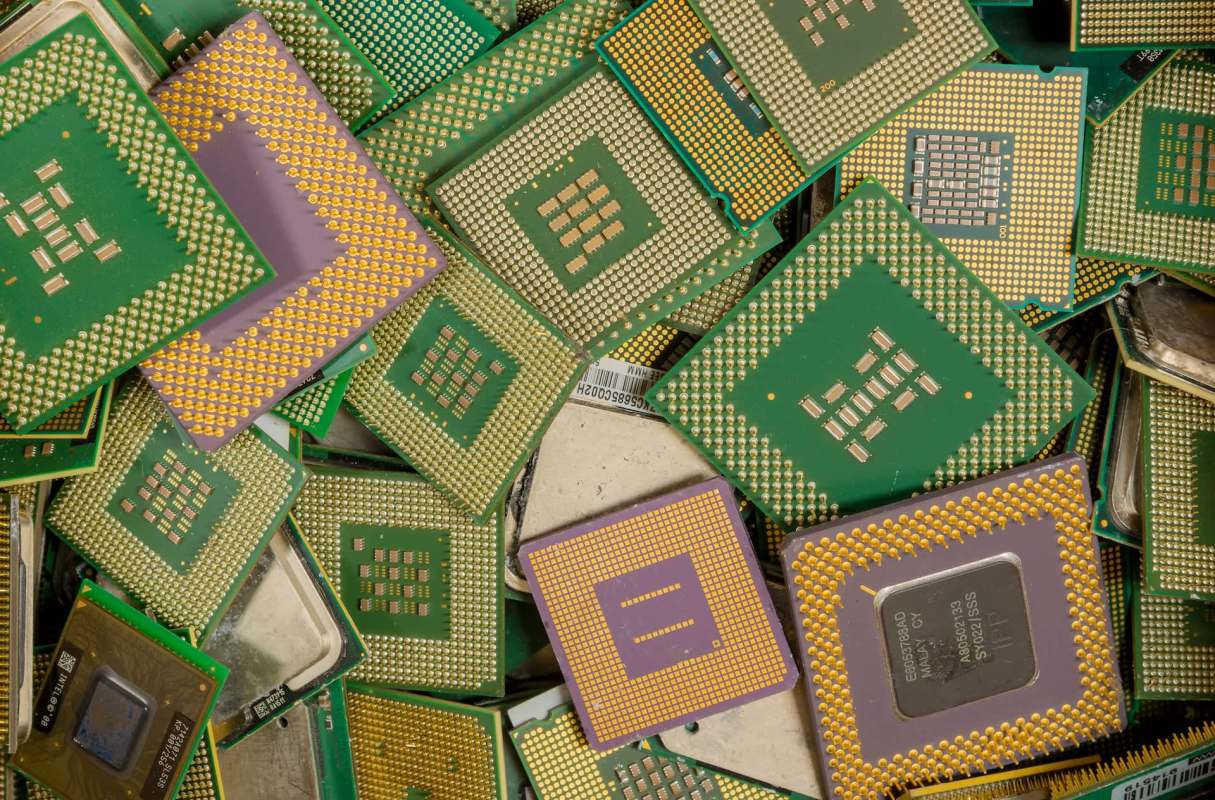
Old electronics, such as phones and laptops, can contain recoverable gold, but extracting it usually requires aggressive chemicals. Now, researchers in Illinois say they have a different option: an electrically powered method that uses a specially made molecule to draw gold from e-waste.
Here's what to know
According to new research published in ACS Energy Letters and shared by Tech Xplore, scientists from the University of Illinois Urbana-Champaign have developed a charged molecule that can help extract gold while reducing the amount of conventional chemical reagents typically required.
Chemical and biomolecular engineering professor Xiao Su led the work.
The new result follows a 2024 advance from Su's lab called e-LLE, short for continuous electrochemically mediated liquid-liquid extraction. In simple terms, that technique uses electricity to move and separate metals, suggesting recovery systems that could be more precise and potentially easier to operate.
Old devices hold metals with real value, but extracting them is often hard and expensive.
Using electricity in place of much of the usual chemistry could make the process cleaner, more straightforward, and more energy-efficient. It may also benefit smaller recycling operations, because if costs and chemical demands fall, gold recovery from outdated devices could become practical in more places rather than remaining limited to specialized facilities.
TCD Picks » Quince Spotlight
💡These best-sellers from Quince deliver affordable, sustainable luxury for all




More background
Traditional metal recovery can be messy.
Recovering gold and other materials from electronic waste, mining streams, or industrial waste usually depends on strong chemical reagents. That reliance can raise costs, increase handling risks for workers, and leave communities to deal with added pollution.
A process that relies more on electricity than on chemical baths could reduce those burdens.
Gold is valuable, but recovery only makes sense if the process is efficient enough. A simpler, lower-chemical system could improve the economics of recycling, helping keep useful materials in circulation and potentially lowering the cost of reclaiming resources that would otherwise be lost.
What's being done?
The Illinois team is advancing a broader idea: designing recovery systems that use electrochemistry to selectively capture metals.
Valuable metals are also found in mining streams and industrial waste, suggesting the same general strategy may have wider applications wherever metal recovery is difficult or resource-intensive.
Cleaner recovery methods are most useful when old devices actually enter reuse and recycling streams rather than sitting in drawers or ending up in the trash.
If this kind of research continues to pay off, it could help create a future in which recycling electronics is not only better for the planet, but also safer for workers and more affordable for the companies doing the recovery.

Get TCD's free newsletters for easy tips, smart advice, and a chance to earn $5,000 toward home upgrades. To see more stories like this one, change your Google preferences here.






