


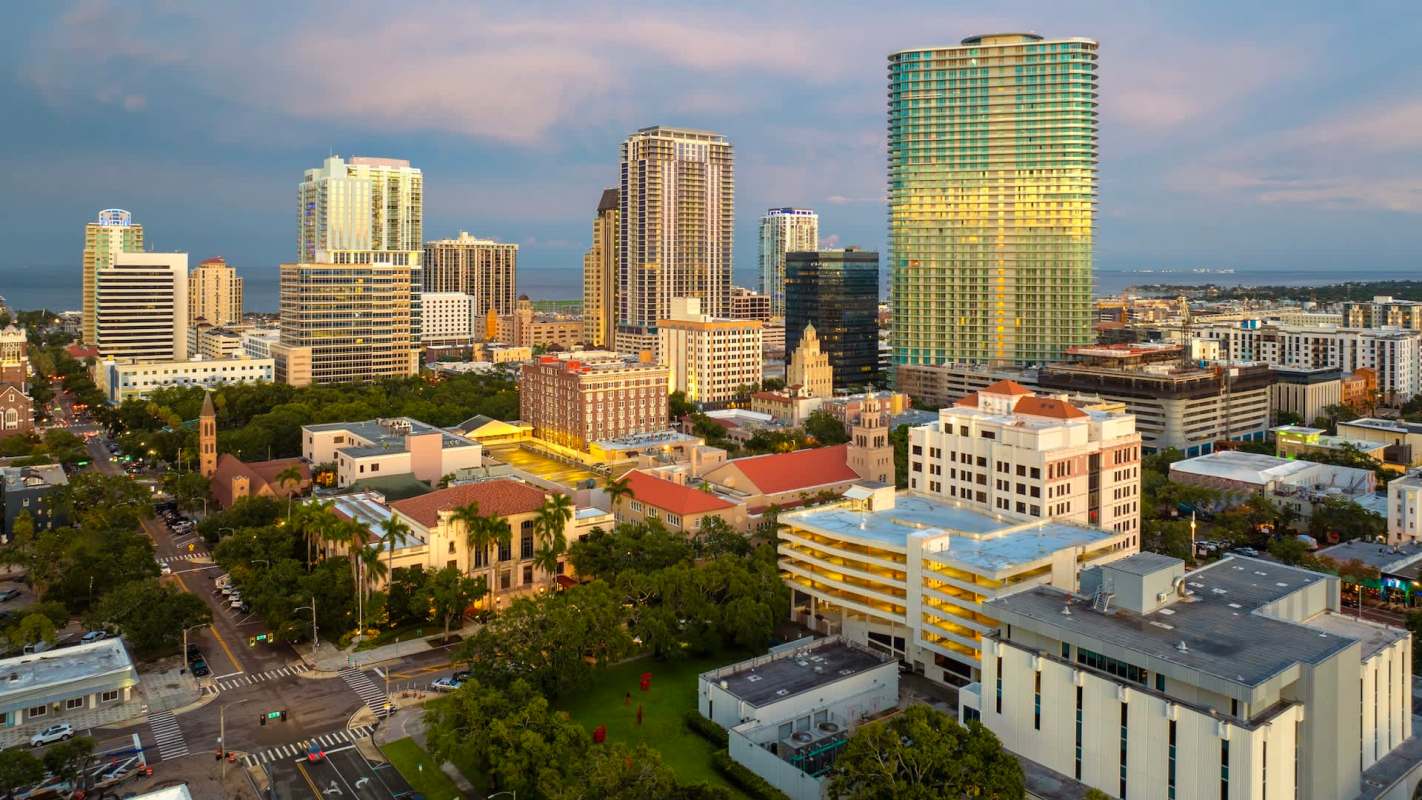
A new jump in utility costs may be on the way for St. Petersburg, Florida, households, with officials weighing what would be the city's sixth annual increase in a row for core services.
What began as a rate issue has turned into a fight over financing old pipes and other public systems, with debate centered on whether residents, property owners, or developers should carry more of the cost.
Here's what to know
According to the St. Pete Catalyst, the City Council moved forward with a package of rate increases covering water, wastewater, reclaimed water, sanitation, and stormwater. For a typical single-family household, the combined change would add about 7% to a bill, or around $8 to $10 a month.
Council members are set to revisit the plan at a public hearing Thursday, when a final vote is expected. If it passes, the updated rates would take effect Oct. 1.
City administration says old utility systems need to be replaced, scheduled projects need money, and acting now can prevent costlier emergency work later. Even so, any increase in essential monthly bills can add strain for households already juggling tight budgets.
Councilmember Corey Givens voted against moving ahead with the stormwater and sanitation portions of the proposal, arguing that the city should first look for outside funding instead of asking residents to pay more, the Catalyst noted.
TCD Picks » Quince Spotlight
💡These best-sellers from Quince deliver affordable, sustainable luxury for all




More background
Utility bills are among the most unavoidable household expenses, which means repeated increases can weigh on renters, homeowners, and especially low-income residents. In a city already grappling with affordability concerns, another rise in the cost of basic services could make it harder for families to keep up with housing, food, transportation, and other daily needs.
When infrastructure improvements are funded primarily through utility charges, the burden falls most directly on the people who rely on those systems every day, including residents who do not own property and often have little financial flexibility.
At the same time, a city's water and wastewater systems require ongoing maintenance, and delaying upgrades can lead to public health, environmental, and financial consequences. Failing pipes, strained sewer systems, and stormwater weaknesses can all become far more costly when cities wait too long to address them.
What's being done?
Some council members want developers to cover a larger share. Vice Chair Richie Floyd supported increasing the city's "water closet fee" — a charge tied to added toilets in new residential units and new or renovated commercial properties — with the proceeds reserved for sewer expansion and improvement projects.
The fee stands at $1,000 for each water closet, and the proposal would raise it. "I think a lot of people in this city want to see us put more burden on development," Floyd said, per the Catalyst.
Givens also said developers should pay more, though he questioned whether that could cover the city's needs in a market with limited land left to build on. Councilmember Mike Harting, meanwhile, warned that higher development costs could still be passed along to renters.
Floyd also floated another idea: Reduce the share of utility revenue transferred to the city's general fund through payment in lieu of taxes, or PILOT, and make up the difference by holding the millage rate steady instead of letting it decline as property values rise. That idea is not part of the vote, but it shows the broader push to distribute infrastructure costs more widely and, potentially, more fairly.
"People are already burdened financially, and I don't think it's fair for ratepayers to strain their resources," Givens said.

Get TCD's free newsletters for easy tips, smart advice, and a chance to earn $5,000 toward home upgrades. To see more stories like this one, change your Google preferences here.







