


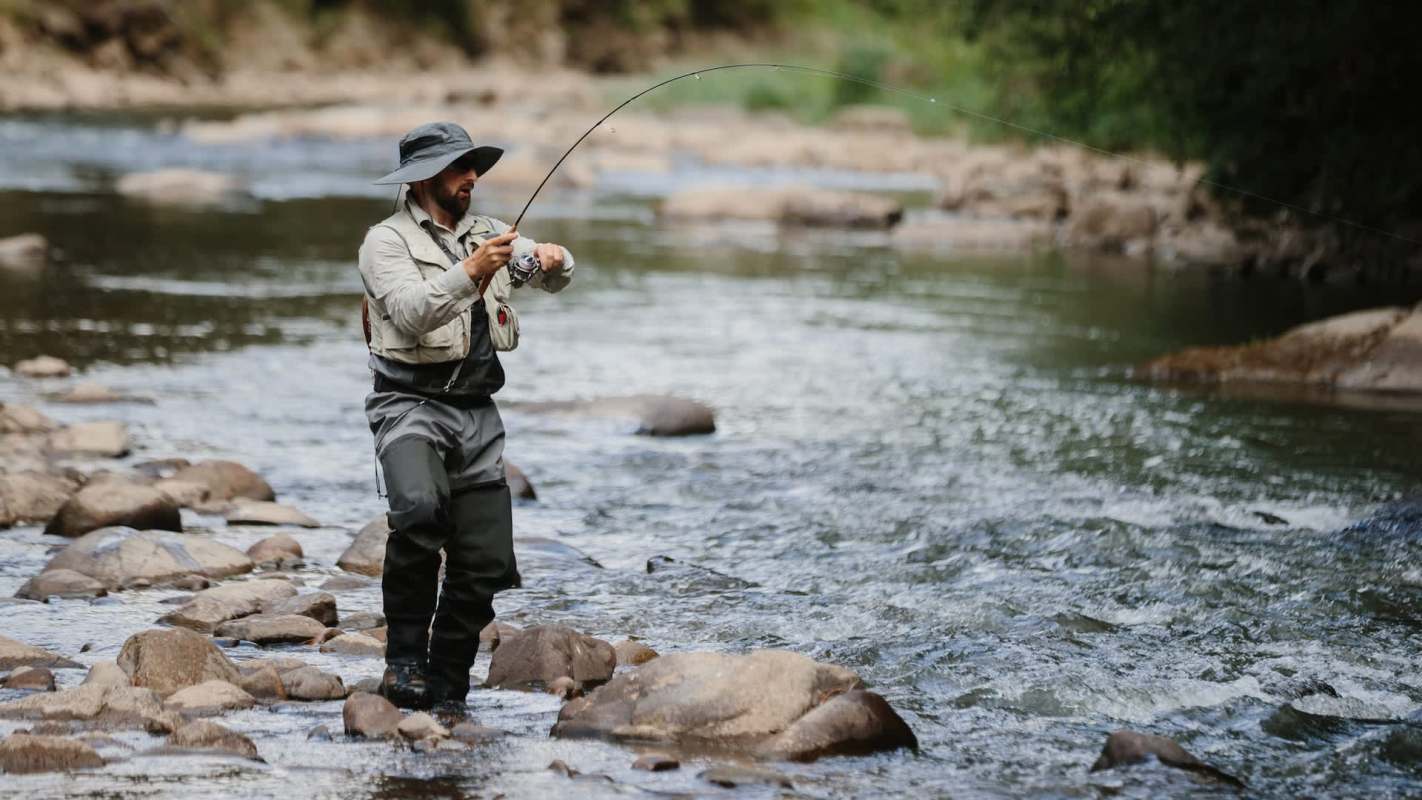
The Department of the Interior finalized a major expansion of hunting and fishing access on public land across 32 states.
The move could boost outdoor recreation but raises questions about whether those lands have the staffing and resources needed to remain healthy and safe.
Here's what to know
As Outdoor Life detailed, the expansion adds 1,488 hunting and fishing opportunities at 111 national wildlife refuges and fish hatcheries.
The 107 refuges and four fish hatcheries cover 92 million acres, or about 95% of the National Wildlife Refuge System's lands. The department said no such previous expansion had covered as many properties or as much acreage and that it was expected to be finalized in time for hunting season.
Outdoor Life reported that the totals matched those of a draft proposal, though it was unclear whether any properties or huntable species had been changed.
The change created first-ever hunting or fishing opportunities at 14 refuges and three hatcheries. Outdoor Life highlighted Grass Lake National Wildlife Refuge in central Montana, a 4,300-acre area of wetlands and prairie that had long been closed to hunting because it serves as a key waterfowl migration stopover.
TCD Picks » Quince Spotlight
💡These best-sellers from Quince deliver affordable, sustainable luxury for all




"This expansion will provide incredible opportunities for sportsmen and women and their families across the country to pass on a fishing and hunting heritage to future generations and connect with wildlife," U.S. Fish and Wildlife Service Director Brian Nesvik said.
More background
Opening refuges to hunting and fishing is a familiar step under modern presidential administrations, Outdoor Life said, but this action is notable for how broad it is.
The Department of the Interior stated that it includes "more than 1,000 modifications to existing regulatory provisions," which are intended to simplify rules and make them easier for hunters and anglers to follow.
Increased access is only part of the public lands picture. Wildlife refuges are not just recreation areas but also meant to protect habitat, migration corridors, and biodiversity.
What's being done?
The Department of the Interior said the initiative aligns with orders from Secretary Doug Burgum to "expand access to public lands and reduce unnecessary regulatory burdens" as well as "remove barriers to hunting and fishing access and better align federal regulations with state wildlife management frameworks." Supporters, including Safari Club International, praised the expansion when it was proposed in May, Outdoor Life noted.
At the same time, some conservation advocates have said that greater access needs to be paired with greater investment. Backcountry Hunters and Anglers warned in May that staff reductions and funding cuts could make responsible expansion difficult.
Refuge managers, biologists, maintenance workers, firefighters, and law enforcement officers all play a role in keeping these places safe and functional. Without enough staff on the ground, visitors could experience worsening habitat conditions, less dependable access, and weaker stewardship of areas many communities rely on for recreation and tourism.

Get TCD's free newsletters for easy tips, smart advice, and a chance to earn $5,000 toward home upgrades. To see more stories like this one, change your Google preferences here.







