


After Hurricane Helene left more than 700,000 Duke Energy customers in North Carolina without electricity, rising power bills are sharpening a question for many households: how would they handle the next major outage?
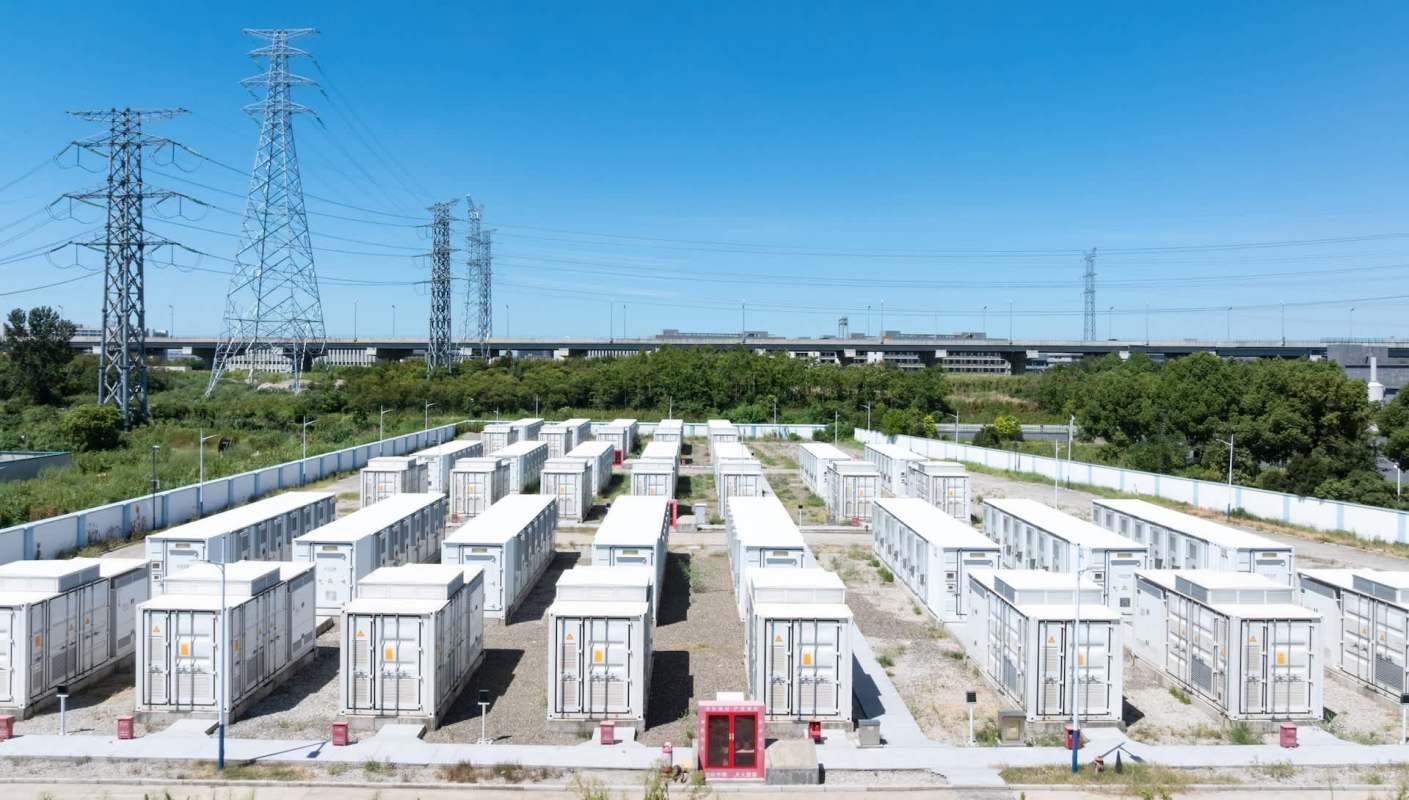
In parts of North Carolina not served by Duke Energy, member-owned electric cooperatives are adding batteries that can store power for disruptions, shift usage to cheaper time periods, and reduce the impact of blackouts on customers.
Here's what to know
Battery storage is expanding quickly among North Carolina's 26 electric distribution cooperatives, which serve about 2.8 million people in rural areas and smaller communities, according to Cardinal & Pine.
Those co-ops have 43 battery projects underway or already operating, a higher total than co-ops in any other state, per the National Rural Electric Cooperative Association.
Wake Electric, which serves nearly 60,000 homes and businesses, has assigned three batteries to separate roles: one stores solar power for nighttime use, another releases electricity when grid power is scarce and costly, and a third is paired with a small housing development that helped avoid power interruptions during a 2022 storm.
For customers, that can translate into lower expenses when demand peaks, even as stronger storms and power-hungry data centers place more pressure on the grid.
TCD Picks » Quince Spotlight
💡These best-sellers from Quince deliver affordable, sustainable luxury for all




More background
As North Carolina utilities confront the twin costs of weather-proofing infrastructure and supplying fast-growing demand from data centers, battery storage is looking more attractive.
Duke says data centers could account for about 10% of its electricity sales, and serving that demand would require billions of dollars in new gas plants, transmission lines, and substations.
That kind of expansion can ultimately affect what customers pay.
Co-ops, however, see a financial advantage in batteries, because they can charge them when electricity is cheaper and rely on that stored power during the costliest hours of the day.
North Carolina's Electric Cooperatives said that Tideland EMC and North Carolina Electric Membership Corp. built what the group described as the state's first co-op-operated microgrid on Ocracoke Island in 2017. After the island's lone transmission cable was accidentally cut in July 2017, Utility Dive reported that electricity stayed on for most of the island.
That kind of backup can be especially important in places that are more vulnerable to storms or geographic isolation, where a single damaged line can leave many people in the dark.
What's being done?
North Carolina Electric Membership Corp. launched a statewide battery aggregation effort in 2022 by linking 10 batteries installed at co-op substations.
Amadou Fall, chief operating officer of NCEMC, said the technology would help make service more reliable for members "now and in the years to come."
Supporters are also marketing the systems as a simple way to cut expenses. In comments to Canary Media, Rob Greskowiak, chief commercial officer of Lightshift Energy, said co-op battery projects have cut costs while improving reliability and resilience.
As Greskowiak put it, "It's really an economic story."

Get TCD's free newsletters for easy tips, smart advice, and a chance to earn $5,000 toward home upgrades. To see more stories like this one, change your Google preferences here.






