


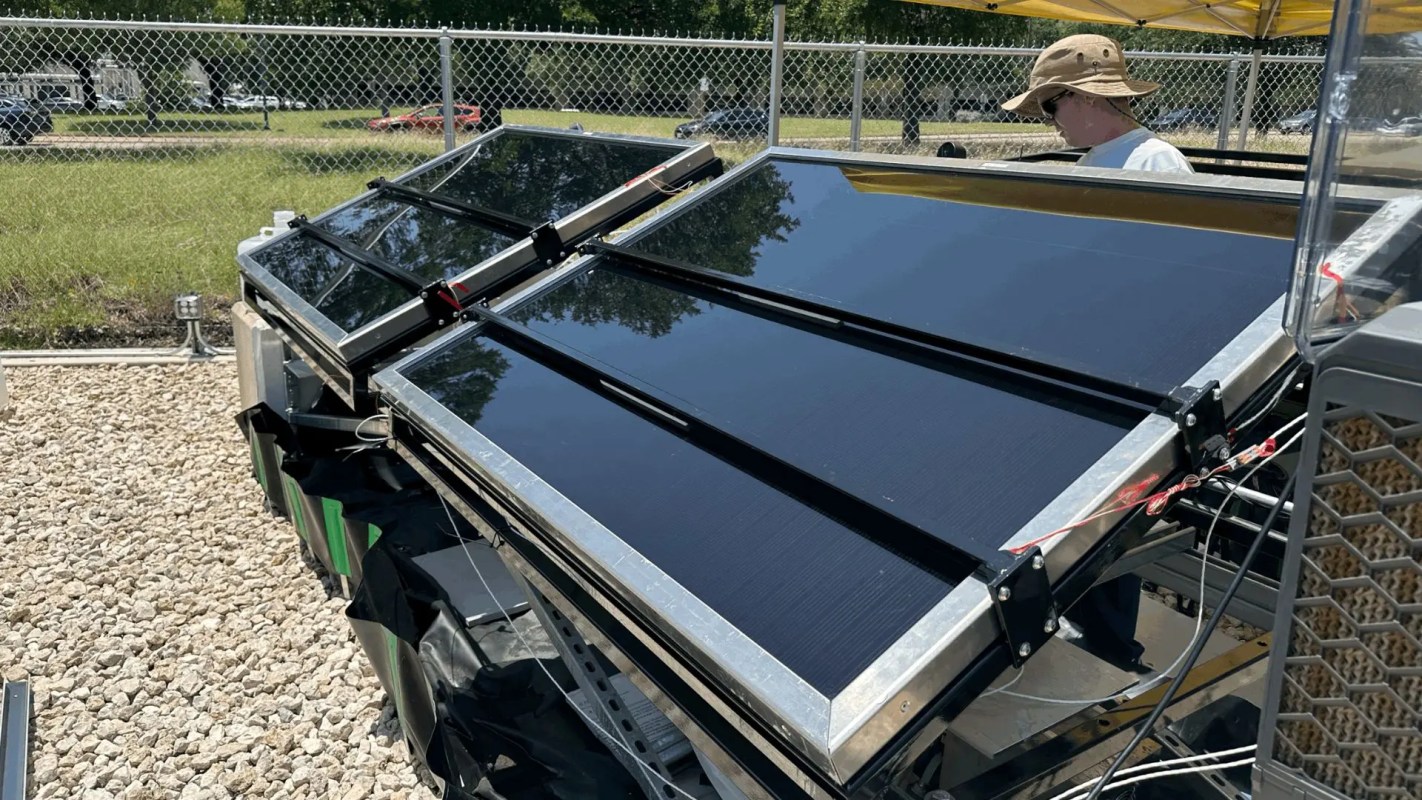
SunHydrogen says its solar-powered modules exceeded 10% solar-to-hydrogen efficiency in testing with Australia's Sparc Hydrogen, a milestone that could help move the technology toward larger pilot demonstrations and, eventually, lower-cost green hydrogen.
Here's what to know
According to Interesting Engineering, the two companies have signed a 24-month collaboration to determine whether SunHydrogen's hydrogen-making modules can operate within Sparc Hydrogen's concentrated-sunlight reactor system. They intend to raise light intensity in laboratory experiments and then take the work outdoors to the SHARP pilot facility in Roseworthy, South Australia.
The central metric here is solar-to-hydrogen, or STH, efficiency, which measures how much incoming solar energy is ultimately stored as hydrogen. Put simply, a 10% STH system stores hydrogen energy equal to about one-tenth of the sunlight that reaches it.
The U.S. National Renewable Energy Laboratory reported 16.2% STH for a photoelectrochemical setup in 2017, though it has also cautioned that solar-hydrogen results can vary from one lab to another unless testing methods are carefully standardized.
More background
Most green hydrogen today is produced through a two-step process: Renewable electricity is generated first, then used in an electrolyzer that separates water into hydrogen and oxygen. SunHydrogen is working toward a more direct approach by combining solar energy conversion with the water-splitting process inside the same device.
Sparc Hydrogen is also focused on direct solar hydrogen production, though via photocatalytic water splitting. Its system concentrates sunlight onto photocatalyst materials that trigger the reaction. The company was founded around research led by University of Adelaide chemist Professor Greg Metha, whose group demonstrated concentrated-sunlight hydrogen production in 2021.
TCD Picks » Quince Spotlight
💡These best-sellers from Quince deliver affordable, sustainable luxury for all




Direct solar hydrogen may eventually reduce equipment needs, land use, and electricity-conversion losses. If the technology proves durable and affordable at scale, it could help cities and companies produce cleaner fuel for heavy industry, shipping, fertilizer, and backup power while cutting the air pollution associated with non-renewable energy sources like gas, oil, and coal.
What's being done?
The next phase will examine whether SunHydrogen's modules can continue performing as sunlight is concentrated to higher levels. SunHydrogen said hydrogen output increased as light intensity rose, suggesting the modules may benefit from stronger solar flux rather than being pushed past a useful limit, according to Interesting Engineering.
The partners will also conduct a jointly funded techno-economic assessment to estimate the levelized cost of producing 2.2 pounds (a kilogram) of hydrogen.
Durability remains one of the biggest challenges. The U.S. National Renewable Energy Laboratory has noted that semiconductor materials in direct photoelectrochemical systems can break down in water-based electrolytes, making long operating lifetimes difficult to achieve.
If SunHydrogen and Sparc Hydrogen can show that their lab performance holds up outdoors and under concentrated sunlight, the technology could move closer to practical use.
If those milestones are reached, Sparc Hydrogen will also receive an 18-month option to negotiate either a long-term supply deal or a manufacturing license for SunHydrogen's modules.

Get TCD's free newsletters for easy tips, smart advice, and a chance to earn $5,000 toward home upgrades. To see more stories like this one, change your Google preferences here.






