


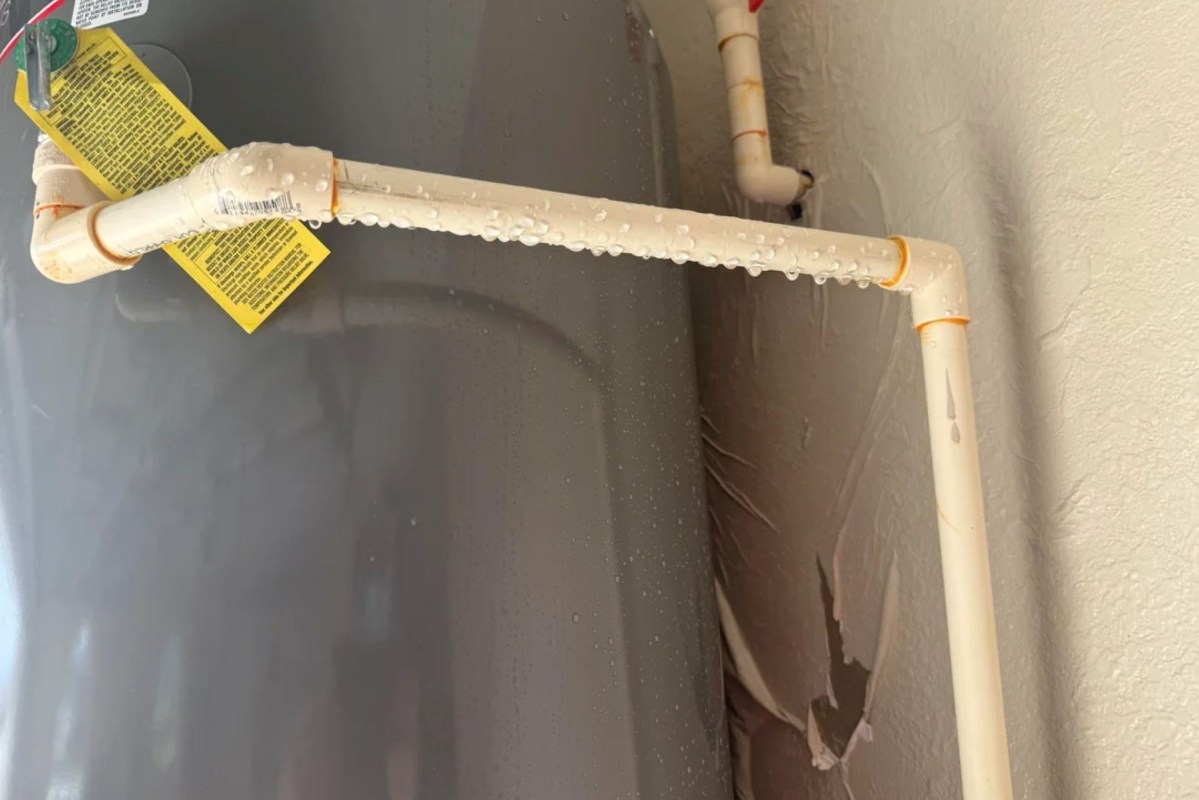
A routine water-heater replacement turned into a costly mess for one homeowner after an installer allegedly left part of the job unfinished, causing overnight flooding in the garage and damage inside the home.
The situation is a stark reminder that even relatively basic utility work can go wrong quickly — and when it does, getting the repair bill covered could save a homeowner money on drywall, paint, carpet drying, and mold-prevention costs.
Here's what to know
A homeowner described the incident in a post on Reddit, saying a water-heater replacement led to water damage because one connection was not properly secured.
The OP said, "They forgot to cement one of the connections so it was essentially a dry fit that came apart overnight."
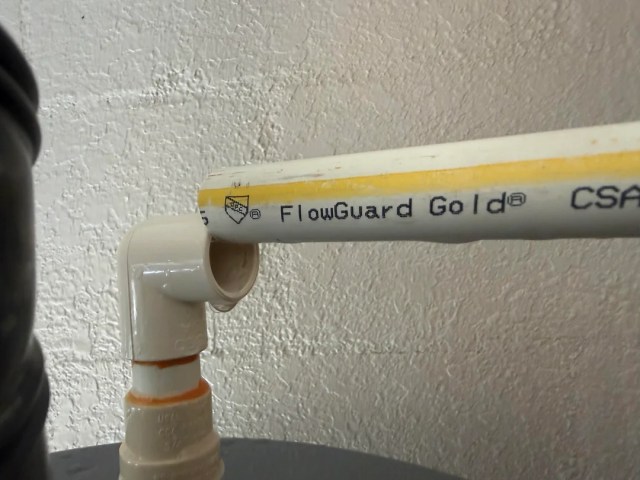
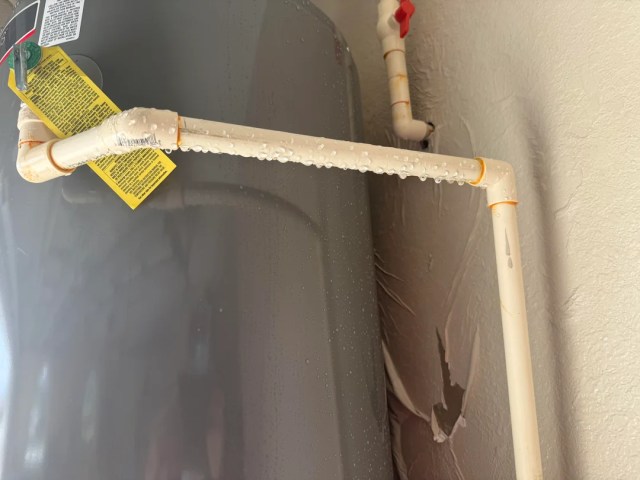
According to the homeowner, the company said it would handle the damage, promptly fixed the failed connection, and offered to replace the drywall in the affected area. By that point, though, "I woke up to a flooded garage and ruined drywall," the OP added.
The water damage also appears to have spread beyond the garage. In a bedroom on the other side of the wall, the homeowner found that "the carpet is also completely soaked." Once flooring and nearby wall materials get wet, what starts as a drywall repair can become a broader drying and restoration project.
TCD Picks » Quince Spotlight
💡These best-sellers from Quince deliver affordable, sustainable luxury for all




More background
If a contractor accepts responsibility, that could help a homeowner avoid out-of-pocket costs for demolition, drying equipment, replacement materials, repainting, and flooring cleanup. Depending on how far the water spread, those expenses can climb quickly.
The installer's offer to take care of the repairs also creates a dilemma many homeowners face after faulty work. Some may prefer an independent contractor to assess the damage, especially if they worry the company responsible for the leak could miss hidden moisture while focusing only on what is easy to see.
What can be done?
Documentation is one of the most important first steps. Photos, videos, evidence of moisture in adjoining rooms, and written records of every conversation can help establish the full scope of the damage and protect the homeowner if the repair process becomes disputed.
An independent inspection may also be worthwhile, even if the installer offers to fix everything. A second opinion could identify soaked padding, insulation, or drywall that should be removed rather than simply dried or painted over. That can be especially important when water has reached carpet and interior walls.
A written repair plan before approving any work should spell out who is paying, what materials will be replaced, whether repainting and carpet treatment are included, and what happens if additional damage is discovered later. If the installer's company is covering the repairs, getting the scope in writing could preserve significant savings.
In some cases, homeowners may also choose to notify their own insurer while making clear that the contractor may be liable. That can create a paper trail and help prevent the homeowner from being stuck with unexpected costs if the cleanup expands.

Get TCD's free newsletters for easy tips, smart advice, and a chance to earn $5,000 toward home upgrades. To see more stories like this one, change your Google preferences here.






