


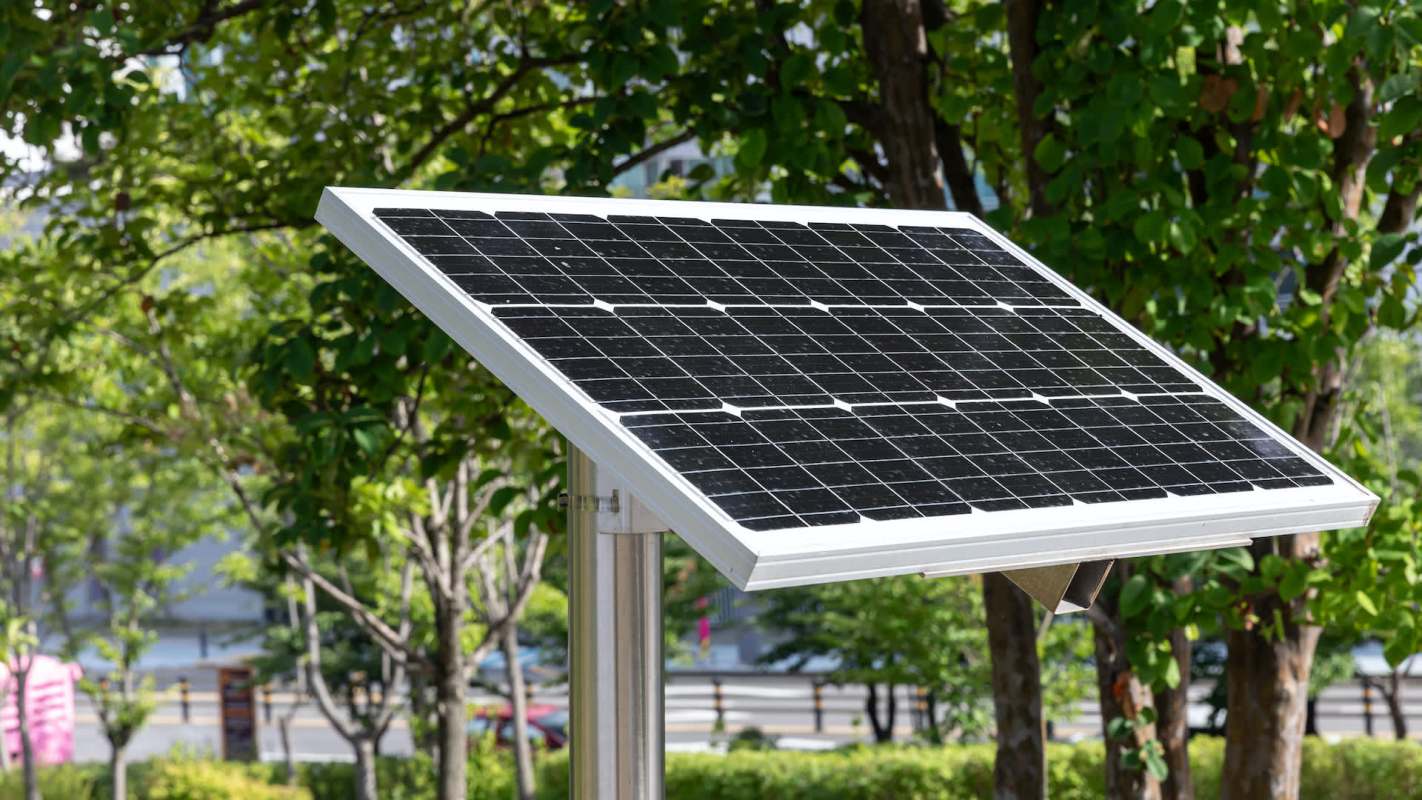
In South Korea, 86 villages have been chosen for a solar program that seeks to put idle spaces and reservoirs to work while giving local residents a share of the revenue.
The program, called Sunshine Income Villages, could help rural communities build new income streams while also expanding the country's supply of clean energy, as PV Magazine detailed.
Here's what to know
In the first application round, 129 villages applied and 86 were approved. Another 34 were told to reapply in a second round that closed at the end of July.
Under the model, communities would do more than simply host solar panels. The initiative, unveiled earlier this year, supports projects on unused land, farmland, and reservoirs, with residents forming cooperatives that share in both energy benefits and profits.
The Ministry of Climate, Energy and Environment said nine of the chosen villages are positioned to move ahead quickly because they already have financing plans, selected sites, and cooperative structures in place.
Another 77 received conditional approval, meaning matters such as grid access, lease negotiations, or financing still must be resolved before the projects can advance.
TCD Picks » Quince Spotlight
💡These best-sellers from Quince deliver affordable, sustainable luxury for all




More background
The initiative blends renewable energy development with a local ownership model. Rather than treating solar strictly as a utility-scale infrastructure effort, the government is trying to make villages active partners in the expansion.
If the projects move forward as expected, communities could gain a new source of shared revenue while also hosting electricity generation closer to where people live.
In places with underused land, that could create value from spaces that were previously delivering limited economic benefit.
South Korea has also been expanding solar more broadly. According to the International Renewable Energy Agency, the country's cumulative solar capacity reached 30,346 megawatts by the end of 2025, up 3.6 gigawatts from the end of 2024.
That broader push includes a recent groundbreaking for South Korea's largest single-site PV complex to date, along with a 1-gigawatt solar tender announced in July.
What's being done?
With the first selections complete, the government's focus now shifts to building projects.
The ministry said it will "promptly guide the selected villages through follow-up procedures," including permits and financial support covering up to 85% of installation costs.
Interest was far larger in the next round. The government said it received 617 village applications from 116 cities and counties across 12 provinces and cities nationwide, with final selections expected at the end of September.
The Ministry of Interior and Safety is aiming to identify 700 solar villages this year and 2,500 by 2030.
The government is also considering an added energy systems support program, especially in places where grid limits could hold back solar deployment.
Yoon Ho-joong, South Korea's Minister of Interior and Safety, said he expects the first 86 selected villages to "become exemplary cases and serve as a stepping stone for nationwide expansion."
He added, "We will cooperate closely with relevant ministries to do our best to ensure that as many villages as possible are selected and can enjoy the benefits."

Get TCD's free newsletters for easy tips, smart advice, and a chance to earn $5,000 toward home upgrades. To see more stories like this one, change your Google preferences here.






