


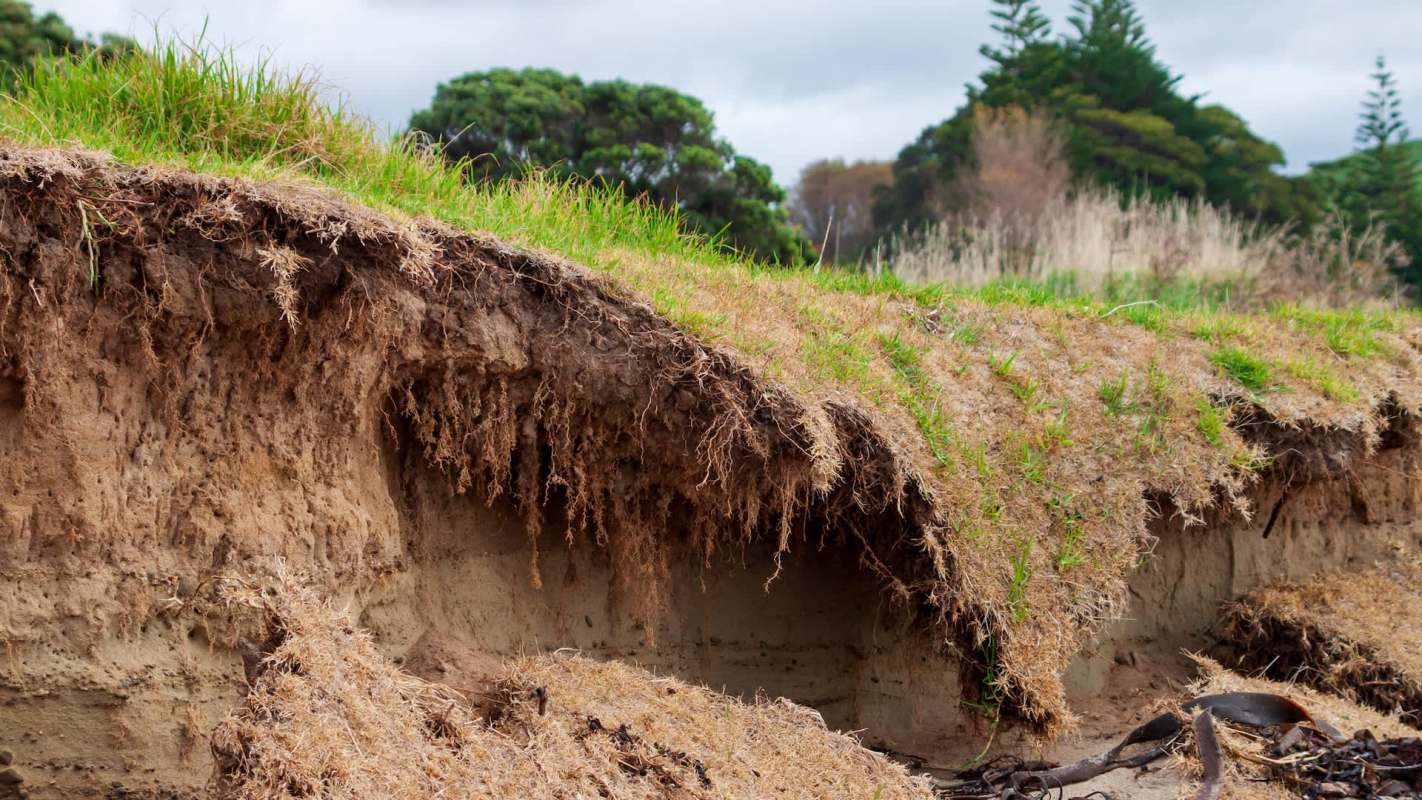
A Massachusetts couple in Williamstown has spent years losing pieces of their backyard to the Hoosic River.
Here's what to know
While mowing the lawn of their North Street home in April 2019, Art Campbell spotted a crack near the riverbank and quickly shared the alarming find with his wife, Wendy Campbell.
According to The Berkshire Eagle, the ground around that spot became soft and uneven as the land began to move, and the river claimed an initial section of the yard, along with several trees that had effectively been left hanging by their roots.
Since 2019, about 110 feet of their property has disappeared, along with dozens of trees, and some of the washed-away ground reportedly still sits as islands in the river.
Why is this significant?
Extreme weather disasters, partly driven by human activity, can jeopardize lives and livelihoods by destabilizing land near homes, roads, and infrastructure, increasing safety risks for families, raising public spending, and weighing on property values.
Heavier storm flows can accelerate riverbank erosion, wiping out yards, trees, and private land, leaving homeowners and local governments to bear the costs. When communities have to redirect money toward emergency repairs, the financial burden can ripple outward.
TCD Picks » Quince Spotlight
💡These best-sellers from Quince deliver affordable, sustainable luxury for all




What's being done?
Williamstown has initiated an emergency riverbank stabilization project, and the Campbells' property is one of two places along the Hoosic River they're focusing on where the erosion is most severe. The goal is to reinforce vulnerable sections before even more land is lost.
For homeowners like the Campbells, the ordeal can stretch into years of uncertainty, even after local officials begin to respond.
Stabilization work can help slow future erosion, protect nearby property, and reduce the risk that public infrastructure could be threatened next.

Get TCD's free newsletters for easy tips, smart advice, and a chance to earn $5,000 toward home upgrades. To see more stories like this one, change your Google preferences here.






