


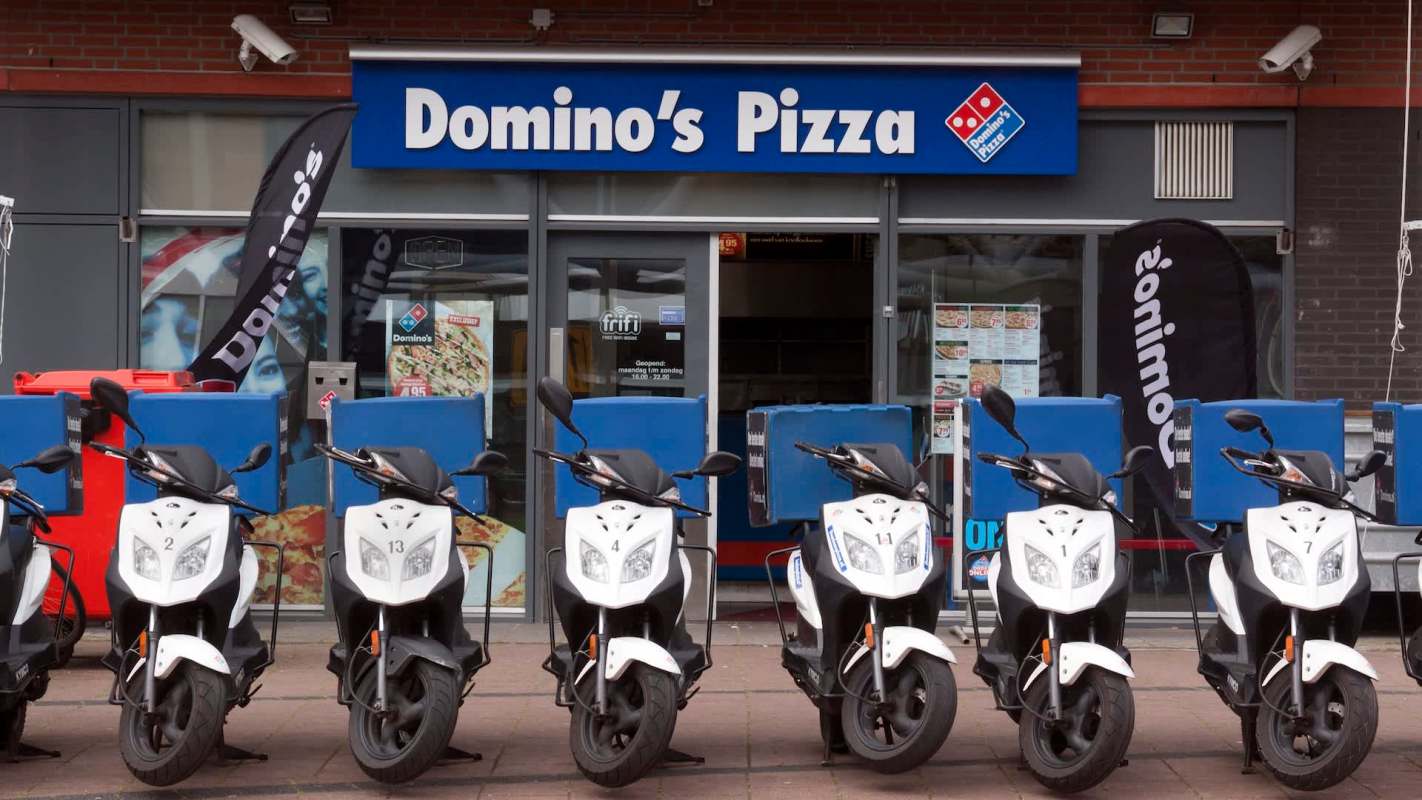
An abandoned Domino's order does not automatically become a free extra for whoever walks in next. As Chowhound noted, employee reports suggest the fate of a canceled, remade, or mistaken pizza is usually decided at the store level rather than by a single uniform company rule.
Here's what to know
Debate over the issue grew after a deleted Reddit thread appeared to show piles of unused Domino's dough trays being thrown away. In follow-up reporting, Chowhound said employees described different approaches across locations, pointing to the absence of a single chainwide standard.
As the outlet noted, with a company producing roughly 4 million pizzas a day worldwide, even a minor percentage of canceled or abandoned orders can translate into a lot of wasted food. But because many restaurants are franchised, what happens next depends heavily on the individual store.
According to workers cited by Chowhound, some restaurants let employees eat remakes, scrapped orders, or pies with minor errors during their shifts. A few commenters also described keeping an extra pizza warm for a short time in case a matching order comes in, with staff eating it if no one needs it.
Some franchisees reportedly redistribute the leftovers more broadly, sending end-of-day surplus to shelters or to community workers such as police and firefighters. But Domino's does not seem to have a systemwide donation rule for unsold pizzas, so disposal remains the outcome at some stores.
Food waste carries both financial and environmental consequences, particularly when edible food ends up in the trash simply because there is no clear system for redistributing it safely.
TCD Picks » Quince Spotlight
💡These best-sellers from Quince deliver affordable, sustainable luxury for all




More background
Donation is not just a matter of whether a pizza still looks edible, since restaurants must also meet food-safety standards. As Chowhound explained, the FDA Food Code guidance states that donated hot food must be held at 135 degrees Fahrenheit or above, which requires suitable storage and transportation.
That means some stores may choose not to donate leftovers if they cannot keep them at a safe temperature, making food-waste prevention harder in practice.
There is also the problem of abuse. Chowhound said Reddit commenters described people placing bogus orders, leaving the food unclaimed, and then returning later in hopes of getting it for free.
Restaurant waste is not always the result of simple neglect. In many cases, it reflects a mix of franchise-level decisions, food safety rules, staffing limitations, and efforts to prevent exploitation.
What's being done?
On the corporate side, Domino's told Chowhound that it uses forecasting and inventory-tracking tools to cut both food waste and other operational waste. The goal is to keep stores from overpreparing ingredients and making more food than demand will support.
At the store level, some of the most practical solutions already appear to be in use in giving safe surplus food to employees, donating properly handled leftovers to community organizations, and improving systems that better match production to demand.
Clearer standards and stronger donation infrastructure would allow more edible pizzas to be stored and transported safely, rather than ending up in the trash.

Get TCD's free newsletters for easy tips, smart advice, and a chance to earn $5,000 toward home upgrades. To see more stories like this one, change your Google preferences here.







