


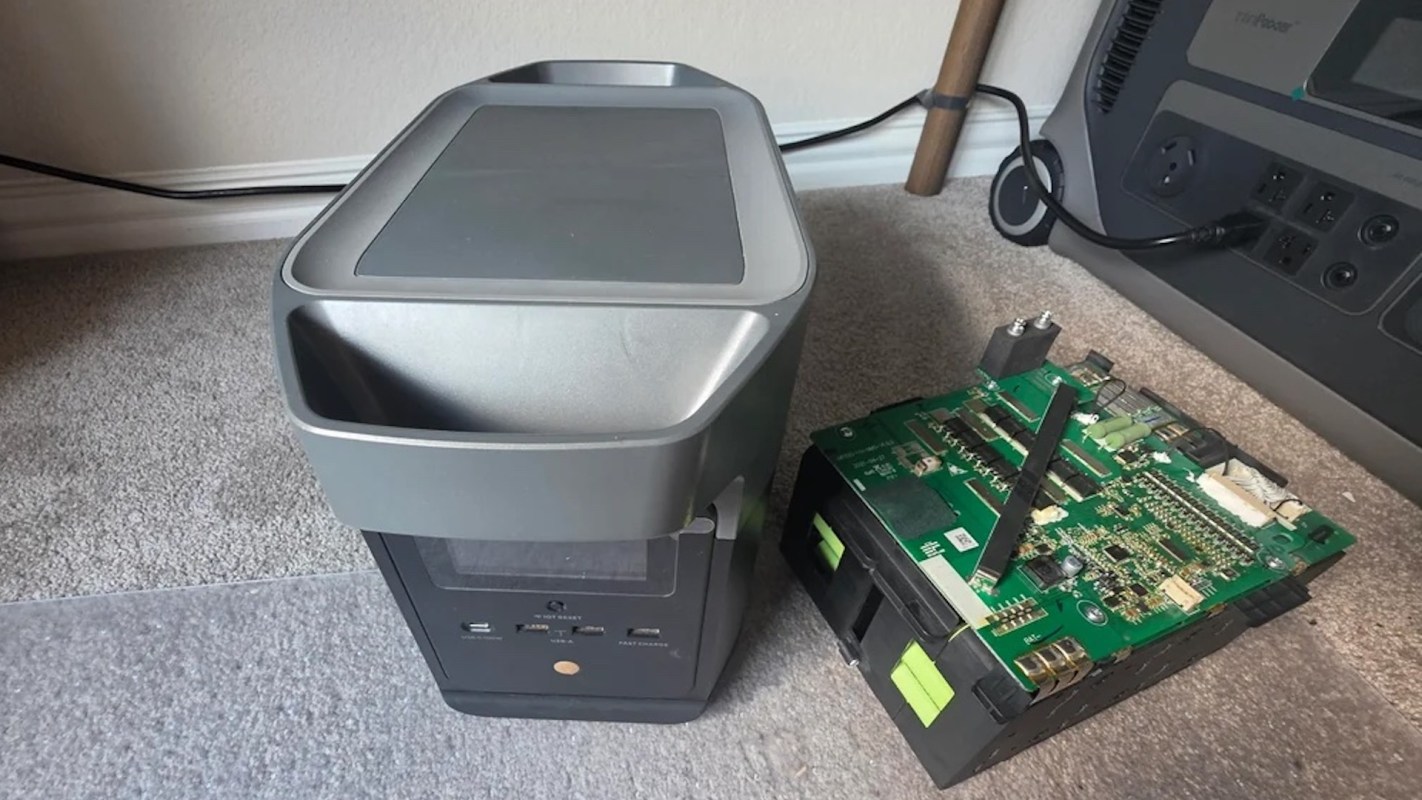
A defective backup power station is not always a battery problem. There are countless electronics involved, and attempting a DIY fix can leave you with a costly unknown.
For one EcoFlow Delta Mini owner, uncertainty began when the unit reportedly started overheating during relatively low-power charging. Because the device was already out of warranty, the owner chose to inspect it rather than immediately give up on it. That led the DIYer to Reddit to wonder if a modern 48-volt LiFePO4 battery swap could make the unit functional again.
Here's what to know
In a post on Reddit, the original poster pondered whether the original battery could be replaced with a third-party 48V LiFePO4 pack that has its own battery management system. The owner considered that possibility after draining the battery and capacitors, opening the Delta Mini, and determining that a bad cell was the likely source of the unit "overheating when charging at only 200watts."
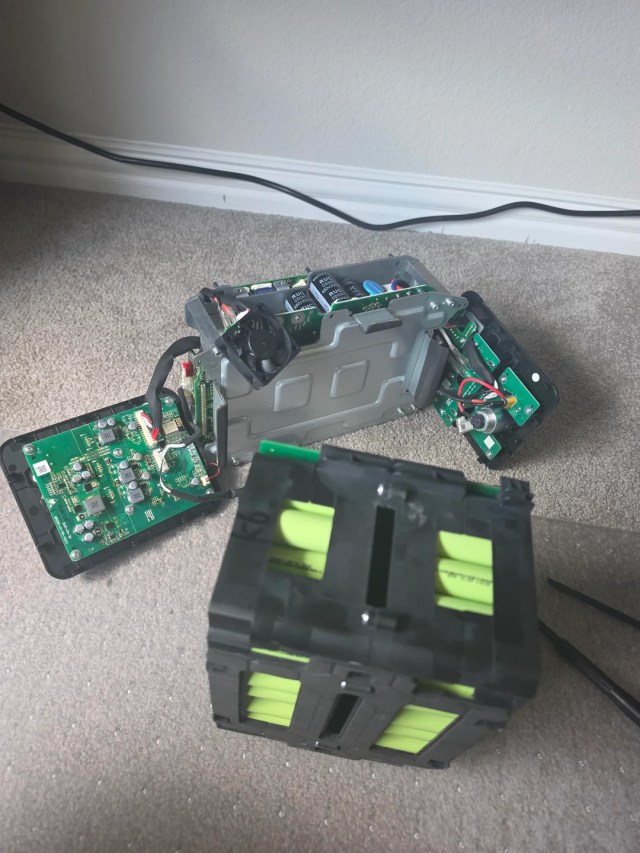
"Bad idea," one commenter said. "Imho the overheating comes not from the battery, but from the electronics."
Adding battery storage is one of the best ways to protect your home during outages, save on energy, and go off-grid. If you're exploring a safer setup, EnergySage's free tools can help you compare home battery storage options and competitive installation estimates, and EnergySage has teamed up with the electrification brand Qmerit to guarantee you get the best price on home battery storage solutions.
For a smaller-scale option, Pila also offers excellent battery backup options, and its plug-and-play batteries are priced at a fraction of the cost of a whole-home backup system.
More background
Portable power stations are clean, quiet alternatives to gas generators, but they are also tightly integrated electronics. Its parts are designed to function together as a single, yet complex, system.
If the systems do not line up, the result can be inaccurate state-of-charge readings or more overheating: the exact problem this owner is trying to solve. In more serious cases, bypassing the original protections can create significant shock or fire risks.
Save $10,000 on solar panels without even sharing your phone number Want to go solar but not sure who to trust? EnergySage has your back with free and transparent quotes from fully vetted providers in your area. To get started, just answer a few questions about your home — no phone number required. Within a day or two, EnergySage will email you the best options for your needs, and their expert advisers can help you compare quotes and pick a winner. Solar panels can save you more than $50k over their 25-year lifespan, and EnergySage can help you save as much as $10k on installation. Which begs the question — isn't that worth an email or two? |

As more households invest in backup batteries for storms and other emergency uses, reliability matters more for both family budgets and the environment. A battery that fails early can wipe out expected savings and create more electronic waste. Undoubtedly, as the category grows, so will the prevalence of local specialized repair shops.
What can be done?
For most consumers, diagnosis is a great place to start. If a battery unit starts running unusually hot, stop charging it, note the charging wattage and any warning signs, and check whether the manufacturer offers a trade-in option or approved repair support.
Anyone considering opening a lithium battery system should understand that stored energy can remain dangerous even after normal use. Unless you have substantial experience with high-voltage battery work, a qualified repair technician is the safer choice.
If repair is not realistic, it may be time to compare replacement strategies. Adding battery storage can help households ride through outages, reduce reliance on expensive grid power at peak times, and move toward a more off-grid setup.
And if a damaged battery pack truly cannot be saved, it should go to an approved battery recycling or e-waste facility rather than the trash. That helps reduce fire risks, protect sanitation workers, and recover valuable materials.

Get TCD's free newsletters for easy tips, smart advice, and a chance to earn $5,000 toward home upgrades. To see more stories like this one, change your Google preferences here.







