


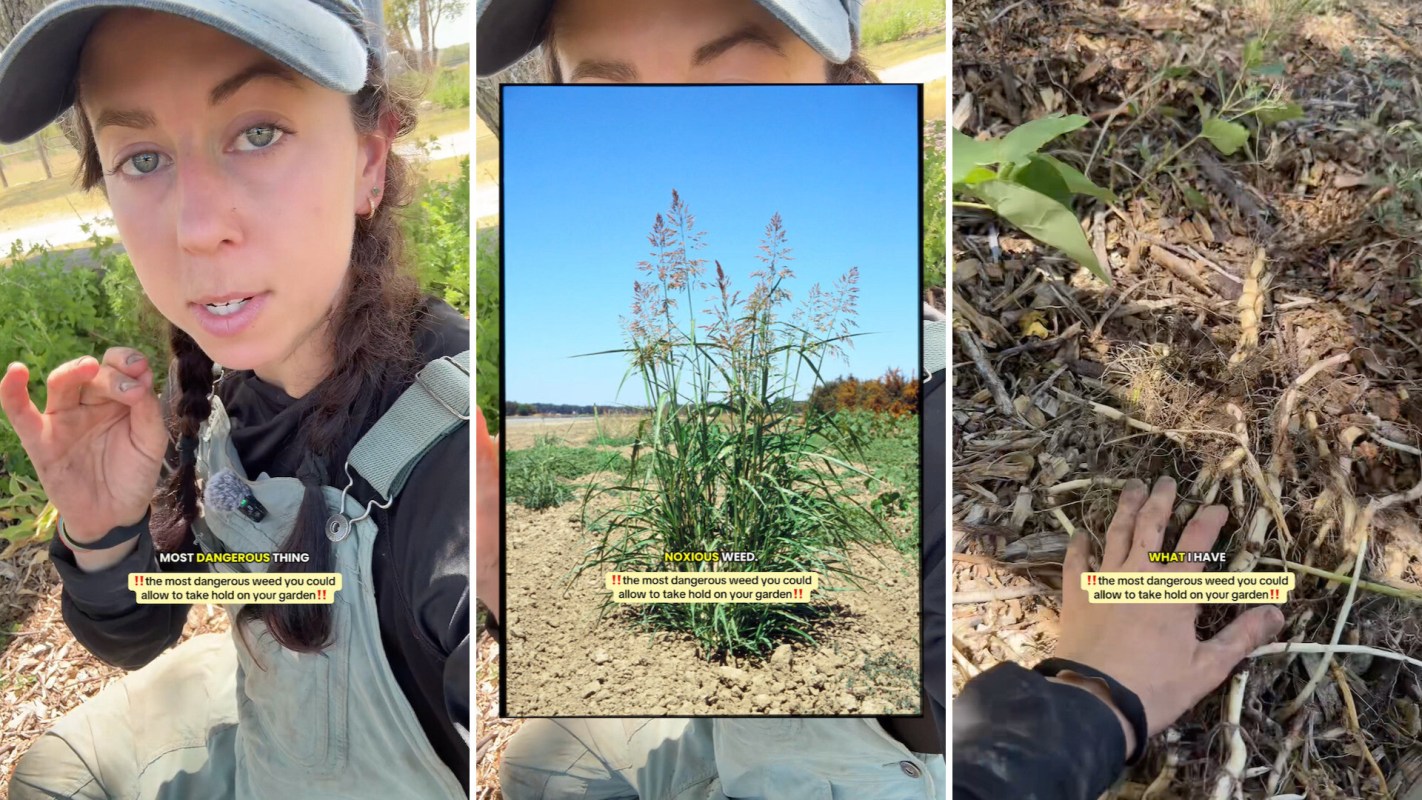
The grass lining Texas roadsides may look ordinary, but one gardener said it is anything but harmless.
In a TikTok video, Stephanie (@TexasGarden8) warned that the familiar plant many people have been passing for years is Johnson grass, and it can also spread into home gardens.
Here's what to know
Stephanie shares gardening advice with Texans and described Johnson grass in this video as "a major invasive in our state."
The video focused on how easy the plant is to overlook. It's the same grass many Texans have likely seen for years in ditches and along roadsides without knowing what it was called.
Proper identification is often the first step in protecting the space gardeners have worked to cultivate.
More background
Plants that people introduce to new areas can create major challenges for home gardeners because they can create imbalance in ecosystems. And when managing your outdoor space becomes more difficult, routine upkeep like weeding or otherwise tending to the land can become more expensive to do.
TCD Picks » Quince Spotlight
💡These best-sellers from Quince deliver affordable, sustainable luxury for all




Many people who grow food at home are trying to save money on produce, enjoy fresher ingredients, and spend more time outdoors in ways that support both mental and physical well-being. Plants that grow faster can get in the way of those benefits.
What can be done?
Learning what's already growing around you can be just as important as deciding what to plant.
The first practical step is identifying Johnson grass before it goes to seed in a yard or garden bed. That's because addressing the problem early is far easier than trying to remove a dense patch later.
From there, gardeners can turn to consistent, low-toxicity management strategies like removing young plants and preventing more seed production. Joining or creating a community garden or asking a friend or neighbor to help out can make these actions easier to do.

Get TCD's free newsletters for easy tips, smart advice, and a chance to earn $5,000 toward home upgrades. To see more stories like this one, change your Google preferences here.







