


The mystery of the universe's creation has captivated scientists for generations, but its earliest chapters have remained frustratingly out of reach, despite advancing technology.
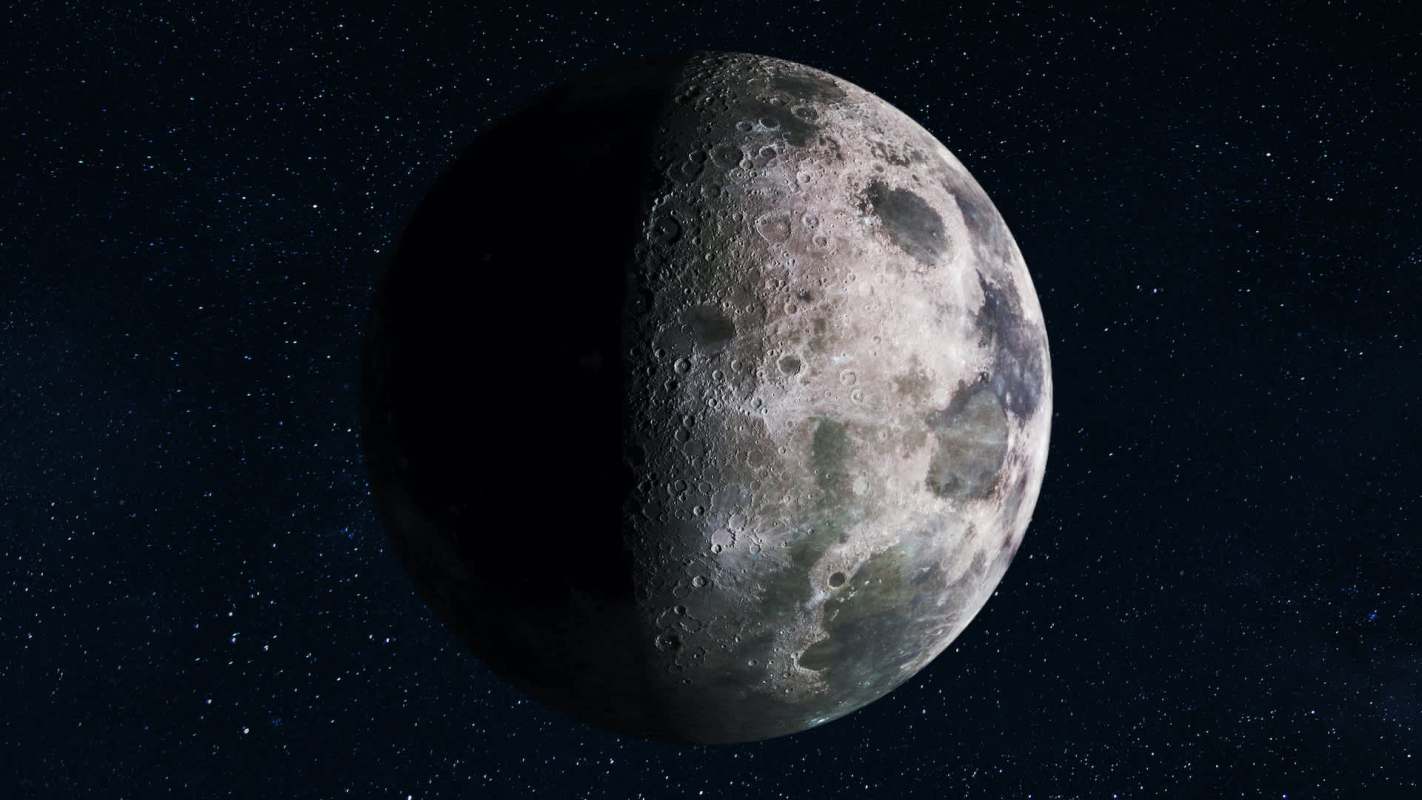
However, a newly proposed miniature satellite called CosmoCube could help scientists probe that hidden era from lunar orbit by using the moon to block the radio interference that makes crucial measurements near Earth so difficult.
Here's what to know
Named CosmoCube, the proposed mission would look for the faint 8.3-inch (21-centimeter) signal produced by hydrogen atoms more than 13.5 billion years ago, according to Popular Science. Scientists have linked that signal to the cosmic dark age, the span between the big bang's afterglow and the formation of the first stars.
Earth is a poor listening post for that work. The ionosphere prevents key frequencies from reaching ground instruments, and radio noise from FM stations, telecommunications networks, and satellites further obscures an already weak signal.
As explained in the journal Nature Astronomy, an international team of astronomers outlined how CosmoCube could orbit the moon and record measurements when it moves over the lunar far side, where Earth-generated radio noise is screened out. During each two-hour orbit, the spacecraft would have about 40 minutes to collect extremely low-frequency data.
A two-year mission could produce around 1,000 hours of observations, which researchers say may be enough to start addressing major unanswered questions about the rise of the first stars and galaxies.
TCD Picks » Quince Spotlight
💡These best-sellers from Quince deliver affordable, sustainable luxury for all




More background
The 8.3-inch line is a key point to measure because hydrogen made up most of the universe during that period. By tracing that ancient signal, scientists may be able to see how matter first gathered into larger structures and how dark matter influenced that process.
As Popular Science described, the effort also targets a poorly understood phase of cosmic history, when the ingredients of the later universe were only beginning to assemble.
Explaining the value of the moon's far side, study co-author and University of Cambridge astronomer Eloy de Lera Acedo said in a statement: "There's no other place where you can get the sort of shielding you need to detect such a faint signal, while at the same time looking at all of space."
Because it is such an attractive location, that naturally quiet region may not stay free of interference forever as more missions and more countries turn their attention to the lunar far side.
What's being done?
Rather than building a huge spacecraft, the researchers are pursuing a highly compact design. CosmoCube would use a lightweight radio antenna and be built small enough to fit within a carry-on-size suitcase.
The craft would also keep close track of its own location and compare its onboard measurements with the surrounding space environment. Researchers have said that should make it easier to separate genuine cosmic signals from the noise generated by the satellite itself.
Collecting the readings would be only part of the job. Much of the work will be done on the back end. Astronomers would still have to subtract foreground contamination, including radio emissions from our galaxy, and use mathematical modeling to isolate the ancient hydrogen signature.
Study co-author Will Grainger, an astronomer at the U.K.'s national space laboratory, said the team is already evaluating thermal performance models and refining the design with partners. If further support comes through, the researchers think the mission could be ready for launch in about five years.
If that timetable holds, the project could provide a new way to study the universe's earliest beginnings. As De Lera Acedo said, "The far side of the moon is really the only option: It solves multiple problems at once, opening a clear window to the very early universe."

Get TCD's free newsletters for easy tips, smart advice, and a chance to earn $5,000 toward home upgrades. To see more stories like this one, change your Google preferences here.






