


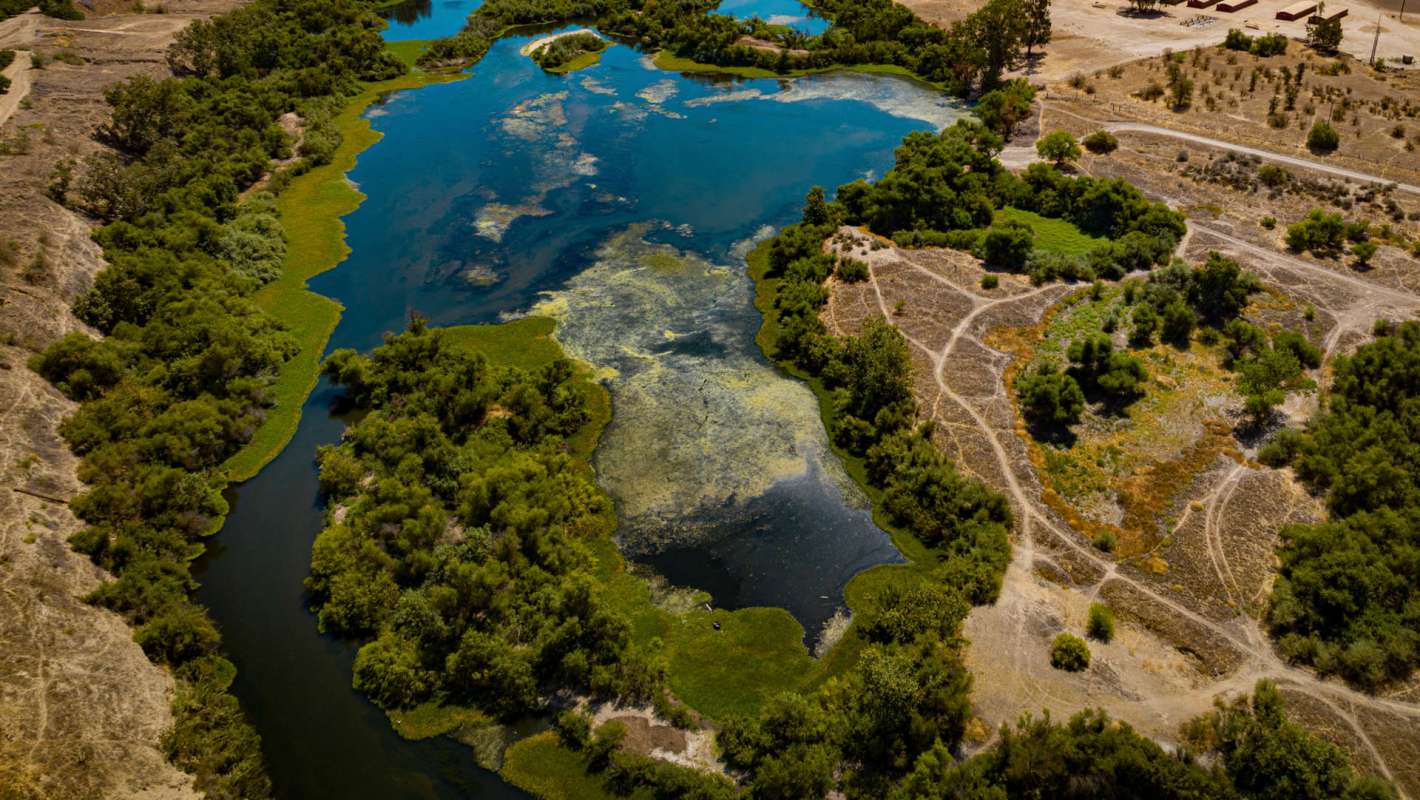
A staffing shortage left a Central California wetland mostly dry because too few workers were available to open the levees, even though the area had attracted well over 100 bird species each winter.
The situation at the Vierra Wetlands shows what cuts to public-land staffing can mean not only for wildlife, but also for the communities that rely on these spaces for recreation, education, and a connection to nature.
Here's what to know
According to CalMatters, within the 7,500-acre San Joaquin River National Wildlife Refuge, the Vierra Wetlands remained largely unflooded this year because the U.S. Fish and Wildlife Service lacked sufficient staff to handle water management work.
As a result, birds such as snowy egrets, northern shovelers, and wood ducks were largely absent, even though drought was not to blame.
The outlet reported the problem reflects a broader staffing decline: between 2010 and 2025, the refuge system lost nearly a third of its workforce, and more than half of refuges no longer have staff on site.
Citing the Center for Biological Diversity, CalMatters reported that the U.S. Fish and Wildlife Service went from 9,957 employees in 2024 to 8,179 by late May 2025, an 18% drop.
TCD Picks » Quince Spotlight
💡These best-sellers from Quince deliver affordable, sustainable luxury for all




Desirée Sorenson-Groves, president of the National Wildlife Refuge Association, described the cuts in blunt terms to the outlet: "For an agency that already cut the fat … it's not even at the bone now. It's just lopping off limbs."
In California, where 35 national wildlife refuges help support migration routes, habitat, recreation, and education, those losses can quickly extend beyond the boundaries of a single refuge.
More background
After 23 years overseeing the San Joaquin River refuge, manager Eric Hopson told CalMatters he retired in April 2024. Hopson hoped the agency would find a replacement for him, but, as of the report, no one had been hired.
His work included directing runoff and creek water to recreate natural flooding, a process that helped prepare the wetlands for migratory birds in the fall and winter.
Hopson said the area cannot return to functioning wetland habitat on its own.
"Our rivers and wetlands are very altered," he said to CalMatters. "For that reason, they don't take care of themselves anymore. So for better or worse, we humans have to take care of the wetlands."
As one of the few open spaces in the Northern San Joaquin Valley, the refuge has drawn birders, families, and volunteers.
According to Sal Salerno of Modesto, president of the Stanislaus Audubon Society, his group has been unable to keep up with some bird-counting access and public outings.
"We just can't do any of those activities," Salerno told CalMatters. "It's very frustrating to want to volunteer and help count the birds."
What's being done?
The Fish and Wildlife Service told CalMatters that staff from the San Luis National Wildlife Refuge Complex office in Merced County are helping and that the agency intends to flood the wetlands.
Even so, assistance from an office an hour away does not replace the dedicated staff based at the refuge who manage it every day.
Getting water back onto the wetlands is only one hurdle, according to John Veon, a Ph.D. candidate in ecology at UC Davis, who said recovery requires careful planning because dry spells can change which plants become dominant.
"It's not impossible to bring it back 100%, but you do have to sit and think about the challenges," Veon told CalMatters.
Pressure is also building against further cuts. CalMatters reported that a Power in Nature poll found that nearly 70% of surveyed California voters want their member of Congress to back legislation barring further cuts to park and public lands staff.

Get TCD's free newsletters for easy tips, smart advice, and a chance to earn $5,000 toward home upgrades. To see more stories like this one, change your Google preferences here.







