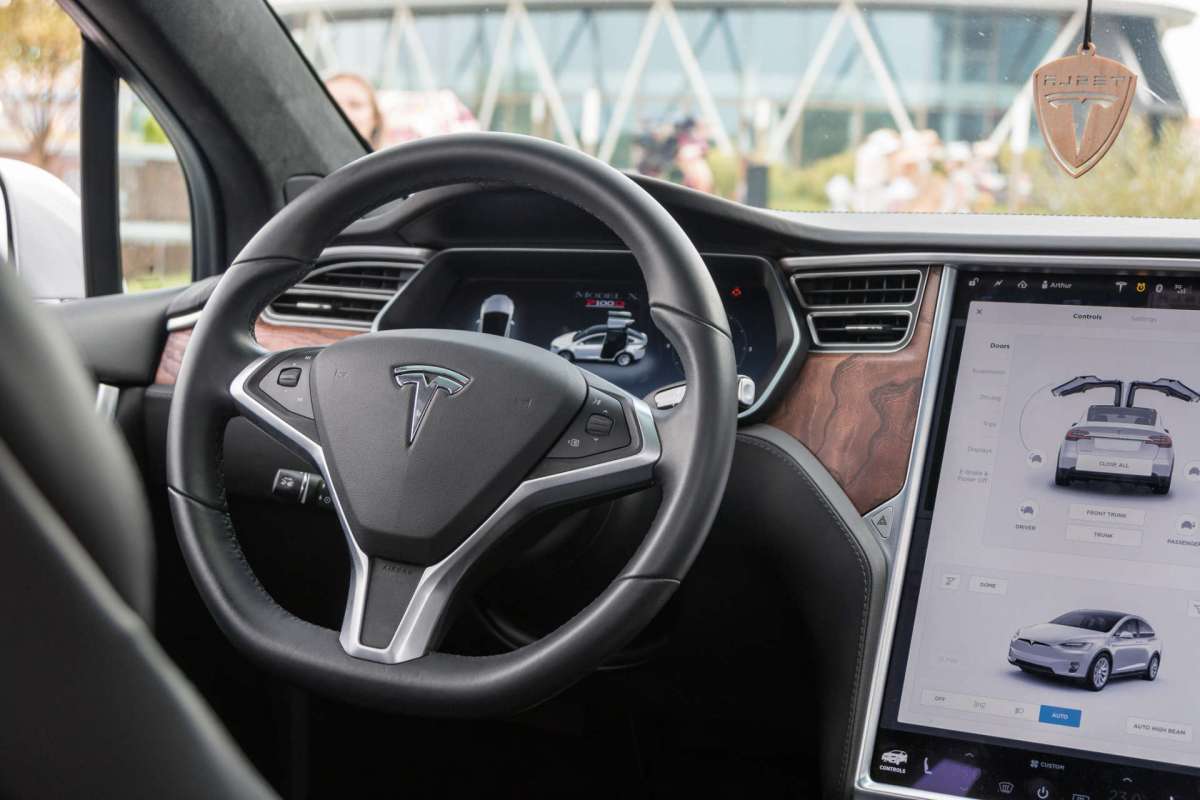
Buying a car has long meant paying for something built to last.
But as vehicles become rolling computers, a $50,000 purchase may stay drivable for years even as some of its digital features begin to fade.
For shoppers trying to stretch every dollar, that shift could change what value really means over years of ownership.
Here's what to know
The typical vehicle in the U.S. is now 12.8 years old, according to CNBC, showing that Americans are keeping their cars longer.
Some analysts and forecasters think software-defined vehicles may not age like traditional cars, and could instead follow a path closer to smartphones.
Modern vehicles depend on onboard computing, internet access, and over-the-air updates for a wide range of functions. That setup can work in an owner's favor because a car may continue to gain improvements after it has been bought, rather than feeling outdated as soon as it leaves the lot.
TCD Picks » Quince Spotlight
💡These best-sellers from Quince deliver affordable, sustainable luxury for all




Rivian Chief Software Officer Wassym Bensaid described that advantage this way: "The least capable Rivian you will ever get from us is on the day of your purchase, and then it will keep improving and getting better and better over time."
Not everyone is confident about where that leads.
Sam Fiorani, a vehicle-forecasting executive at AutoForecastSolutions, said, "We honestly don't know how long these vehicles will last."
More background
Technology support has disappeared before. When AT&T turned off its 3G network in 2022, millions of vehicles from numerous brands lost connected features. The cars still ran, but owners no longer had services that came with the vehicle, including some emergency, navigation, and infotainment functions.
Tesla has also drawn scrutiny on this front. After years of saying its vehicles had the hardware necessary for full self-driving, CEO Elon Musk said in April that Hardware 3 vehicles would need newer computers and cameras for "unsupervised" FSD.
J.D. Power vice president of data insights Alex Yurchenko said, "Valuation remains a challenge," especially when buyers worry about feature availability, privacy, and long-term support.
What's being done?
Some automakers say they are trying to account for those risks in advance.
Bensaid said Rivian aims to leave enough hardware "headroom" for about seven to 10 years of software upgrades, while maintaining that safety and security updates will continue indefinitely.
The flow of flashy new features may slow over time, but continued bug fixes and safety support could still help keep a vehicle practical, safer, and possibly more valuable on the used market.
Right-to-repair laws could matter more as well. Their purpose is to give owners and independent repair shops better access to the information and tools needed to fix modern products, vehicles included.
Rivian says it plans to broaden the range of what owners can do through the vehicle's in-car service menu.
Bensaid said the company wants to "allow our owners to perform more actions in line with the right to repair regulations," including diagnostics and some basic repairs.
Sam Abuelsamid, Telemetry's vice president of market research, said that broader right-to-repair access makes him more hopeful: "If we go down that path, we really ingrain right to repair as something that everyone has access to then, yeah, I'm more optimistic than I used to be."

Get TCD's free newsletters for easy tips, smart advice, and a chance to earn $5,000 toward home upgrades. To see more stories like this one, change your Google preferences here.