


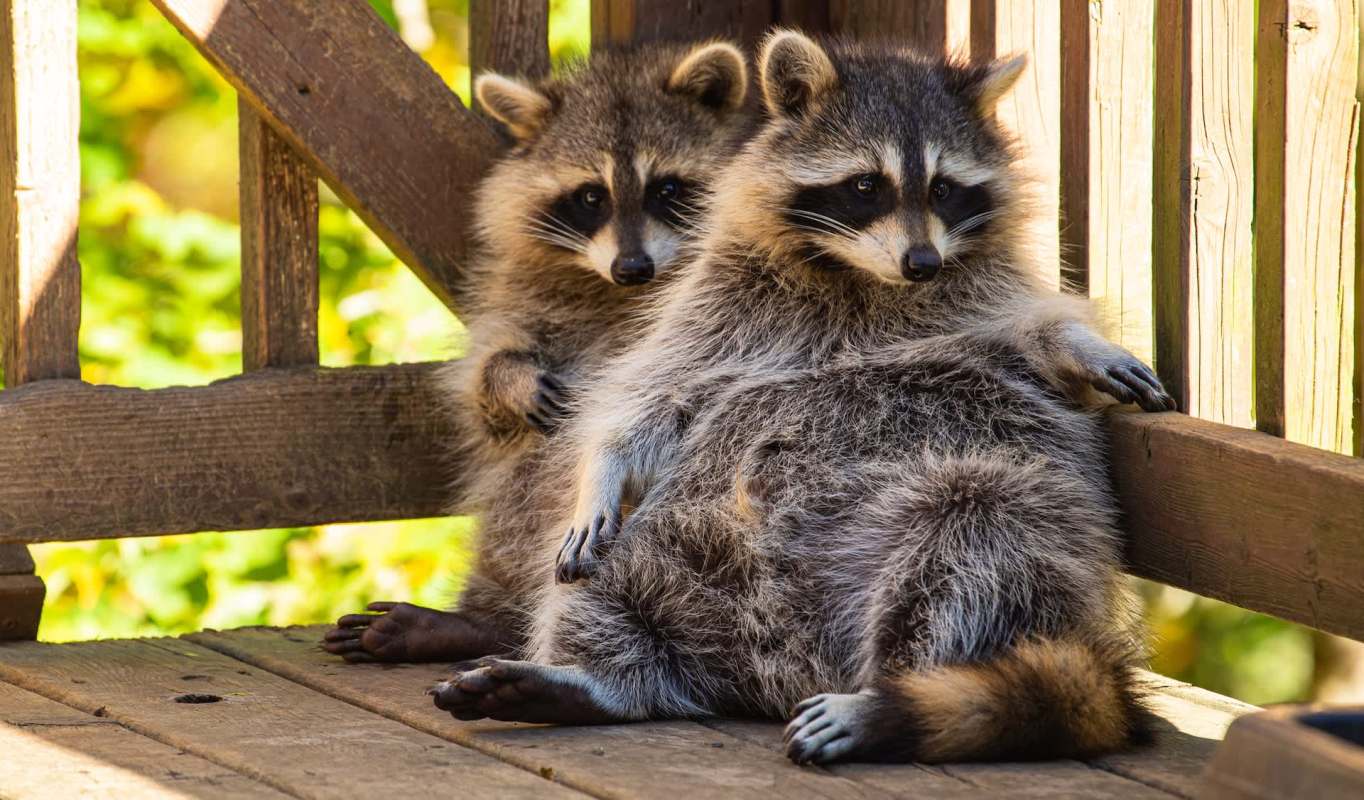
Researchers worry that city raccoons are showing signs resembling the earliest stages of self-domestication.
What to know
On Long Island, a woman using the pseudonym Marilyn Smith said raccoons kept making nighttime trips into her house, where they ate cat food, scavenged leftovers, and at times slept inside. According to The Atlantic, Smith had spent years feeding feral cats and leaving doors slightly open so the cats could come in for shelter, a routine that raccoons also learned to exploit.
Scientists have reported behavioral and physical differences in urban raccoons. City animals are bolder, more social, and less fearful of humans. A study in Frontiers in Zoology found that their snouts were about 3.6% shorter than those of rural raccoons — a change some researchers believe indicates early domestication.
Suzanne MacDonald, an animal psychologist at York University, said, "We've ended up with animals that don't run away from us, and instead come sit on our patio furniture."
Even so, experts cited by The Atlantic did not suggest raccoons are becoming pets in any practical sense, but that some are adapting strikingly well to human-dominated spaces.
Why does this matter?
Human activity has played a part in this shift, helping raccoon populations increase 20-fold between the 1930s and the late 1980s.
TCD Picks » Quince Spotlight
💡These best-sellers from Quince deliver affordable, sustainable luxury for all




In many places, raccoons gained an advantage as predators such as urbanization caused wolves, coyotes, and bobcats to disappear, while cities and suburbs supplied easy food and shelter through garbage, gardens, sheds, attics, and leftovers. With raccoons being able to open containers and unlatch gates, it's the perfect environment for them to thrive.
For people, however, the costs can be substantial. Smith said the problem has left her unable to sleep, travel, or host guests. Accidental scratches have forced her to get two rounds of rabies shots. Beyond rabies, raccoons can also carry leptospirosis and raccoon roundworm — all of which can cause serious illness in humans.
Human behavior, such as feeding wildlife, leaving food accessible, and reshaping habitats, can blur boundaries in ways that harm both animals and people.
What can be done?
Reduce what attracts raccoons by locking up trash, pet food, compost, and outdoor leftovers, closing off entry points, and not intentionally feeding wild animals.
People dealing with wildlife around the home may also reduce the risk of conflict by understanding what drives these encounters, particularly food access and habituation. Resources on why wild animals attack humans can help explain how these interactions escalate.
Experts also cautioned against romanticizing raccoons as possible companion animals. Raccoon biologist Nessie O'Neil said captive raccoons are "incredibly destructive," while MacDonald added, "Why the hell would you take a crazy little wild animal that is exceedingly bitey—why would you want this destructive force in your house?"
O'Neil warned, "People hear what they think is a scientific justification for having this animal as a pet. People are not going to do enough digging to realize, Oh my God, this is a really bad idea."

Get TCD's free newsletters for easy tips, smart advice, and a chance to earn $5,000 toward home upgrades. To see more stories like this one, change your Google preferences here.






