


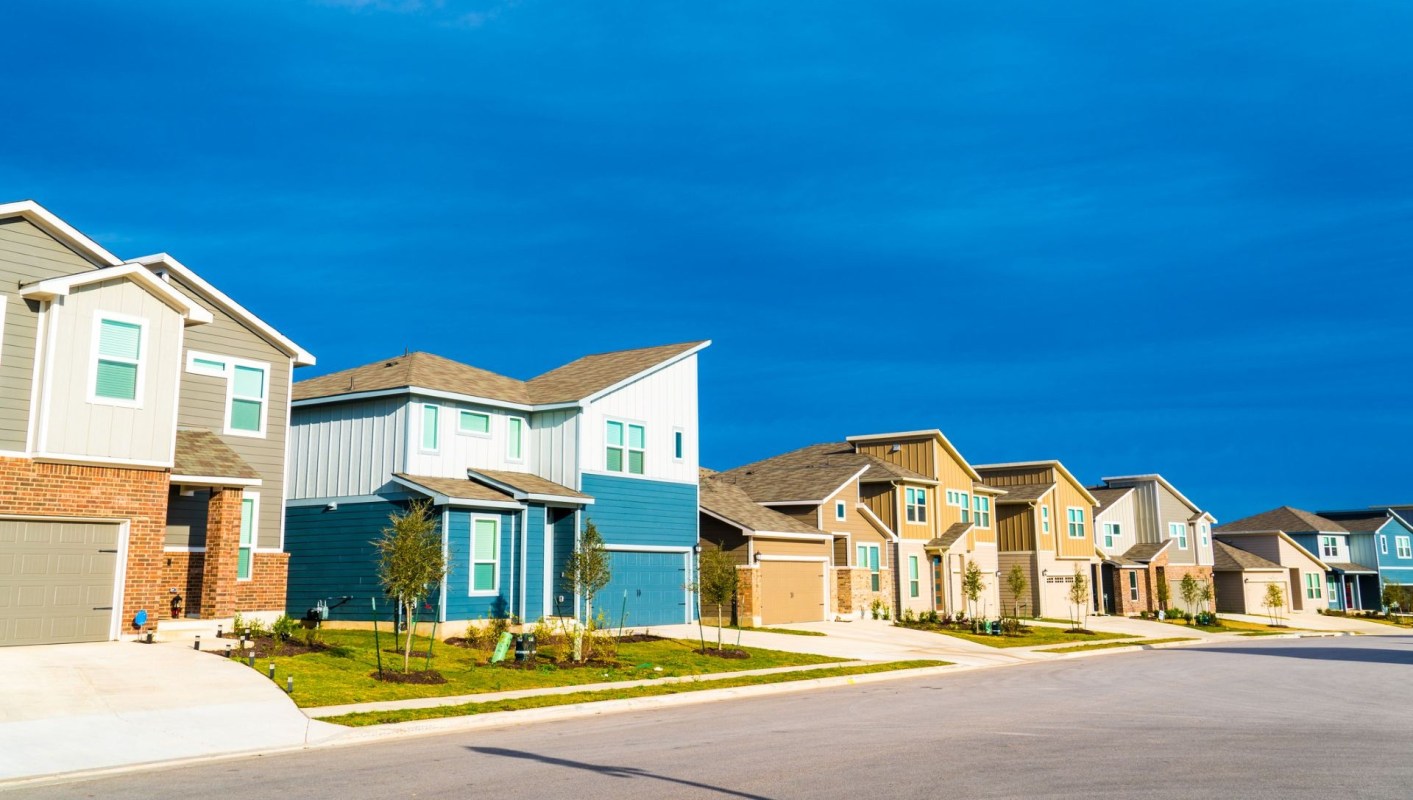
Austin, Texas, homeowners are set to pay more after city leaders signed off on a record $6.63 billion budget that also raises the city's property tax rate.
City Council approved the plan in a divided vote on August 12.
Here's what to know
The City Council approved the fiscal year 2026-27 spending plan, Community Impact reported, and set the tax rate at $0.579948 per $100 of property value, the highest level permitted by state law without a public vote.
Compared with the current $6.3 billion budget, the new plan is nearly 5% larger.
Using a projected median home value of $471,603 after the city's standard 20% homestead break for owner-occupied primary homes, the annual city property tax bill for a typical homeowner would rise from $2,074 to about $2,190, an increase of more than 8%. Seniors and disabled residents may qualify for an additional exemption.
Add in expected increases to utility bills and service charges, and the combined jump tops $170, pushing the estimated total for every city rate and fee past $5,950.
TCD Picks » Quince Spotlight
💡These best-sellers from Quince deliver affordable, sustainable luxury for all




Mayor Kirk Watson, one of the no votes, said he was concerned about the pressure the budget would put on residents already facing financial strain.
"I really do feel like we're at a point in time where we could've done more to meet the needs of people that are struggling in our community," he said.
More background
The city's $1.54 billion general fund pays for services including parks, libraries, public safety, health programs, and work related to housing and homelessness. Other operations, such as Austin Energy, Austin Water, transportation services, airport departments, and watershed protection, are supported by separate revenue.
Council members weighed how much social service funding could be spared from cuts. Better-than-expected tax revenue projections helped prevent many of the anticipated reductions, and nearly $5 million was set aside for housing assistance.
What's being done?
The plan includes money for housing help, staffing and shelter management for Austin Homeless Strategies and Operations, new park maintenance gear, and a downtown initiative aimed at preventing drink spiking.
Council members also authorized $35 million in debt that does not require voter approval for active mobility and traffic-calming projects, as well as upgrades at city animal shelter facilities.
Officials also approved initial funding for a new joint emergency communications office in a 6-2-3 vote.
Council members Krista Laine and Mike Siegel said Austin has delayed too long in moving 911 services from the police department to an independently overseen civilian office.
"A shift to stand-alone 911 is necessary to ensure that we are truly reimagining public safety, as our City has declared its goal to be, and that we are rigorously living up to our goals to divert mental health calls and other non-violent calls towards emergency responders who are best equipped to respond effectively," Siegel said.
"My district has severe and longstanding issues with 911 connectivity and responsiveness, issues that threaten my constituents' lives. We cannot wait another calendar year for this city to start addressing the lack of timely emergency response in outlying districts like mine."

Get TCD's free newsletters for easy tips, smart advice, and a chance to earn $5,000 toward home upgrades. To see more stories like this one, change your Google preferences here.







