


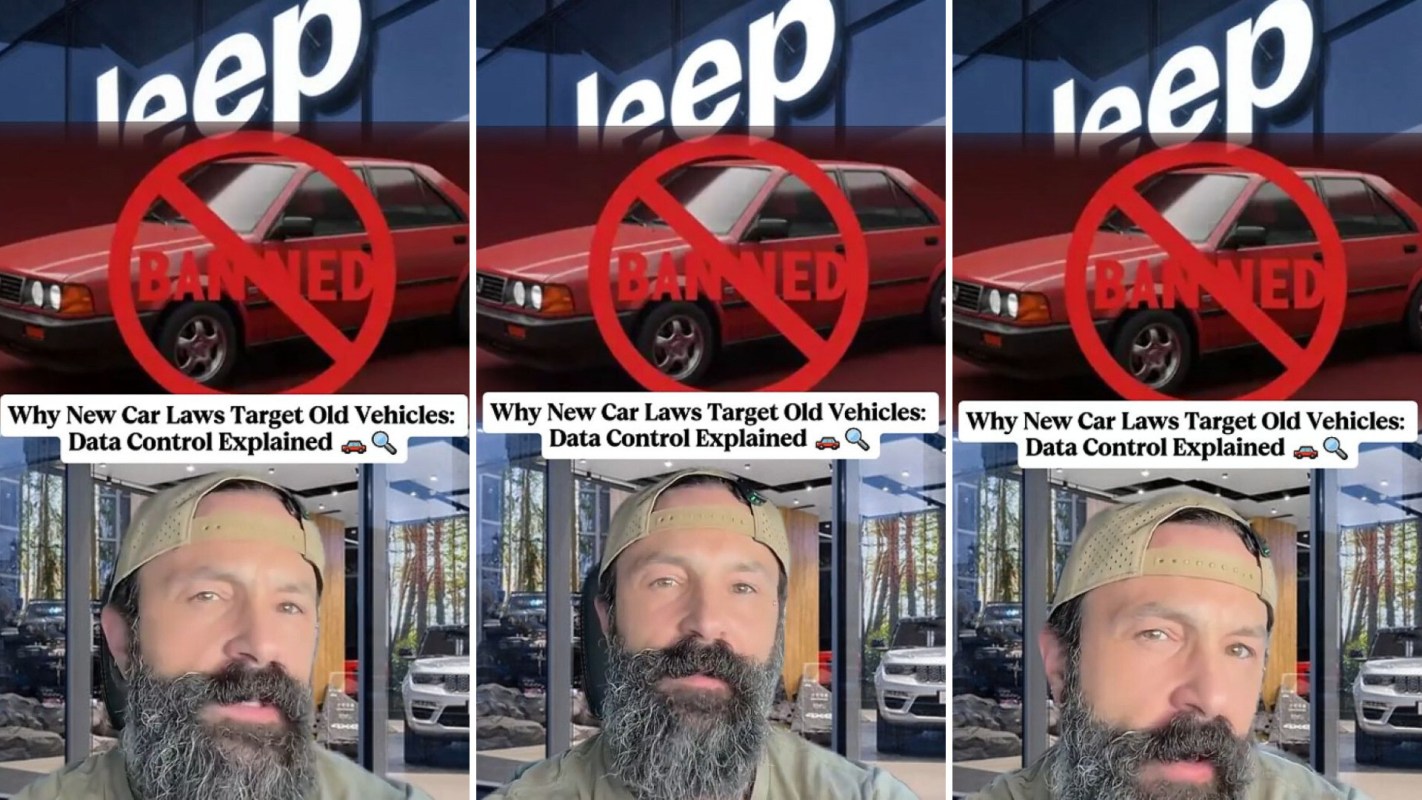
A TikTok debate over Illinois right-to-repair fears is resonating far beyond car enthusiasts, as broader concerns surface over whether older vehicles could become harder to repair, harder to insure, and easier to track.
For drivers who rely on keeping an aging car on the road, that kind of shift can feel less like policy fine print and more like a threat to everyday mobility.
Here's what to know
A TikTok creator (@fihaislam813) argued that Illinois HB4948 and the broader fight over telematics and repair access suggest a future in which drivers have less control over their own vehicles.
@fihaislam813 Are we losing our right to repair and drive older cars? Major shifts like the recent Illinois HB4948 reveal a focus on control and profit, not safety. Let's discuss! #CarData #RightToRepair #FordPatent #IllinoisHB4948 #AutoNews #Viral #FYP #TikTokNews #Trending ♬ original sound - fihaislam813
"Everyone's talking about right to repair and Illinois is banning old cars, but nobody's connecting the dots," the creator said.
According to the creator, some owners of pre-1997 cars could face a compliance issue because those vehicles may lack the required port. The creator said drivers who receive two speeding tickets within 12 months would be required to pay about $30 a month for a tracking device for three years, which, in that telling, could leave some people unable to keep driving legally.
To expand that warning into privacy, the video also cited telematics systems that log driving behavior, a federal lawsuit involving GM, and a Ford patent. The creator argued those examples showed how far vehicle monitoring could go, saying it could "read your lips, scan your iris, monitor your heart rate and run your face through a criminal database inside your own truck."
TCD Picks » Quince Spotlight
💡These best-sellers from Quince deliver affordable, sustainable luxury for all




One commenter wrote, "THIS ABUSE HAS TO STOP."
More background
Right-to-repair fights usually turn on a basic question: When you buy a product, do you actually control it?
For cars, that means access to diagnostic data, software, parts, and repair information for owners and independent mechanics — not just dealerships and manufacturers.
That question matters most when people try to extend the life of a vehicle they already own. If electronics, subscription devices, or proprietary systems become the gatekeepers, repair costs rise, and consumer choice narrows.
That can hit working families, rural drivers, and small repair shops especially hard, since many depend on older vehicles and affordable third-party service.
Keeping durable products in use longer is one way communities save money and reduce waste.
If rules or technology make it harder to maintain an existing car, even one that still safely meets a household's needs, people can be pushed toward expensive replacements before they are ready.
What can be done?
Clarity would come from the bill text, amendments, and answers from state officials on exactly who would be covered, what technology would be required, how much data would be collected, and whether older vehicles would have any exemption or workaround.
Convenience and safety features can also function as data pipelines, and many drivers may not realize how much information their cars can generate.
The creator's message was blunt: "It was never about safety. It was never about emissions. It's about control and revenue."

Get TCD's free newsletters for easy tips, smart advice, and a chance to earn $5,000 toward home upgrades. To see more stories like this one, change your Google preferences here.






