


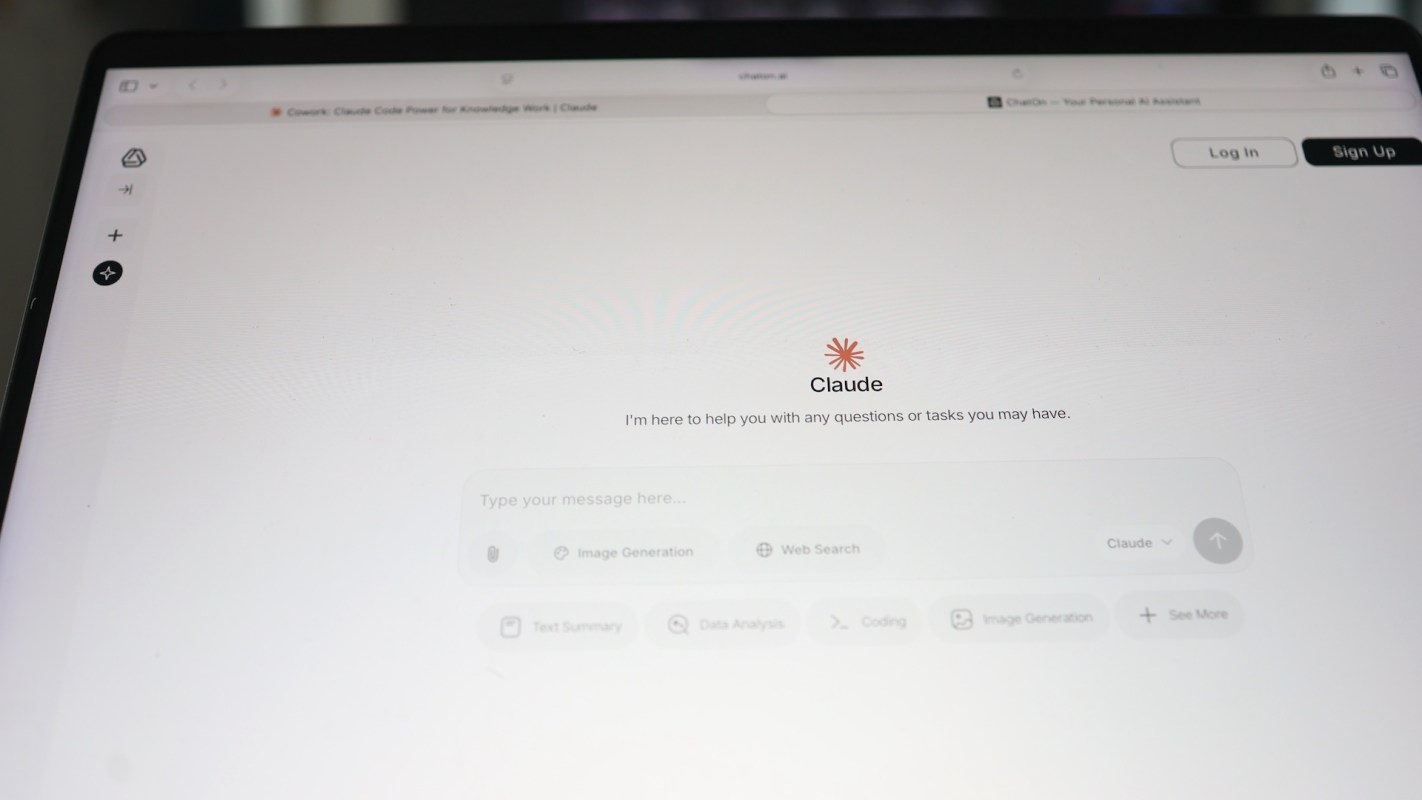
Anthropic's decision to watermark Claude-produced writing is drawing angry reactions in online AI communities.
For users hoping to pass off AI-assisted writing as fully human, the feature looks more like a liability than a safeguard.
Here's what to know
Concern took off after Anthropic revealed, as reported by Futurism, that Claude would insert detectable markers into its output. The company says the feature is meant to identify text the chatbot generated or edited, but many users immediately saw it as a threat to anonymity.
Reddit users were among the most upset.
In r/ClaudeAI, one poster wrote, "This watermark is the dumbest f***ing thing I've ever heard in my life. Are they going to ask you to provide an ID so you can write non-watermarked text?"
Some of the pushback came as jokes instead of outrage.
TCD Picks » Quince Spotlight
💡These best-sellers from Quince deliver affordable, sustainable luxury for all




"I thought it was already watermarking text by including an em dash every 4 words," one commenter joked.
Anthropic has said the change is connected to the European Union's 2024 AI Act, which requires AI companies to label content their tools generate or edit.
According to that report, the watermark comes from slight shifts in word choice that are not supposed to be noticeable on their own, even though a detection system can find the pattern across a longer passage.
More background
While many Reddit commenters agreed on the benefits of improving AI detection tools to catch those passing off fully AI-generated work as their own with no real manual involvement to understand, produce, and own the final output, part of what is intensifying the dispute is that watermarking is far from foolproof.
Anthropic says the signal should "persist through some editing," but rewriting the text with another chatbot could potentially erase it, leaving a system that may catch casual users while doing less to stop determined bad actors. It may also flag a user who is merely using AI to improve their writing or fact-check a statement, potentially grouping them in the same detection as someone who just fed a teacher's assignment prompt with minor added parameters and had AI do all the work.
"Who will get caught? You. The student who used Claude to reorganize a paragraph. The journalist who asked the AI to summarize a two-hundred-page transcript. The writer who had creative block and asked for synonyms," one Reddit user wrote in r/artificial. "Those guys come out of the process with a digital tattoo on their forehead."
That anxiety taps into a broader debate over how AI should be used at work and school. These tools can save time, summarize long documents, and help brainstorm ideas, but they also raise concerns about plagiarism, fraud, misinformation, and trust.
What's being done?
Companies and regulators are moving toward more disclosure, not less.
Anthropic's watermark is one example of an industry push to label AI-generated content so employers, schools, publishers, and platforms can better judge what they are reading.

Get TCD's free newsletters for easy tips, smart advice, and a chance to earn $5,000 toward home upgrades. To see more stories like this one, change your Google preferences here.






