


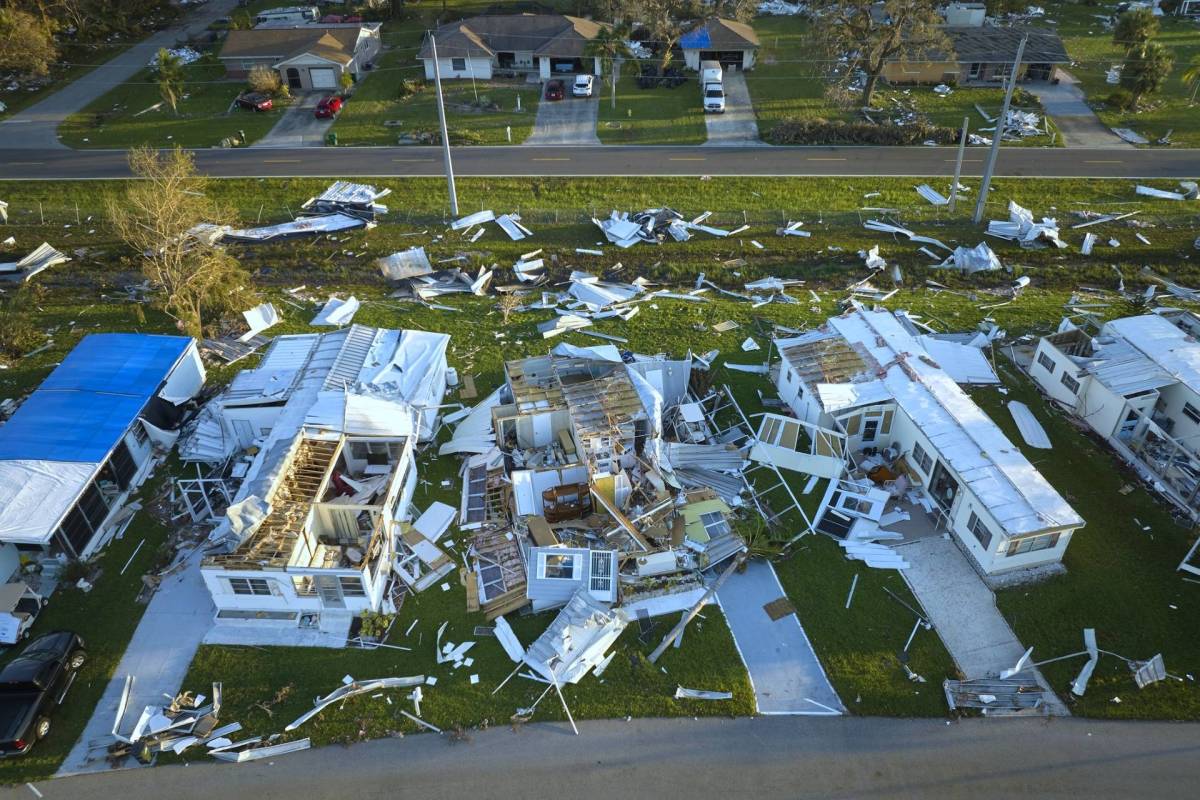
As home and auto coverage becomes more expensive, insurers often point to worsening risk as the reason.
However, a new investigation has argued that explanation is incomplete, saying insurers are also keeping a larger share of the premiums customers pay.
Here's what to know
In a YouTube video, More Perfect Union producer and host Sam Black examined how insurance companies use customer payments.
The investigation centered on a question many households are asking as bills keep climbing: If rates are increasing so quickly, why does coverage still feel harder to use and less affordable?
More Perfect Union said the industry has linked premium increases to greater exposure, including more expensive disasters and claims. But this explanation covers only part of what is happening.
According to the investigation, insurers are now retaining more premium money than in the past, which means a smaller share of what customers pay goes back out as claims.
TCD Picks » Quince Spotlight
💡These best-sellers from Quince deliver affordable, sustainable luxury for all




Insurance is often unavoidable, so when companies raise premiums while protecting their margins, many people are left with few options beyond paying more, reducing coverage, or going without.
More background
Mortgage lenders generally require homeowners insurance, and drivers in most places cannot legally operate a vehicle without appropriate coverage.
When premiums rise, the cost of simply participating in modern life rises with them. Higher insurance bills can eat into savings, delay home purchases, and make it harder for people to recover after storms, crashes, or other emergencies. Even policyholders who never file a claim can end up feeling penalized by annual increases they do not fully understand.
The concern raised by the investigation is not just that insurance is expensive, but that the business model may reward companies even as consumers take on more risk and uncertainty. Many Americans are told rising bills are unavoidable, even when it remains difficult to see exactly how much of those payments are going toward claims, operating costs, or profits.
What can be done?
Investigations like this can pressure regulators and lawmakers to scrutinize rate increases more closely and demand clearer disclosures from insurers.
If companies say rising risk justifies higher premiums, consumer advocates can push for public accounting to show where premium dollars are actually ending up.
For individuals, the options are more limited. Consumers can regularly compare policies, ask insurers to explain rate changes in writing, review deductibles and exclusions carefully, and document home or vehicle conditions that may help them qualify for discounts.
It can also help to understand the fine print before a crisis hits. Knowing what a policy covers — and what it does not — can help prevent costly surprises later.
For homeowners and drivers, the cheapest plan is not always the best value if it leaves major gaps when a claim is needed most.

Get TCD's free newsletters for easy tips, smart advice, and a chance to earn $5,000 toward home upgrades. To see more stories like this one, change your Google preferences here.






