


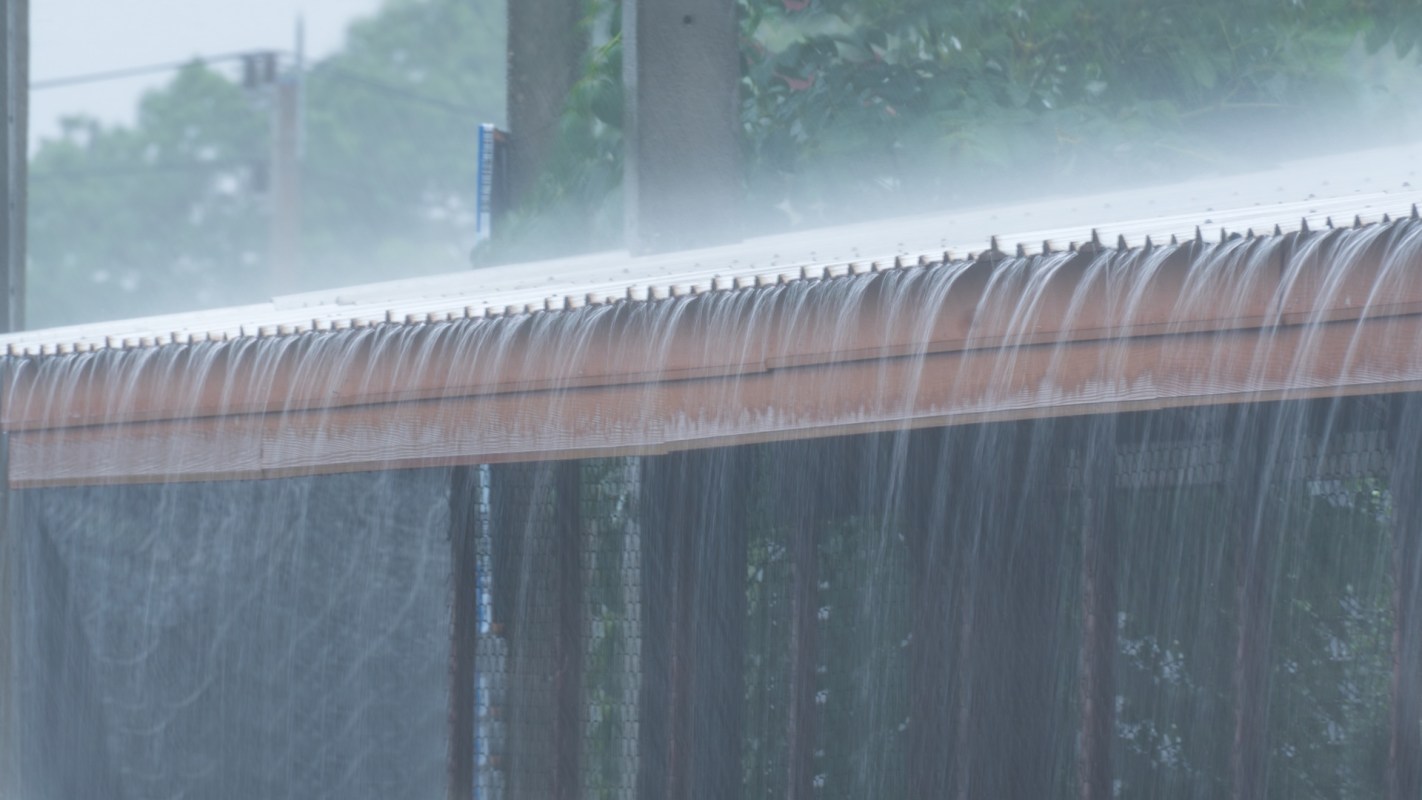
For people interested in homesteading, rainwater collection can seem like one of the most practical ways to cut utility bills and gain a little more independence.
But one online discussion shows how quickly that money-saving idea can get complicated when the roof becomes part of the problem.
Here's what to know
Posting to Reddit's r/Homestead community, a homesteader explained that their metal roof had been coated with an elastomeric reflective coating and asked whether rainwater running off it could ever be safe to drink, even after filtration.
The homeowner added that the research they had done so far raised concerns about chemicals potentially leaching from the coating.
"Would you drink filtered water with a roof with such a coating or am I overthinking this?" the original poster asked, adding that the collected water had already been used for clothes washing and the dishes, but not for drinking.
One commenter explained that, "Plastics degrade in UV light. Some of them rapidly. You don't just need information on this material's toxicity. You need information on this material's toxicity under UV weathering, thermal weathering, and chemical degradation."
TCD Picks » Quince Spotlight
💡These best-sellers from Quince deliver affordable, sustainable luxury for all




Another commenter took an even more cautious view, saying, "I wouldn't risk it. Those coatings leach over time. A food-grade collection surface is worth it."
A third wrote, "You might need to find an industrial chemist to help you there."
More background
Rainwater harvesting appeals to many households because it can reduce reliance on tap water, help during droughts or shortages, and support a more self-sufficient lifestyle.
For nonpotable uses such as irrigation, cleaning, or flushing, many people are comfortable collecting runoff with fewer concerns.
In this case, though, commenters drew a sharper line for water intended to be consumed, with one homesteader writing, "There's no way in hell that company is going to give you any kind of indication that it's safe to drink because it's not designed for that. You're asking them to take on liability for your life and your family's life. That's just not realistic."
Commenters did not suggest that rainwater harvesting is entirely off-limits. Instead, they recommended separating nonpotable uses from drinking-water use unless the collection surface is clearly suitable for potable water.

Get TCD's free newsletters for easy tips, smart advice, and a chance to earn $5,000 toward home upgrades. To see more stories like this one, change your Google preferences here.







