


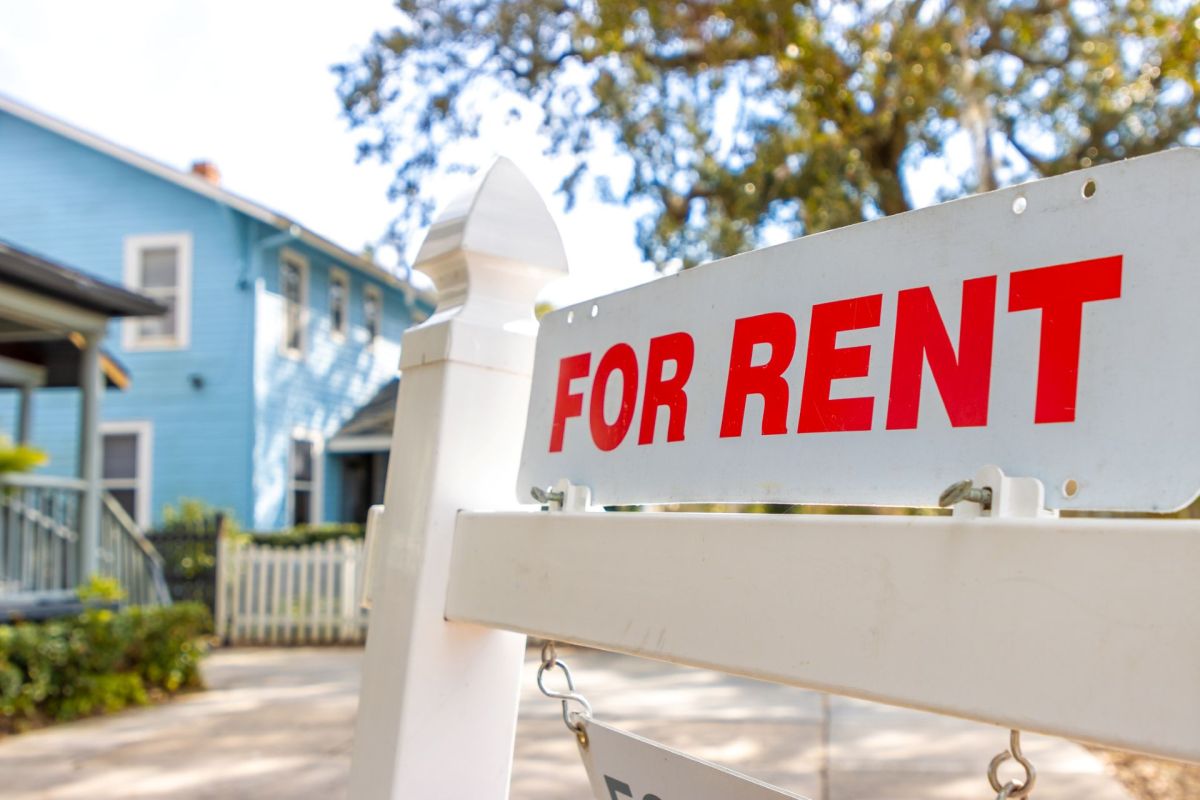
A Southern California renter thought she got a lucky break while searching for a new home: A two-bedroom bungalow near her family was priced slightly below what she expected for the area.
But the promising rental turned out to be a scam, costing her more than $2,500.
Here's what to know
According to CyberGuy, the person was duped by a fraudster who used stolen video footage, phone calls, and promises of refunds to convince the would-be renter to pay a deposit.
The outlet reported that the person posing as the landlord claimed a showing of the home was not possible because the occupants were moving out. Instead, he offered a polished video walkthrough to make the rental seem legitimate.
The footage did show the home — but it did not belong to him.
It had been pulled from an older listing; the property's owner still lived there and had never offered the house for rent, CyberGuy reported.
TCD Picks » Quince Spotlight
💡These best-sellers from Quince deliver affordable, sustainable luxury for all




The scheme moved forward after an application fee was paid, and the fake landlord requested a Zelle payment described as a refundable deposit. Once the renter tried to get the money back, their contact went silent.
According to the report, cases such as this are not uncommon.
CyberGuy noted there were 12,368 real estate fraud complaints in 2025 versus 9,359 in 2024. The FBI said losses rose from $174 million to $275 million.
More background
These scams thrive on urgency.
When rents are high and competition is intense, a low-priced listing can feel like a one-time opportunity. Scammers know that waiting may feel riskier than sending money.
Fraudsters often steal photos, descriptions, and even video tours from legitimate listings before reposting them elsewhere with different contact information.
Some also use fake applications to collect Social Security numbers, driver's license images, and other sensitive personal data.
When affordable housing feels out of reach, scam listings can become even more appealing.
What can be done?
The most important step is to verify a listing before sending any payment.
Renters can run the address through search engines, compare what turns up across listings, and try reverse-image tools such as Google Lens to see if the photos surface elsewhere, CyberGuy reported.
The outlet also noted it helps to confirm ownership or management independently. That can include checking county property records or contacting a leasing office directly.
Experts also warn against sending deposits or application fees before seeing the property in person. If a landlord refuses an in-person tour; asks for payment through gift cards, wire transfers, cryptocurrency, or peer-to-peer apps; or says an assistant is collecting money under another name, that is a major red flag.
If money has already been sent, CyberGuy said consumers should contact their bank or payment service immediately, save screenshots and receipts, and report the scam to the Federal Trade Commission and FBI's Internet Crime Complaint Center.

Get TCD's free newsletters for easy tips, smart advice, and a chance to earn $5,000 toward home upgrades. To see more stories like this one, change your Google preferences here.






