


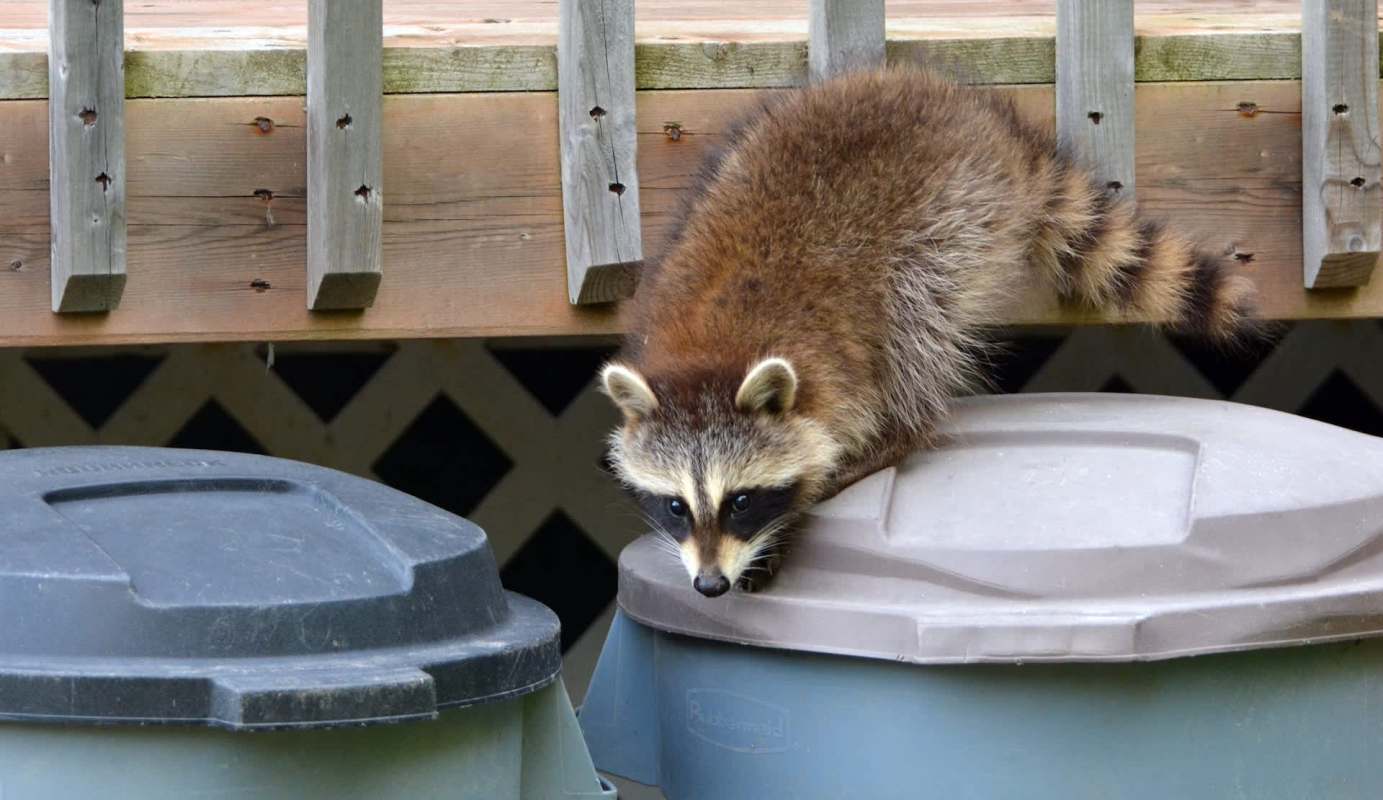
An exhausted raccoon trapped inside a dumpster got help when a passerby built a makeshift ramp, allowing the animal to climb out on its own. The wildlife rescue drew attention because it showed how a simple fix can help animals escape the hazards of human spaces.
Here's what to know
The story appeared in Reddit's r/Raccoons forum, where the original poster said the animal had ended up inside a dumpster. They added that the "poor thing was super thin and frail."
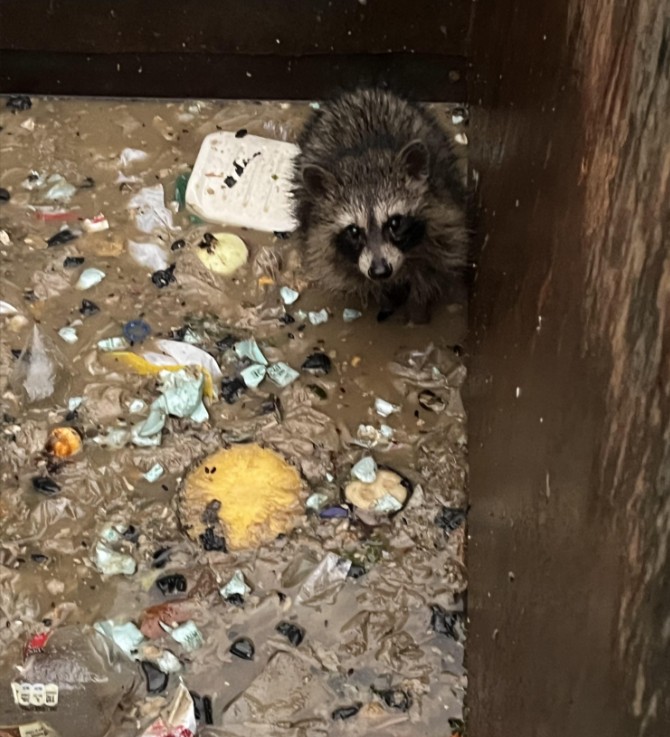
Rather than attempting to pick up the adorable animal, the OP created a makeshift path so the raccoon could get out safely. As the raccoon was escaping the dumpster, "he sniffed my hand, I felt his claw… [and he] went about his day."
While raccoons are known for adapting to city and suburban life, dumpsters can serve as both a food source and a trap. Their steep metal walls make climbing difficult, especially for young, injured, dehydrated, or malnourished animals.
More background
Not every wildlife emergency begins in a forest or remote area. Sometimes it starts in a parking lot, behind a store, or anywhere an animal crosses paths with the infrastructure people use every day.
Raccoons are often drawn to neighborhoods, alleys, and commercial areas because trash and food are readily accessible. But the same built environment that attracts them can also put them in harm's way.
TCD Picks » Quince Spotlight
💡These best-sellers from Quince deliver affordable, sustainable luxury for all




A dumpster is a clear example of this. Once an animal gets inside, smooth walls and heat exposure can turn it into a dangerous enclosure.
What can be done?
It might sound counterintuitive, but preventing animals from getting at the food sources they desire may keep them safe. Securing trash, keeping dumpster lids closed, and avoiding loose food waste can make an area less attractive to wildlife looking for an easy meal.
If someone spots a trapped animal, the safest response is to avoid direct handling. Wild animals can panic when cornered, and even well-intentioned rescue attempts can lead to bites, scratches, or more stress for the animal.
When possible, creating a safe exit route from a distance, like in this case, may be enough. If an animal appears injured, severely weak, or unable to move, local animal control, wildlife rehabilitators, or other trained responders are often the best next call.

Get TCD's free newsletters for easy tips, smart advice, and a chance to earn $5,000 toward home upgrades. To see more stories like this one, change your Google preferences here.







