


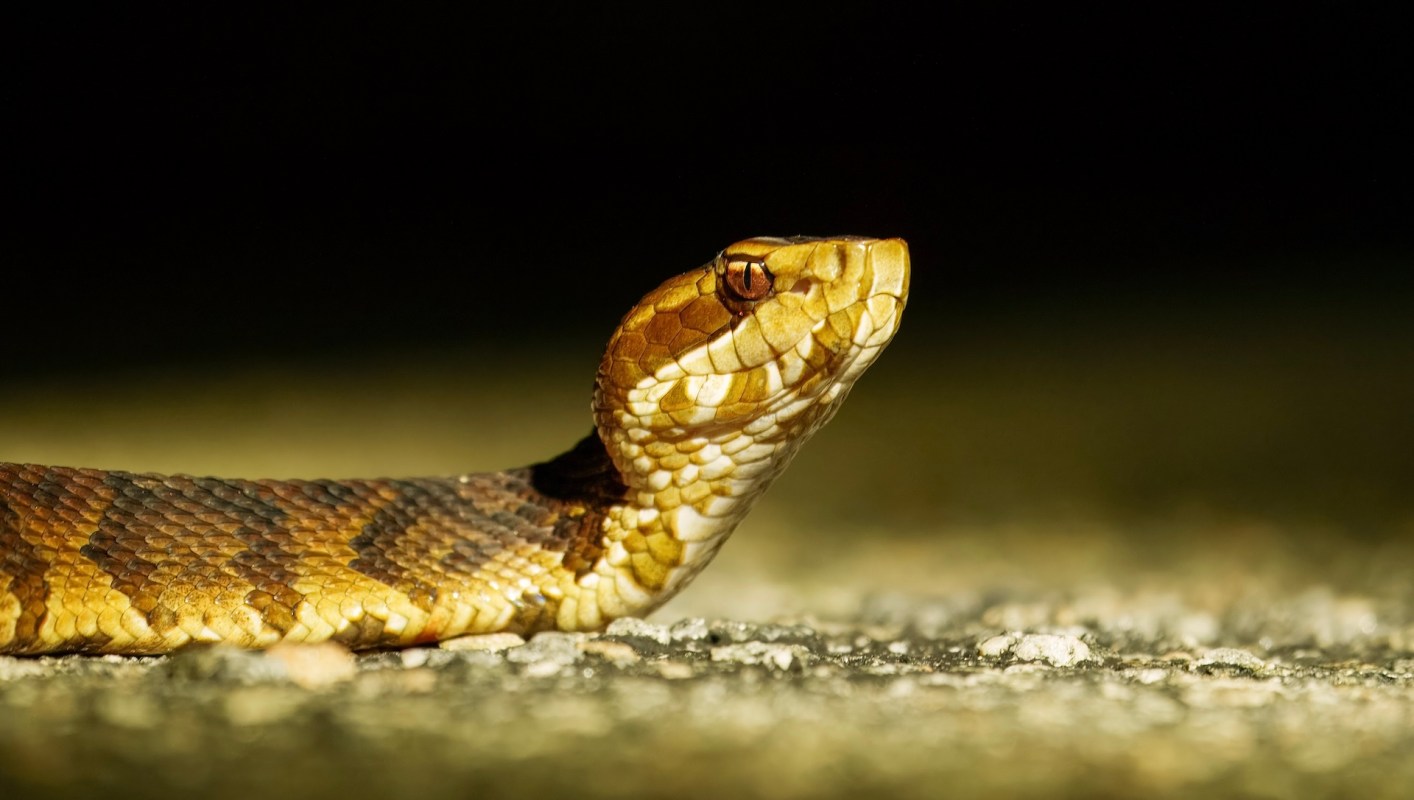
A venomous cottonmouth moving silently across open water can turn a walk into a startling wildlife encounter. That was the scene captured in a striking video showing a water moccasin gliding in plain view near a walking path.
Here's what to know
Shared in a post on Reddit, the image captures a cottonmouth, which is also known as a water moccasin, moving through the water alongside a walkway.
(Click here to watch the embedded video if it doesn't appear.)
Cottonmouths are venomous pit vipers that typically live in the southeastern United States and are commonly associated with wetlands and slow-moving water. Seeing one in the water is not unusual in itself.
Trails, neighborhood ponds, drainage features, and other developed edges often cut directly through habitat that snakes and other wildlife already occupy.
Why does it matter?
Cottonmouth sightings tend to spark alarm because the species is venomous, but that does not mean every encounter is an emergency.
TCD Picks » Quince Spotlight
💡These best-sellers from Quince deliver affordable, sustainable luxury for all




In many cases, snakes are simply traveling, basking, or hunting and want to be left alone. Problems usually arise when people get too close, try to handle the animal, or accidentally corner or startle it.
The same lakes, marshes, and stormwater areas that help manage runoff and support local ecosystems can also provide habitat for animals many people would rather avoid.
A quick scan near shorelines, overhanging vegetation, and path edges can help prevent a surprise encounter. Children and pets may be more likely to approach before realizing what they are looking at.
What can be done?
Giving snakes space is always the safest decision to make for everyone involved.
If you spot a cottonmouth or any unidentified snake near water, do not approach it, try to move it, or attempt to photograph it from close range. Back away slowly, and keep pets leashed and close beside you.
It also helps to stay especially alert in areas where built environments meet natural water. Walking paths around ponds and wetlands can look highly managed, but they are still wildlife corridors.
Staying on the trail, watching where you step, and avoiding tall shoreline vegetation can reduce the chance of an unwanted surprise.
Around the home, limiting clutter near water features, keeping grass trimmed, and securing pet food can make an area less attractive to prey animals that snakes may follow.
If a venomous snake is in a high-traffic residential area, local animal control or a qualified wildlife professional are the safest people to call.
Users in the r/snakes subreddit took to the comments to share their appreciation of the video.
One Redditor said, "Looks like a very healthy specimen. Beautiful snake."
Another person commented, "Always surprises me how buoyant they look when cruising the shallows."

Get TCD's free newsletters for easy tips, smart advice, and a chance to earn $5,000 toward home upgrades. To see more stories like this one, change your Google preferences here.







