


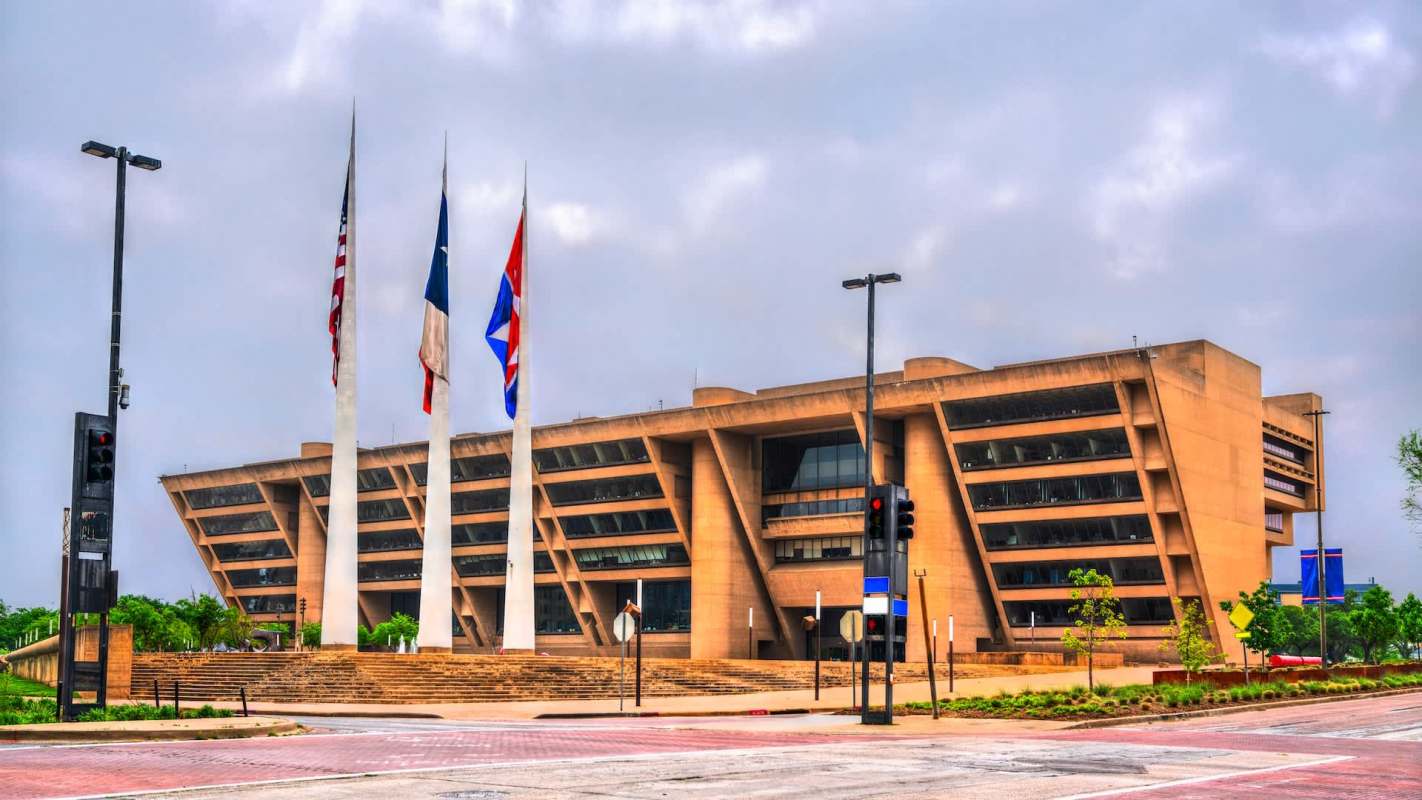
City leaders say Dallas is confronting a serious budget strain of the kind now hitting many big cities, with a projected $51 million gap driven by weaker tax growth, inflation, and higher public safety costs.
Here's what to know
As the city council prepared for a budget briefing, officials described a local government struggling to absorb steadily rising expenses, the Dallas Observer reported. To help keep the budget balanced, Dallas has already turned to furlough days, travel bans, and hiring freezes.
Kimberly Bizor Tolbert, the Dallas city manager, warned council members that the problem will not stop after a single budget cycle, either. In the draft budget for fiscal year 2026-27, the city is working through a similar deficit even as officials consider a proposed $5.66 billion overall budget, which would be a city record.
Some of the pressure is specific to Dallas, but many of the challenges are the result of statewide policies. Texas law bars cities from increasing property tax revenue growth above 3.5% without voter approval. That means that a municipality's payroll, pension, and service costs can keep climbing even as one of a city's main revenue sources remains tightly restricted.
Jack Ireland, a former Dallas chief financial officer, told council members that the issue extends far beyond Texas, with large cities nationwide facing budget shortfalls.
For example, The Pew Charitable Trusts found budget gaps in 20 of the 25 biggest U.S. cities.
TCD Picks » Quince Spotlight
💡These best-sellers from Quince deliver affordable, sustainable luxury for all




More background
Dallas is far from the only Texas city facing a shortfall. Houston officials in April projected a $174 million budget deficit; Austin's city manager proposed a property tax increase at the maximum allowed rate to help close a $26.4 million budget deficit; Fort Worth is facing a shortfall of nearly $80 million; and San Antonio's deficit is expected to exceed $158 million by 2027.
Cities outside Texas are also dealing with a similar financial squeeze. Sacramento and San Francisco have both grappled with major deficits during recent budget cycles.
Officials have cited the end of pandemic-era federal aid as part of the reason finances have tightened for municipalities. The money that once helped cities expand staffing and services has dried up, while many of the ongoing costs remain.
"A lot of [the budget issues] basically break down to labor costs, particularly health care and pension costs for various city workers, which have been rising a lot faster than inflation and also faster than the revenue of these cities," Derek Stimel, an economics professor at the University of California, Davis, explained to ABC10 in California.
The result likely will be further belt tightening. In Dallas, the draft budget would eliminate a copay healthcare plan for city employees and would stop covering GLP-1 drugs prescribed only for weight loss.
What's being done?
With Dallas officials still shaping the final budget plan, many details remain to be seen. The city council can revise the proposal, preserve programs that might otherwise be cut, or strike line items before approving a final budget by late September.
The new budget will take effect October 1.
Despite the deficits, Dallas' city budget continues to grow, with much of the increased spending expected to go toward public safety. This is due in large part to voter-approved Proposition U, which set targets for police hiring, entry-level salaries, and pension payments.
Meanwhile, other cities have been taking a variety of approaches, from layoffs in Denver to tax increases in Austin. The one constant is that local governments everywhere appear to be scrambling to hold services together even as costs continue to outpace revenue.
Texas policy experts have been clear-eyed about what may come next. John Diamond, senior director of the Center for Public Finance at the Baker Institute for Public Policy at Rice University, told The Texas Tribune: "There will have to be some significant belt-tightening [across Texas]."

Get TCD's free newsletters for easy tips, smart advice, and a chance to earn $5,000 toward home upgrades. To see more stories like this one, change your Google preferences here.






