


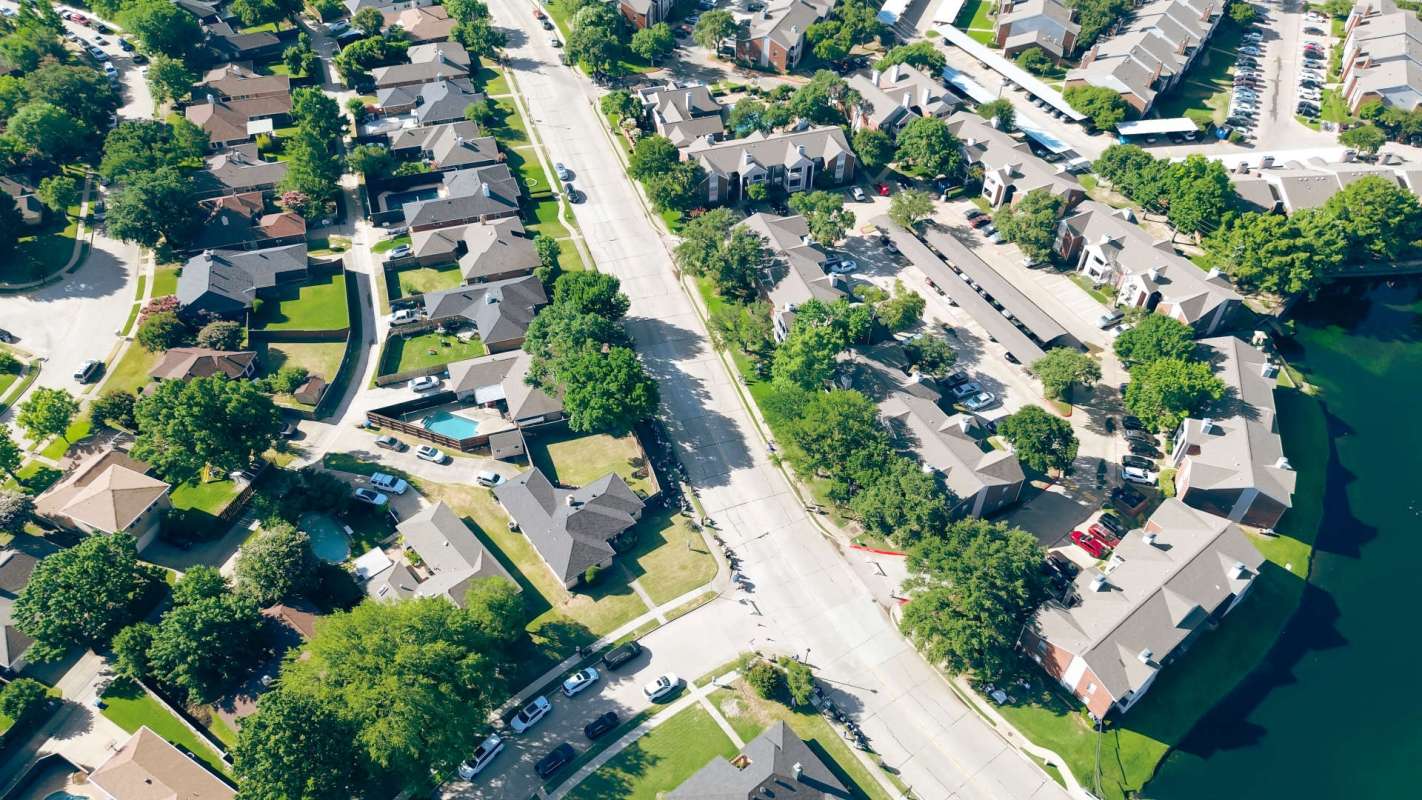
As Texas communities expand, volunteer HOA boards are facing a broader workload and more expectations around how they make decisions.
Choices that might once have been handled informally may require advance notice, written rules, and votes taken in an open meeting, HousingWire reported.
Here's what to know
Running a Texas HOA increasingly means dealing with larger, more complex communities while also adhering to stricter procedural requirements.
Those rules can influence how boards approach issues ranging from fines and budgets to repair work and disagreements with homeowners.
In a column for HousingWire, Nikkole Luna, Regional President for Texas at RealManage, said the pressure is increasing as the state expands.
She noted that between mid-2024 and mid-2025, Texas had five of the country's fastest-growing cities with populations above 20,000, including four in the Dallas-Fort Worth area.
TCD Picks » Quince Spotlight
💡These best-sellers from Quince deliver affordable, sustainable luxury for all




Many of the changes stem from Senate Bill 1588, which took effect in 2021 and broadened notice requirements for regular board meetings.
It generally requires boards to consider certain matters in an open meeting after giving homeowners advance notice, including fines, dues increases, one-time assessments, foreclosure actions, annual budgets, certain enforcement issues, and large capital projects.
As Luna explained, eligible associations in Texas must also have their fine-enforcement rules in writing.
That policy needs to identify which violations can lead to penalties, set the fine amounts, and explain a homeowner's hearing rights.
More background
HOA decisions can directly affect both monthly costs and residents' daily lives.
A budget increase, a delayed repair, or a violation notice can feel arbitrary if homeowners do not understand how a decision was made or what options they have for responding.
The rules also place greater importance on recordkeeping.
Homeowners in some communities have clearer rights to review association information, while boards may need to provide more detailed explanations when denying architectural requests or preparing for enforcement hearings.
If records are spread across personal email accounts, that process can become much more difficult.
HOAs across the country have also faced criticism for blocking home upgrades.
When communities lack clear procedures, residents can encounter confusing or inconsistent roadblocks when trying to make changes.
The pressure can grow even stronger when communities shift from developer control to homeowner leadership.
As Luna noted, new volunteer directors may suddenly find themselves overseeing a sizable budget, existing contracts, and long-range maintenance choices despite limited experience.
What can be done?
Better structure includes setting consistent agenda processes, keeping governing documents and decision records in a shared system, and clearly explaining what was decided.
Boards can also reduce conflict by making communication more predictable.
If homeowners know the usual official channel for updates and the proper place to ask questions, they are less likely to receive mixed messages or feel ignored.
It can help to start by learning more about how to work with HOAs.
Regular policy reviews and board education can support both sides as well.
The more clearly a community documents its rules, hearings, and appeal options, the less likely residents are to be blindsided by costly or frustrating decisions.
"Volunteer directors need enough structure, support and reliable information to make sound decisions with confidence," Luna wrote. "With that foundation in place, boards can adapt to new requirements while staying focused on the day-to-day work of serving the community."

Get TCD's free newsletters for easy tips, smart advice, and a chance to earn $5,000 toward home upgrades. To see more stories like this one, change your Google preferences here.






