


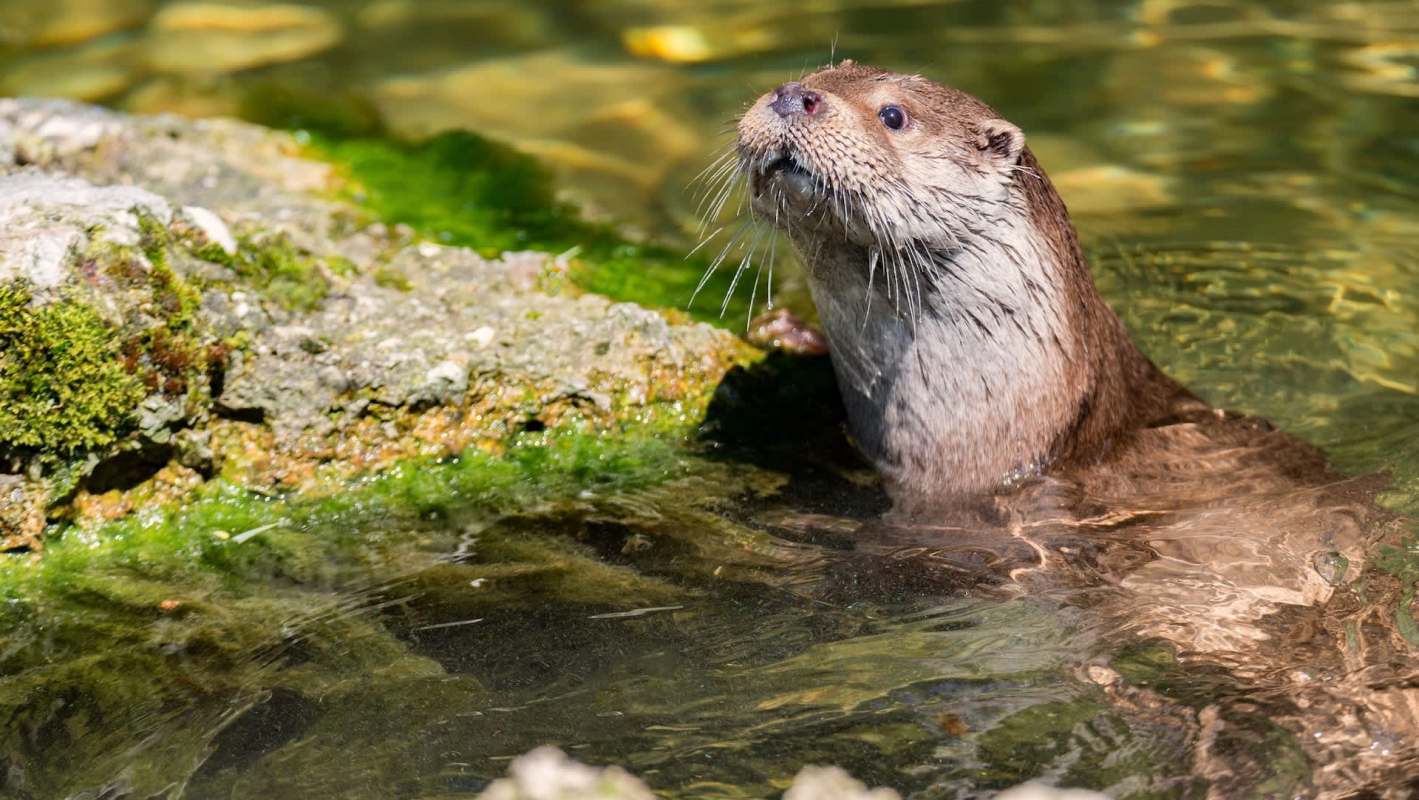
A river otter, not the green heron he had set out to photograph, became a surprise subject for one photographer at Ontario's Grimsby Wetlands.
In a habitat that was once heavily degraded, that unusual sighting may be a sign that conditions have improved enough to support more sensitive wildlife again, CBC News reported.
Here's what to know
Wildlife photographer Terry Chettle encountered the otter on Aug. 3 while shooting at the Grimsby Wetlands, according to CBC News.
Chettle said the otter first provoked a heron, then climbed onto a log and appeared to hold still for photos.
"It put on a show for me," he said. "Kind of gave me the tongue out and the wave."
Bruce Mackenzie, the Hamilton Naturalists' Club's wetlands project manager, told CBC Hamilton he knew of no other otter sightings nearby, given how unusual the species is in that area.
TCD Picks » Quince Spotlight
💡These best-sellers from Quince deliver affordable, sustainable luxury for all




Along Lake Ontario's south shore, the roughly 30-acre (12-hectare) wetland was formerly used by Niagara Region to store sewage. After restoration, it became a popular spot for hiking and bird-watching.
The sighting "speaks well of habitat restoration and water quality," Mackenzie told CBC Hamilton.
More background
River otter sightings in southern Ontario are being seen as evidence that long-term restoration work is delivering results.
In the 1800s, river otter numbers fell sharply across North America because of hunting, habitat destruction, and polluted waterways.
Laura Timms, a program manager in natural heritage management at Credit Valley Conservation, described otters as "a conservation authority success story."
Her organization said documented sightings are occurring more often, including in conservation areas where otters have had pups.
Healthy wetlands help clean water, reduce flooding, and store carbon while also creating natural spaces where communities can walk, bird-watch, and connect with the outdoors.
Least bitterns, a species listed as threatened in Ontario, are among the rare wildlife already known to use the Grimsby Wetlands.
The otter sighting adds to the case that restoration can revive places once thought to be too damaged to rehabilitate.
What's being done?
Timms told CBC News that otter populations are recovering after "decades of effort" to restore degraded habitat, suggesting the rebound is closely tied to environmental recovery.
Groups such as the Hamilton Naturalists' Club are helping manage and maintain restored spaces so they can support a wider range of species.
Those efforts also strengthen local landscapes that communities rely on for cleaner water and greater resilience to extreme weather.
Timms noted that many species still face serious challenges, especially as wetland loss remains widespread.
"We're quite excited about different species showing up," Mackenzie said. "They indicate that kind of life can be sustained because of the rewilding of the Golden Horseshoe."

Get TCD's free newsletters for easy tips, smart advice, and a chance to earn $5,000 toward home upgrades. To see more stories like this one, change your Google preferences here.







