


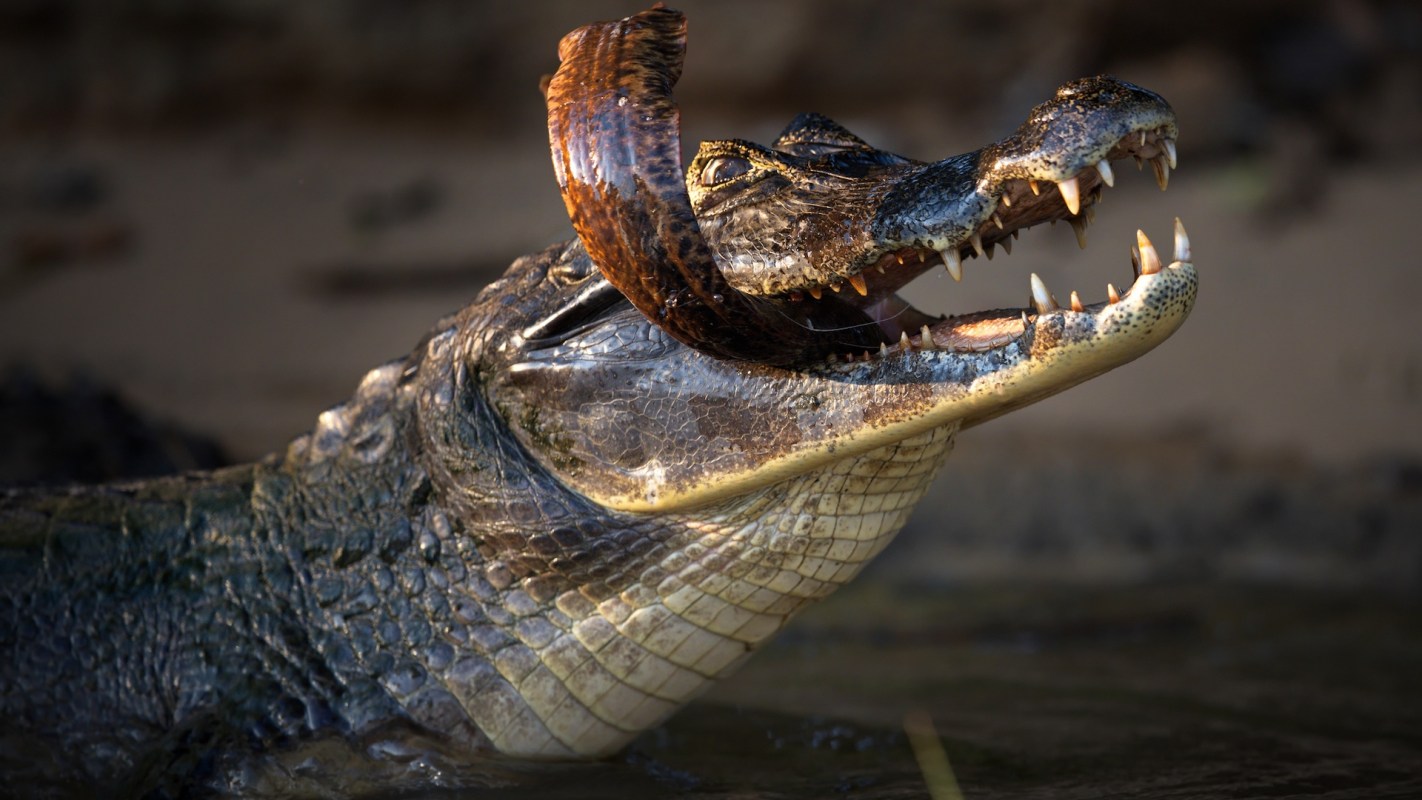
Florida's long coexistence with alligators comes with a sobering statistic: State records show nearly 500 reported attacks on people since 1948, including 33 that proved fatal.
While the attacks remain relatively uncommon, the tally is a reminder that ordinary activity around the state's waterways can sometimes end in tragedy.
What's happening?
As reported by ClickOrlando, newly released data from the Florida Fish and Wildlife Conservation Commission puts the statewide total at about 500 reported alligator attacks since record-keeping began in 1948.
More than 150 of the cases were labeled minor, meaning victims needed little or no treatment. Nearly 350 were classified as major because medical care was required, and 33 attacks ended in death.
The outlet noted a fatal case was recorded in June 2026, when a 31-year-old woman who was swimming with friends in the Econlockhatchee River in Seminole County later died from her injuries.
ClickOrlando noted that fatal encounters have occurred not only while people were swimming or snorkeling, but also during everyday activities such as gardening, landscaping, walking dogs near retention ponds, canoeing, and even when children were playing along the water's edge.
TCD Picks » Quince Spotlight
💡These best-sellers from Quince deliver affordable, sustainable luxury for all




Why does it matter?
Many of the deadliest incidents happened in places people often think of as familiar and routine, including neighborhood ponds, canals, parks, golf courses, and popular swimming areas.
Florida's continued growth has pushed more homes, roads, and recreational activity into spaces that overlap with alligator habitat. Retention ponds, canals, and landscaped shorelines can bring people and pets into close proximity with large predators, even in heavily developed neighborhoods.
A short walk near the water, a swim in a freshwater area, or yard work along a shoreline can carry serious consequences if people let their guard down.
What can I do?
Florida wildlife officials have kept records since 1948, helping the state identify patterns, warn the public, and respond to dangerous encounters.
Wildlife officials say people should treat any freshwater shoreline as a place where an alligator could be nearby. In practice, that means staying back from the water's edge, supervising children closely, and keeping pets from roaming or drinking near ponds, canals, rivers, or lakes.
Risk can also be reduced by avoiding swims in places where alligators may be present unless the location is clearly designated and monitored. Homeowners who live near water can improve shoreline visibility and report aggressive or nuisance alligators to wildlife authorities instead of trying to handle the problem themselves.

Get TCD's free newsletters for easy tips, smart advice, and a chance to earn $5,000 toward home upgrades. To see more stories like this one, change your Google preferences here.







