


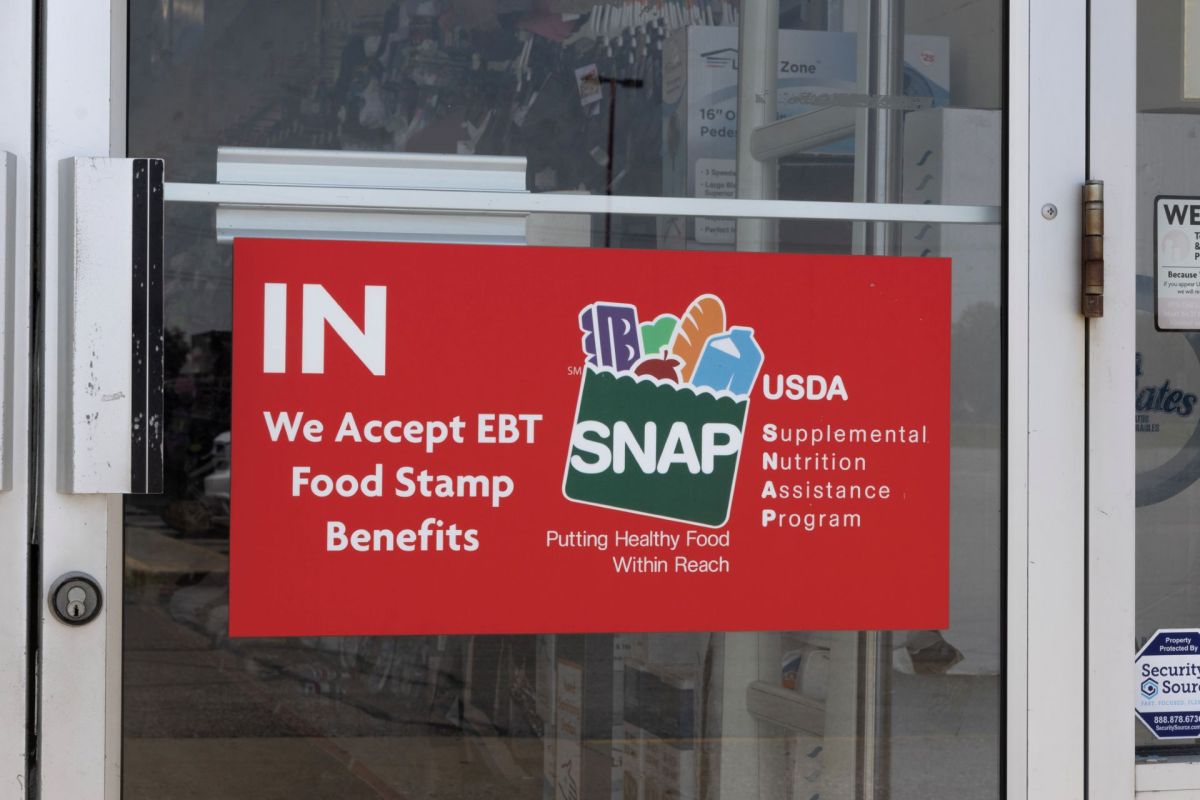
By late 2027, Texas taxpayers may have to cover up to $826 million a year in new SNAP expenses if the state does not lower its payment error rate fast enough. The potential cost increase comes from federal policy changes affecting a program that has historically been funded mostly by Washington.
What's happening?
According to KSST Radio, new federal rules are set to move a larger share of Supplemental Nutrition Assistance Program (SNAP) costs onto states.
Starting in October 2026, Texas would be responsible for 75% of SNAP administrative costs instead of 50%. The Texas Health and Human Services Commission said that change by itself would raise the state's annual costs by $117 million.
A separate change is slated for October 2027. Under that rule, states with payment error rates above 6% would have to cover 5% to 15% of total SNAP benefit costs. Since Texas' error rate is about 9%, officials estimate that penalty would run roughly $708 million to $709 million per year.
Combined, the two changes would leave Texas with about $826 million in new yearly costs, a major shift from the current arrangement, where SNAP food benefits are entirely paid for by the federal government.
Why does it matter?
SNAP serves about 3.1 million Texans, including 1.5 million children. Households receive nearly $400 a month on average through EBT cards, helping them buy groceries while dealing with tight budgets.
TCD Picks » Quince Spotlight
💡These best-sellers from Quince deliver affordable, sustainable luxury for all




Advocates and state officials argue that the payment error rate behind the policy is often confused with fraud. They say many errors stem from administrative issues, including changing work hours that affect income or delays in updating household information. Feeding Texas data said fewer than 0.1% of SNAP households commit fraud by falsifying applications.
Taking on hundreds of millions of dollars in added costs could push lawmakers to move money away from other public services or reduce support in other parts of the budget.
That pressure could make it harder for families to remain fed and financially stable. It could also place more strain on local food banks, which are already functioning as a safety net while grocery prices stay high.
What's being done?
The Texas Health and Human Services Commission is trying to get the state's payment error rate below 6% before October 2027 by upgrading technology, retraining caseworkers, and changing internal processes.
Officials have said that kind of improvement takes time across a state with 254 counties. Because the penalty deadline arrives after the legislative budget cycle, lawmakers will need to decide whether to set aside money for possible federal penalties or ask for more time to comply.
"Food banks across Texas are already operating at or near capacity," hunger-relief networks including Feeding Texas and the North Texas Food Bank warned. "If state budgets are strained to cover administrative penalties, the ripple effect will directly impact local charitable food networks that are already struggling to keep up with high grocery costs."

Get TCD's free newsletters for easy tips, smart advice, and a chance to earn $5,000 toward home upgrades. To see more stories like this one, change your Google preferences here.






