


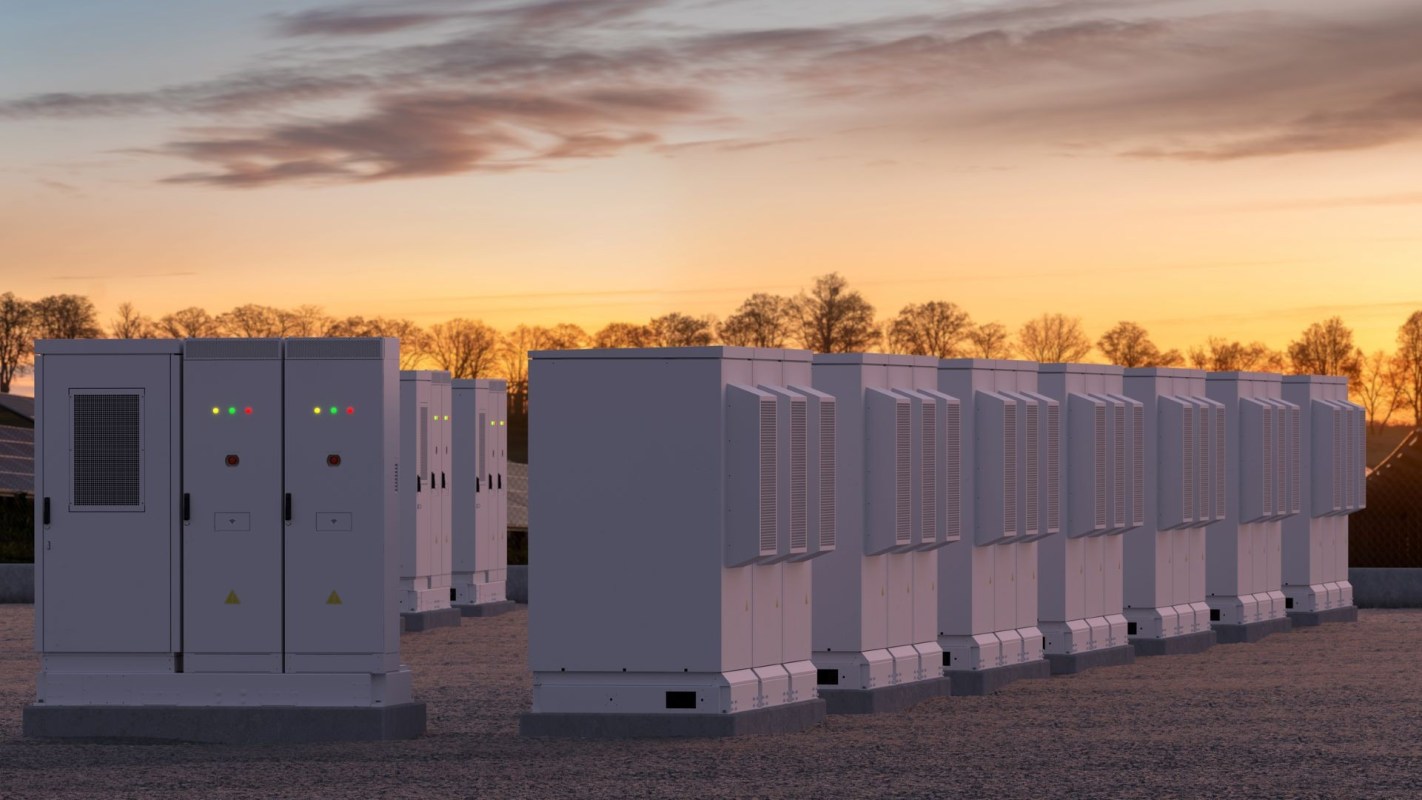
Tucson Electric Power says its latest battery project adds 400 megawatts of storage capacity that can feed electricity back to the grid within seconds when usage surges.
As extreme summer heat and monsoon storms test the system, some customers are asking whether the added reserve could also make a difference on their monthly bills.
What's happening?
At Roadrunner Reserve near Interstate 10 and Rita Road, TEP highlighted an expansion that the company describes as the largest battery storage installation in its system.
According to KVOA, the batteries store solar energy gathered earlier in the day and can return that power to the grid almost immediately when demand reaches its peak.
J.D. Wallace, TEP spokesman, said, "This could benefit our customers by helping to lower the fuel costs on their bills, because we are able to capture plentiful solar energy earlier in the day and then use that later in the day when demand is high."
The utility said the project's 400 megawatts of battery storage could help cover high-demand periods while cutting fuel expenses.
TCD Picks » Quince Spotlight
💡These best-sellers from Quince deliver affordable, sustainable luxury for all




Tom Rue, a TEP customer who lives near the site, said the extra storage may prove helpful when storms pass through the area, but he also worries the investment could eventually be reflected in customer bills.
Why does it matter?
Battery storage allows utilities to store solar power generated during sunny hours and use it later in the day, when people return home, switch on lights, run appliances, and turn up the air conditioning.
In a hot-weather state like Arizona, that kind of flexibility can help support a more stable grid during the most demanding hours of the day.
If utilities can rely on stored solar power instead of turning to more expensive fuels during peak periods, that can reduce some of the pressure pushing electricity costs higher. Battery storage also adds another layer of resilience during extreme weather, when outages or grid strain can quickly become a serious problem.
Thomas Koenig, a TEP customer, said, "I'm all for it, the rate hikes have been ludicrous recently. Frankly, anything they can do to decrease the cost is a good benefit."
What's being done?
TEP said this project is only the start, with additional battery storage developments expected.
Customers remain divided.
Rue said, "It sounds to me like eventually it is going to cost us more money," while Koenig said, "There are a lot of families out here. A lot of young families, so having that essential support from the power system is going to be a great comfort to them."

Get TCD's free newsletters for easy tips, smart advice, and a chance to earn $5,000 toward home upgrades. To see more stories like this one, change your Google preferences here.






