


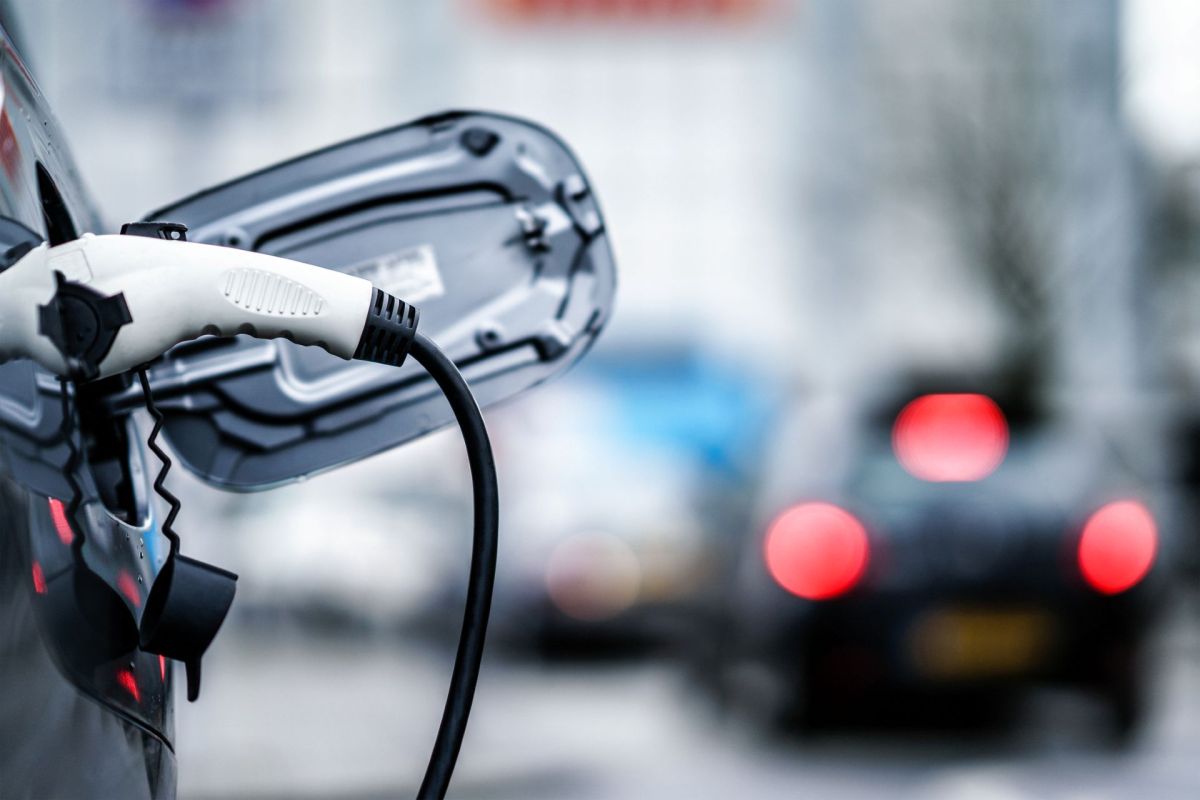
More Australian car buyers are choosing electric models over petrol-powered vehicles.
As ABC News reported, battery electric vehicles accounted for more than one in five new-car sales in July, marking the third straight month above that level as fuel costs rise and EV technology improves.
What's happening?
In July, Australians bought 23,510 battery electric vehicles, accounting for 21.7% of the new-vehicle market. That was just below June, when EVs hit a record 23.3% share.
EV market share has tripled, with higher petrol prices tied to the conflict involving Iran and the resulting fuel squeeze helping push more buyers toward electric models.
Toyota remained the top-selling brand overall, while BYD continued to gain ground.
Andrea Pellegrini, a lecturer and researcher at the Institute of Transport and Logistics Studies at the University of Sydney, said the sales numbers suggest more than a temporary jump.
TCD Picks » Quince Spotlight
💡These best-sellers from Quince deliver affordable, sustainable luxury for all




"Now actually we are kind of going into a phase where the market is becoming more mature," he said.
Social researcher Rebecca Huntley said global politics has unexpectedly shaped attitudes toward EVs.
"If you were to have a poster of the greatest influencer when it comes to EV take-up in Australia, it'd have Donald Trump," she said.
Why does it matter?
For many families, rising fuel prices are making EVs attractive for reasons beyond environmental ones. With gas prices climbing, and diesel much higher, avoiding regular trips to the pump can look increasingly appealing.
That change may also be upending older ideas about convenience and dependability.
Huntley said, "People started to go, oh my God, I might be going away on a weekend and I might not be able to get petrol."
Worries that once held some people back from buying EVs are now, in some cases, being directed at combustion-engine vehicles instead.
Pellegrini said several common concerns tend to ease once people begin using an EV themselves.
"They are less concerned about the waiting time, the driving range, but also they think that it is good value for money once they start driving the vehicle," he said.
Electric vehicles do not produce tailpipe pollution, and their climate impact can fall further when they are charged with rooftop solar or electricity from a cleaner power grid.
What's being done?
As EV sales grow, industry groups and researchers say charging access is becoming the next major test.
Tony Weber, chief executive of the Federal Chamber of Automotive Industry, said, "Accessible and dependable charging will be critical to maintaining consumer confidence as electric vehicles become a larger part of Australia's new-vehicle fleet."
Pellegrini said renters and apartment residents need more support because installing a private charger is far more difficult without homeownership. Public charging and solutions for shared residential buildings could therefore be crucial if EV adoption is to spread beyond detached homes with driveways.
For motorists able to plug in at home, the economics may already be persuasive.
Margaret Killen, an EV owner with rooftop solar, said, "It's been going really well, and I'm really pleased with my purchase."
She said charging at home during low-cost periods has helped bring down her running costs.
Huntley said the bigger issue is whether the transition's benefits will be widely shared.
"The biggest question is not, we don't want this; the biggest question is, is everybody going to get to share equally in this opportunity we have?" Huntley said.

Get TCD's free newsletters for easy tips, smart advice, and a chance to earn $5,000 toward home upgrades. To see more stories like this one, change your Google preferences here.






