


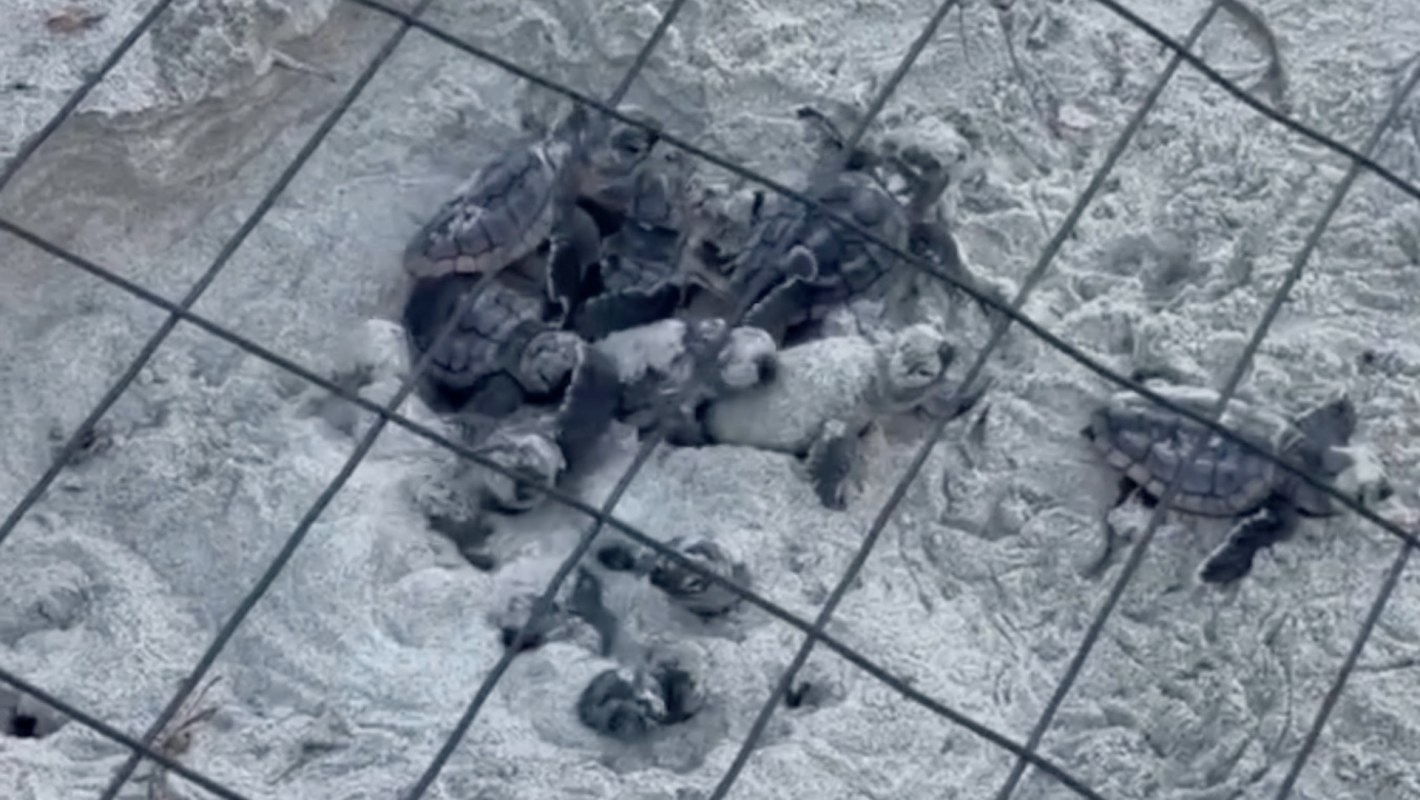
Kiawah Island in South Carolina is seeing a standout sea turtle season as hatchlings begin their race from nest to ocean. Wildlife officials have reported the number of turtle nests in the region is closer to 500, a surge that has given local volunteers, beachgoers, and conservation crews a rare piece of hopeful wildlife news.
What's happening?
According to WCBD, after recording roughly 200 sea turtle nests in 2024, Kiawah Island Turtle Patrol has counted 495 sea turtle nests this year along about 10 miles of beach on the shores of South Carolina. That total has already surpassed the island's second-highest season, recorded in 2022.
The outlet reported that Kiawah's beach offers several features loggerhead sea turtles need, including width, nighttime darkness, and a relatively protected shoreline. That combination has made the island a key nesting area.
Alison Frey, a 14-season member of Kiawah Island Turtle Patrol, described the season to WCBD as "a banner year" for nesting turtles.
Why does it matter?
A high nest count does not guarantee an easy path for baby turtles. WCBD reported that eggs incubate under the sand for about 60 days, and during that time, nests remain vulnerable to flooding, storms, predators, and changing environmental conditions.
Even after hatching, the odds are steep. Patrol members estimate that only about one in 1,000 hatchlings survives to adulthood. Ghost crabs, raccoons, coyotes, and seabirds can all affect whether young turtles make it from nest to surf.
TCD Picks » Quince Spotlight
💡These best-sellers from Quince deliver affordable, sustainable luxury for all




More nests can mean more hatchlings entering the ocean, giving the species a better chance at recovery. Sea turtles also play an important role in marine ecosystems, so helping them thrive supports healthier coastal environments overall.
Healthy beaches support coastal communities, volunteers, and visitors alike.
What's being done?
Working under South Carolina Department of Natural Resources permits, WCBD noted that patrol volunteers and staff are on the beach before sunrise each morning to find nests, document them, and keep watch over them.
Crews also mark and screen nests so they can be tracked and better protected during incubation and hatching, the outlet reported. If a nest is in a spot especially vulnerable to flooding, such as a low-lying area, the patrol may move it to a safer location.
Filling in holes, picking up trash, and keeping beaches dark at night can reduce risks for both nests and hatchlings. Artificial light is especially dangerous because it can disorient turtles that rely on natural light cues to reach the water.

Get TCD's free newsletters for easy tips, smart advice, and a chance to earn $5,000 toward home upgrades. To see more stories like this one, change your Google preferences here.







