


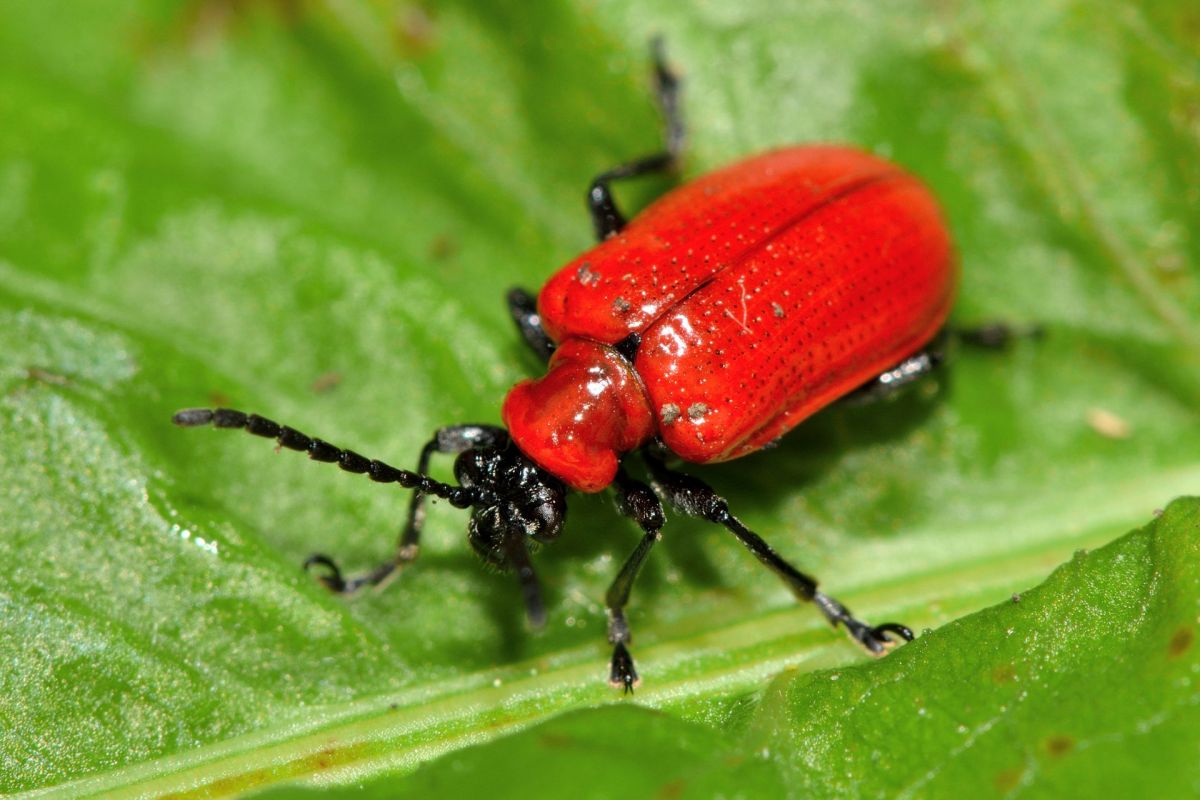
Michigan officials are turning to parasitoid wasps, an unusual form of pest control, to stop scarlet lily beetles, an invasive insect that has been damaging gardens and ecosystems across the state.
What happened?
According to Michigan Public, the state has released more than 4,400 parasitoid wasps during the 2026 field season to control the invasive scarlet lily beetle.
Scarlet lily beetles are a destructive insect that defoliates the stems of flowers, leaves, and lily plants. The beetles are likely coming from Ontario, and Michigan officials have been trying to combat the species for years, Michigan Public reported.
This year, state officials have released thousands of parasitoid wasps. According to Michigan Public, the wasps lay their eggs in lily beetle larvae and eat them before they can mature.
Michigan State University entomologist Marianna Szűcs told Michigan Public that the state has become a critical checkpoint in the beetles' westward movement.
"The reason it's good to implement this biocontrol in Michigan is because it looks like Michigan is the westward front that they are spreading through," she said. "We just want to prevent them from reaching more states, essentially."
TCD Picks » Quince Spotlight
💡These best-sellers from Quince deliver affordable, sustainable luxury for all




Years of permit work, shipping, quarantine, and other setbacks preceded the release of the wasps, the outlet reported. The project was ultimately backed by the North American Lily Society, volunteers, gardeners with large lily beds, and planting sites at the MSU research farm.
Why does it matter?
As the beetle population expands, cherished lilies can be stripped back, and ornamental beds can become an ongoing maintenance headache.
The effort could have benefits beyond Michigan. If the beetles keep spreading west from Ontario into neighboring states, other communities could wind up facing a larger infestation that would be harder and more expensive to control later.
What's being done?
For now, researchers are treating the release of the wasps as a one-time intervention and say any verdict on its effectiveness will take time. Szűcs said, according to Michigan Public, that it may take up to 15 years to know whether the effort is fully successful, although research from New England found the parasitoids could cut beetle populations by up to 90%.
TCD Picks » Quince Spotlight
💡These best-sellers from Quince deliver affordable, sustainable luxury for all
Chemical treatments, by comparison, are a less precise option.
"There is no specific insecticide that would only kill the lily beetle and insecticides also need to be repeated every year," Szűcs said to Michigan Public.
Unlike annual spraying, established parasitoid populations can keep themselves going and continue suppressing beetles without constant reapplication.
Home gardeners, Michigan Public reported, may also help by avoiding wasps if they spot them around infested lilies.
"If they squat and look at those feces-covered lily beetle larvae and they see a wasp probing it, they might have the biocontrol agent in their backyard," Szűcs said. "In that case, it would be better not to spray or kill it but let them build up their populations."

Get TCD's free newsletters for easy tips, smart advice, and a chance to earn $5,000 toward home upgrades. To see more stories like this one, change your Google preferences here.







