


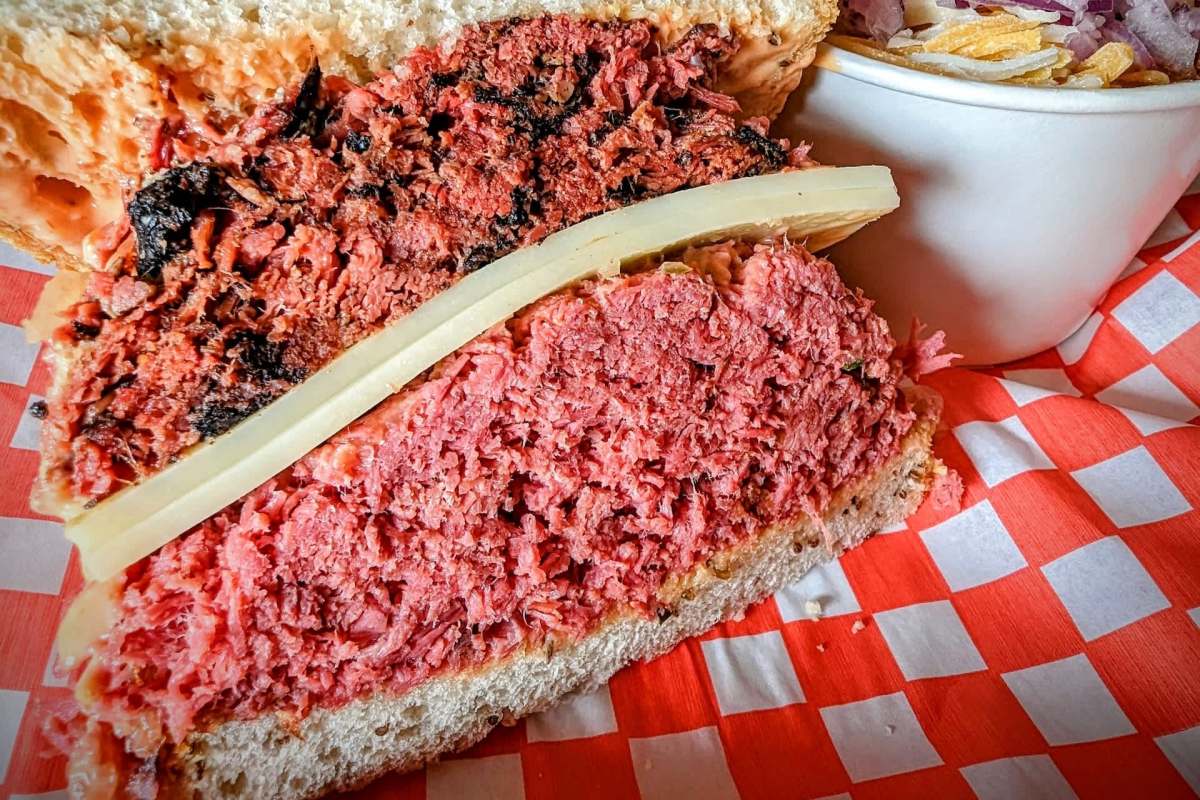
More than 3,200 pounds of ready-to-eat pastrami and corned beef products are being recalled after federal inspectors flagged a possible listeria risk.
The affected products were initially shipped to food service locations in Illinois, Iowa, and Michigan before later being distributed elsewhere nationwide.
What happened?
The USDA's Food Safety and Inspection Service announced the recall after the agency raised concerns about possible Listeria monocytogenes contamination in 3,215 pounds of meat products.
The FSIS thankfully said there have been no confirmed illnesses connected to the recalled items. The agency also noted that the concern was identified during routine inspection work.
All of the recalled items were produced on July 16 and have a 60-day shelf life.
These products include, per FSIS, ten-pound boxes of Midamar Halal Sliced Pastrami Round, twenty to thirty-pound boxes of Bea's Best Cooked Corn Beef Brisket, and twenty to thirty-pound boxes of Kirsch Delicatessen Style Cooked Corn Beef Brisket.
TCD Picks » Quince Spotlight
💡These best-sellers from Quince deliver affordable, sustainable luxury for all




For anyone checking inventory, the affected case codes are 19410, 18919, and 19751, per Fox Business.
Why does it matter?
Listeriosis, the infection caused by Listeria, can be serious and is especially dangerous for older adults, pregnant people, and those with weakened immune systems. According to FSIS, the infection can cause a range of symptoms, including gastrointestinal problems, fever, aches, and confusion.
And because these products are ready to eat, consumers may not cook them further before eating them, removing an extra layer of protection that might otherwise reduce the risk.
Recalled foods may remain in refrigerators, freezers, restaurant kitchens, or deli storage areas after the initial notice is issued, even if a product looks or smells normal.
What can I do?
Anyone with pastrami or corned beef on hand should compare it with the recalled product names and case codes. If there is a match, do not eat or serve it. FSIS also noted that people can return it to their place of purchase.
FSIS said people concerned about possible illness should contact a healthcare provider. Anyone who may have consumed the products, especially those in higher-risk groups, should watch for symptoms of listeriosis.
Restaurants, caterers, and delis should remove recalled products from storage areas and avoid accidentally mixing them with unaffected inventory. Because the products moved through food service channels, some consumers may have eaten them outside the home without ever seeing the original packaging.

Get TCD's free newsletters for easy tips, smart advice, and a chance to earn $5,000 toward home upgrades. To see more stories like this one, change your Google preferences here.







