


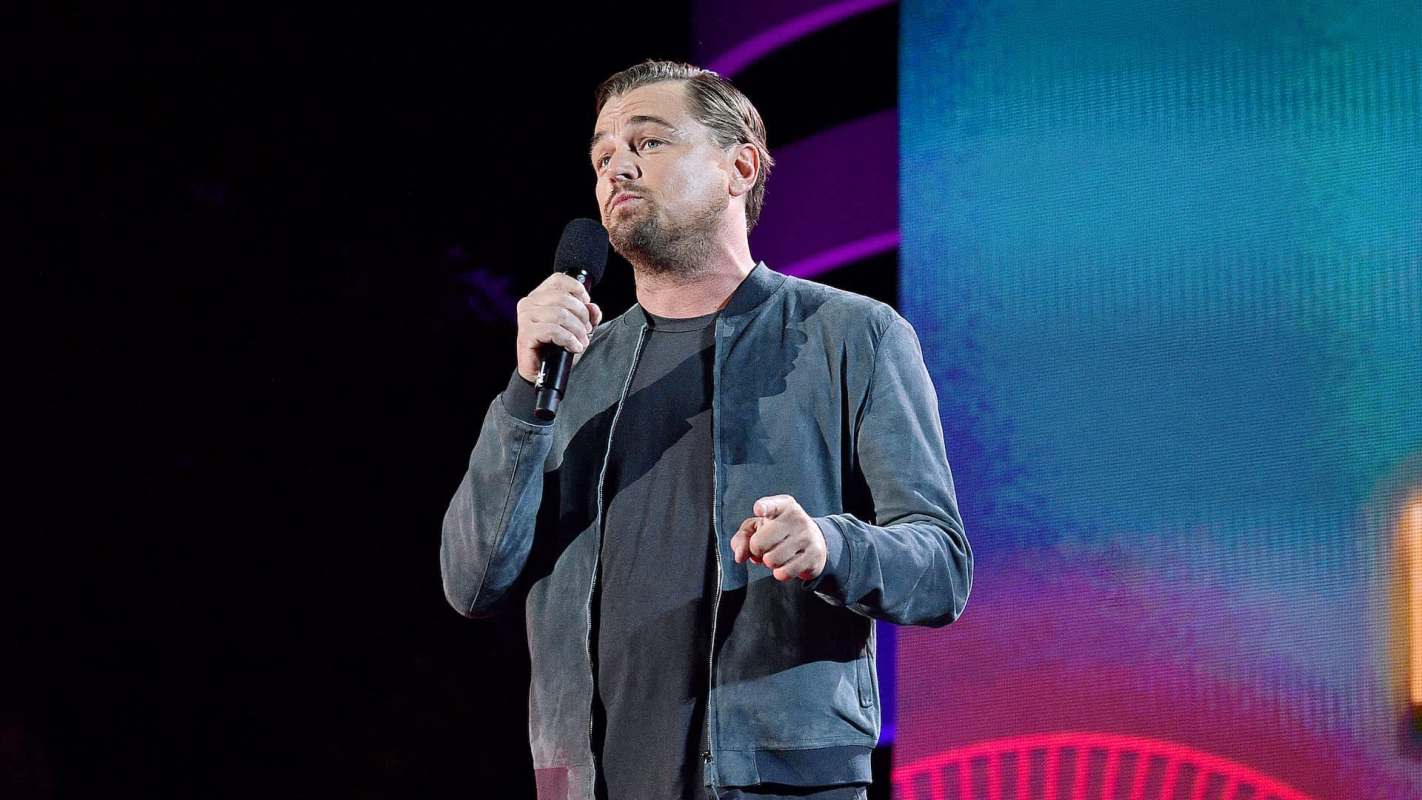
A high-stakes environmental dispute over a proposed transmission line across the Andes has drawn in Leonardo DiCaprio, with the actor urging Chilean officials to change the route rather than move a tiny frog closer to extinction.
What happened?
In an Instagram appeal to nearly 60 million followers, DiCaprio said fewer than 1,000 Pehuenche spiny-chest frogs remain in the wild, according to Bloomberg.
He warned that the planned transmission link between Chile and Argentina could further endanger the species' habitat, while stressing that conservationists are seeking a route change, not the cancellation of the entire project.
At the center of the dispute is Los Cóndores-Río Diamante, a 500-kilovolt line across the Andes being developed by Enel Generación Chile SA to tie together the electricity systems of Chile and Argentina.
Enel has said the project would improve flexibility in power flows, support decarbonization and deepen energy integration between the two countries.
Expanding cleaner electricity infrastructure is critical to reducing planet-warming pollution, but poorly sited projects can still damage fragile wetlands, wildlife, and the mountain landscapes shared by nearby communities and the species that live there.
TCD Picks » Quince Spotlight
💡These best-sellers from Quince deliver affordable, sustainable luxury for all




Found in small wetlands and mountain streams near the Chile-Argentina border, the Pehuenche frog is critically endangered. Its habitat has already been damaged by road construction, making any additional disruption especially significant.
More background
Chile has seen celebrity activism shape environmental politics before.
In the fight over the HidroAysén hydroelectric complex in Patagonia, support from musicians and television personalities helped turn the controversy into a major national political battle before the project was rejected in 2014.
Unlike some previous fights over large infrastructure, this one is not centered on stopping development outright. The demand, instead, is for a redesign that would allow grid improvements to proceed without sacrificing one of the region's rarest amphibians.
Communities need reliable, lower-pollution power systems, especially as countries work to phase down fossil fuels. But when conservation concerns are overlooked, projects can face conflict, delays, and a loss of public trust, all of which can slow progress toward a healthier, more stable future.
What's being done?
For now, the matter is moving through Chile's environmental review process, where authorities are deciding the transmission project's future.
DiCaprio's post has intensified calls from conservationists who want the line's path adjusted to reduce the risk to the frog.
Rerouting could allow grid improvements to proceed while also recognizing that construction decisions can have real consequences for waterways, wetlands, and vulnerable species.
As countries expand transmission lines, renewable energy, and other lower-emissions infrastructure, better planning from the outset can help avoid expensive battles later.
Mapping sensitive habitats early and consulting affected communities can make projects more durable and less destructive.
By weighing in, DiCaprio has pushed a once-local dispute onto the global stage. The focus this time is on protecting the frog by rerouting.

Get TCD's free newsletters for easy tips, smart advice, and a chance to earn $5,000 toward home upgrades. To see more stories like this one, change your Google preferences here.






