


For a bird species hanging on by a thread, even a single successful rescue can carry enormous weight.
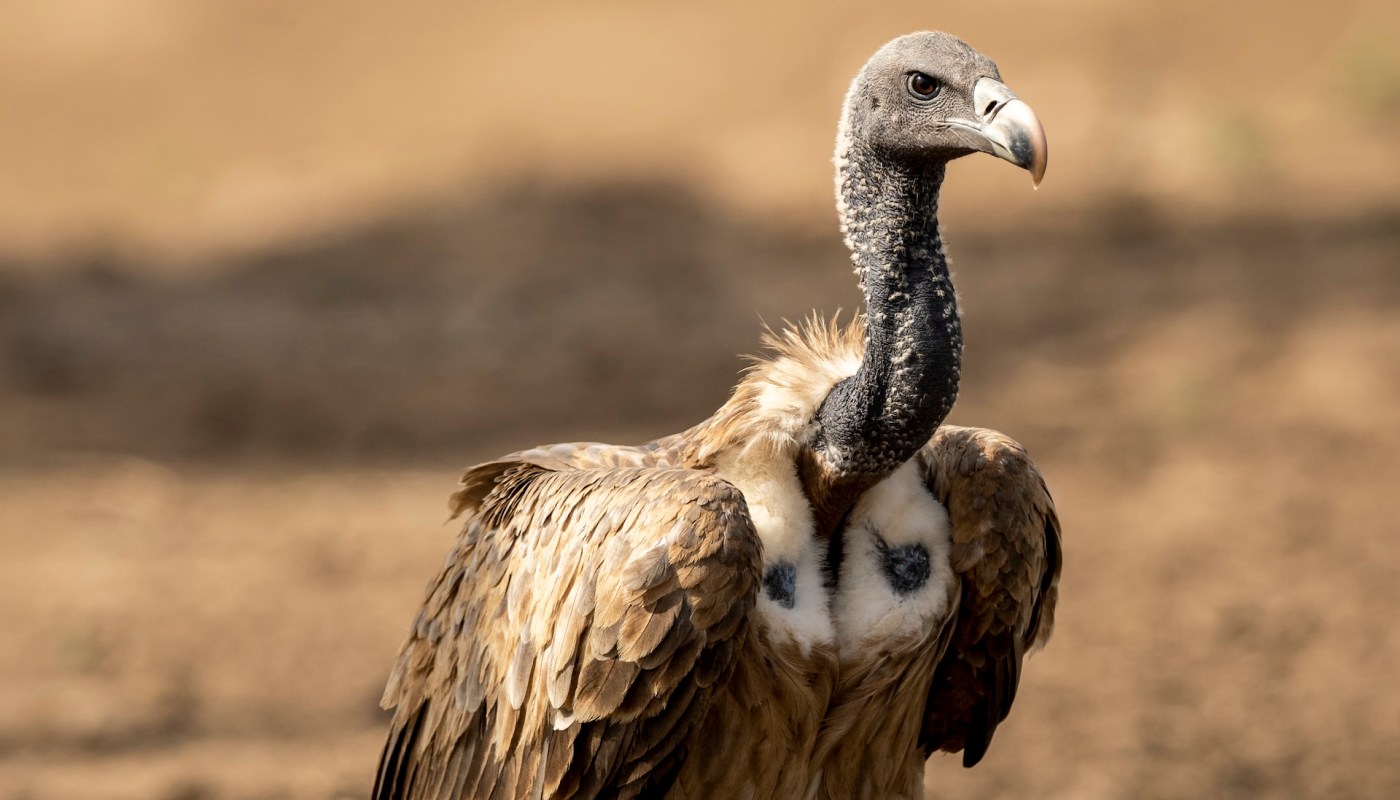
In southern India, a six-month-old Indian vulture was treated for a leg injury and released back into the wild, offering a hopeful sign for one of the world's most threatened scavengers.
What happened?
A young Indian vulture, also known as Gyps indicus, was rescued on June 10 at the Sri Ramadevarabetta Vulture Sanctuary in Ramanagara after the Forest Department said the bird was unable to move, according to The Hindu.
The rescue was carried out by PfA's Quick Reaction Rescue Team. Once the bird arrived at the hospital, veterinarians conducted a full clinical examination and took digital radiographs, which revealed a small fracture near the femoral head of the left leg.
PfA said, "Considering the bird's young age and the potential consequences of improper healing — including limb shortening and impaired mobility — a conventional fracture-management approach was undertaken, followed by a carefully supervised rehabilitation programme."
Over the next two months, the vulture underwent treatment, rehabilitation, and repeated assessments to ensure it had regained mobility, strength, and flight ability.
TCD Picks » Quince Spotlight
💡These best-sellers from Quince deliver affordable, sustainable luxury for all




After passing a flight assessment, the bird was released at the sanctuary on August 6.
Teams then monitored the vulture for three days and observed it flying well, moving normally, and feeding successfully in the wild.
The species is on the International Union for Conservation of Nature's Critically Endangered Red List.
Why does it matter?
Indian vultures have undergone steep declines, which means the survival of a single bird can take on added importance. A young vulture making it back into the wild gives a vulnerable population one more chance to hold steady.
TCD Picks » Quince Spotlight
💡These best-sellers from Quince deliver affordable, sustainable luxury for all
Colonel Dr. Navaz Shariff, chief wildlife veterinarian, PfA Wildlife Hospital, said, "When a population is reduced to just a handful of birds, the survival of every individual becomes critical to the species' future. In such cases, timely rescue, accurate diagnosis, appropriate veterinary intervention and proper rehabilitation can make the difference between losing an individual and giving it a second chance in the wild."
Vultures play a major role in keeping landscapes clean by quickly consuming animal carcasses, which can help limit the spread of disease and reduce other ecological pressures.
By protecting vultures, conservationists are also supporting healthier ecosystems, which can in turn benefit nearby communities, livestock areas, and public health.
What's being done?
The response in this case involved the Forest Department, the PfA hospital, and field teams working through each phase of care, from rescue and diagnosis to rehabilitation and release.
Digital radiography helped identify the injury, supervised rehabilitation gave the bird time to recover safely, and a flight test helped confirm that release was appropriate.
Post-release monitoring showed whether the bird could survive on its own.
Shariff said the release is about far more than one bird: "It represents an important contribution to the conservation of a critically endangered species and reinforces the need to protect the remaining habitat and breeding populations of vultures in Karnataka."

Get TCD's free newsletters for easy tips, smart advice, and a chance to earn $5,000 toward home upgrades. To see more stories like this one, change your Google preferences here.







