


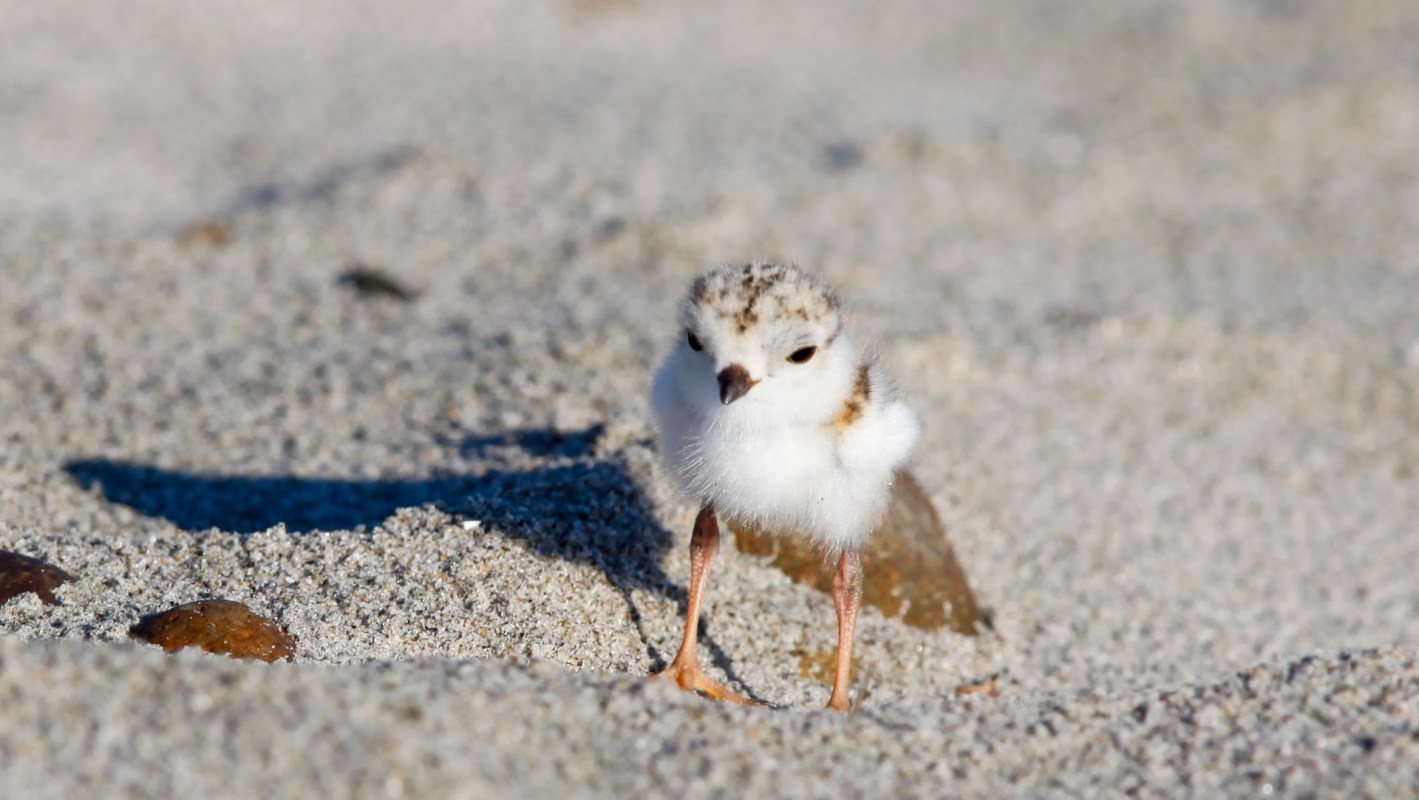
Piping plovers, the small shorebirds that once dwindled badly, are again appearing along Chicago's Montrose Beach. Their tentative recovery has turned the lakefront into a place where the birds coexist with families, birders, and other beach visitors, underscoring what steady conservation work can achieve.
Those gains, however, may be harder to protect under federal revisions to endangered species rules announced on July 17. Advocates warn that the habitat relied on by plovers — and by many other Midwestern animals — could become more vulnerable.
What's happening?
According to the Chicago Tribune, the Trump administration revised the Endangered Species Act so that "harm" no longer covers significant changes to habitat. Wildlife advocates argue that this narrows one of the country's central conservation protections.
Ben Greuel of the Sierra Club, the group's national wildlife campaign manager, put the concern this way: "If you take water away from a fish, you're going to harm that fish."
He added, "You're taking away the habitat it needs to survive. That was a common sense element of the Endangered Species Act."
The Great Lakes piping plover shows why the debate matters. Habitat loss reduced the bird's population to about 13 pairs by the 1980s, before conservation efforts helped raise the count to roughly 80.
TCD Picks » Quince Spotlight
💡These best-sellers from Quince deliver affordable, sustainable luxury for all




The shift is one piece of a larger package of policy changes announced on July 17. In addition, the administration said it would stop automatic protections for threatened species and that "critical habitat" determinations should also consider economic, national security, and other effects.
Why does it matter?
Montrose Beach has already shown how local protection can matter: Monty and Rose became Chicago's first confirmed nesting piping plovers in more than half a century, and their return helped lead to an expanded habitat area at Montrose Dunes in 2021.
Tamima Itani, who leads Chicago Piping Plovers, said the birds have drawn strong support locally.
Her concern is what awaits them after they migrate out of the city: "That's what I worry about; will those beaches be protected and preserved for these birds to return to?"
TCD Picks » Quince Spotlight
💡These best-sellers from Quince deliver affordable, sustainable luxury for all
Researchers and advocates say the consequences could extend beyond plovers to species such as whooping cranes and Hine's emerald dragonflies.
Marla Garrison, faculty emeritus at McHenry County College, described the dragonfly as "a perfect example of how it is dependent on critical habitat."
Rules that protect habitat also influence how land gets developed, helping keep wetlands, shorelines, and other outdoor areas intact and discouraging more damaging construction patterns.
What's being done?
In July, environmental organizations represented by Earthjustice sued in an attempt to reinstate the previous definition of harm.
Kristen Boyles, managing attorney at Earthjustice, said habitat conservation plans had at least forced developers to limit damage before permits were issued, and she warned that fewer protections could be left without that backstop.
Supporters of the Endangered Species Act also point to its history of recovery efforts. Whooping cranes dropped to 15 birds in 1938 and, after decades of wetland protection and preservation, now number more than 500.
At Montrose, sanctuary management, bird monitoring, and public outreach are all contributing to a safer refuge for species facing pressure.
Alex Terrana, a Chicago birder at Montrose, cautioned that local action has limits: "Over time, what everyone else is doing is going to affect us, even if we are protecting Chicago."
Rich Beilfuss of the International Crane Foundation echoed that concern, saying, "I fear this will slant us too far toward not having any voice in those kinds of decisions."

Get TCD's free newsletters for easy tips, smart advice, and a chance to earn $5,000 toward home upgrades. To see more stories like this one, change your Google preferences here.







