


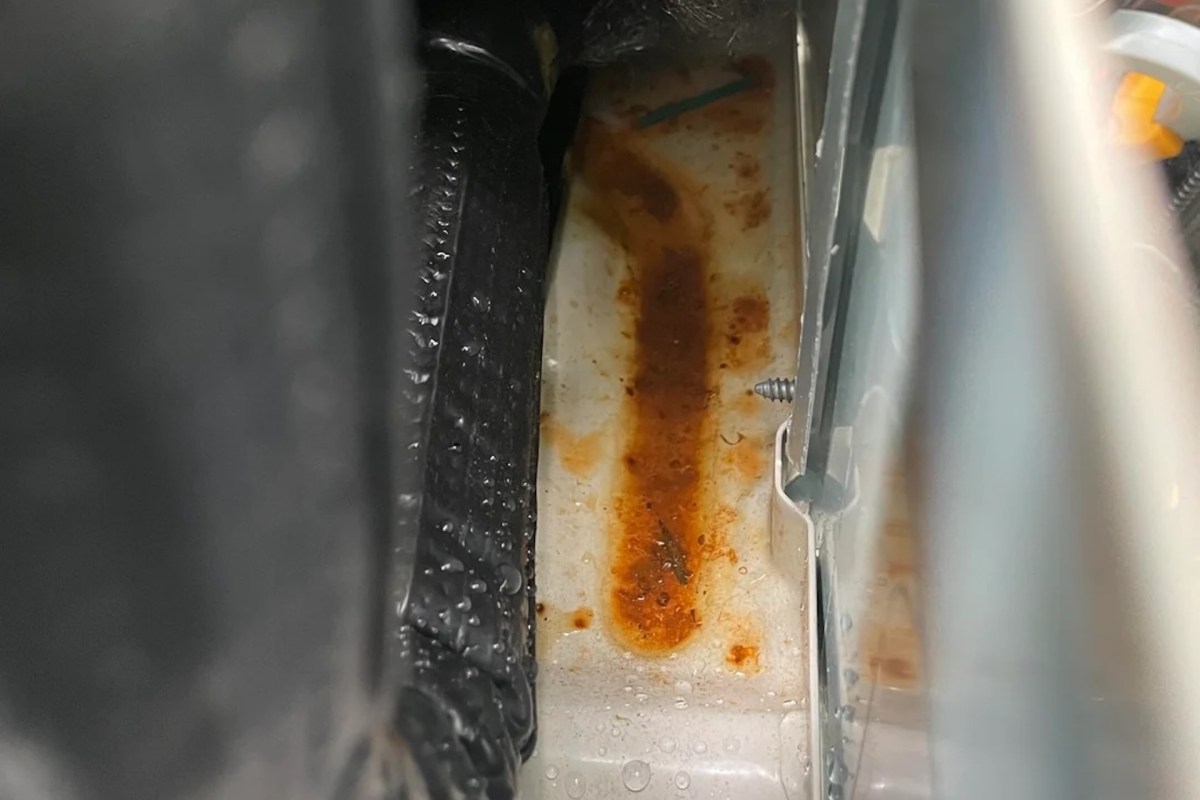
A homeowner in Pennsylvania turned to Reddit after spotting rust on a Mitsubishi Hyper Heat outdoor unit that was only three months old.
What came back was a reminder that even high-efficiency home upgrades can be undermined by a single installation mistake.
What happened?
Before the rust question was resolved, the homeowner said a technician had already identified "there is an oil and refrigerant leak" and planned to pressure test the system, fix the leak, pull a vacuum, and refill the refrigerant.
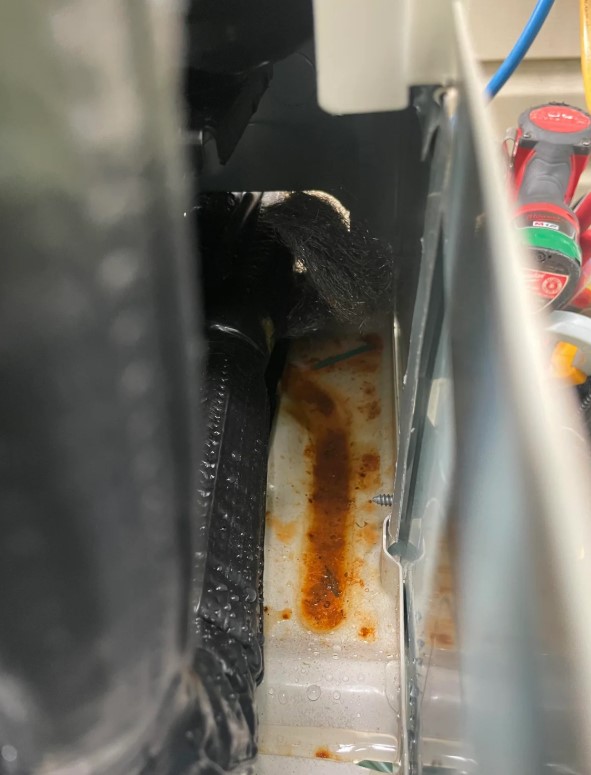
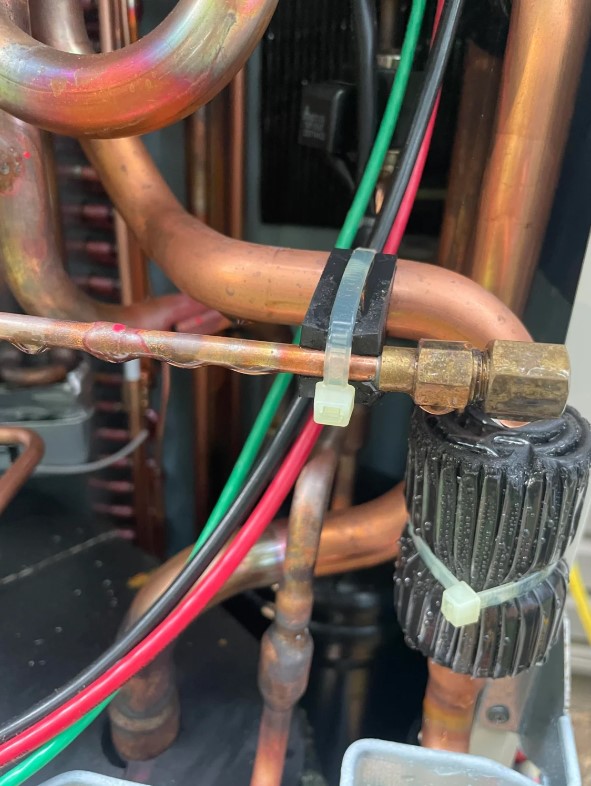
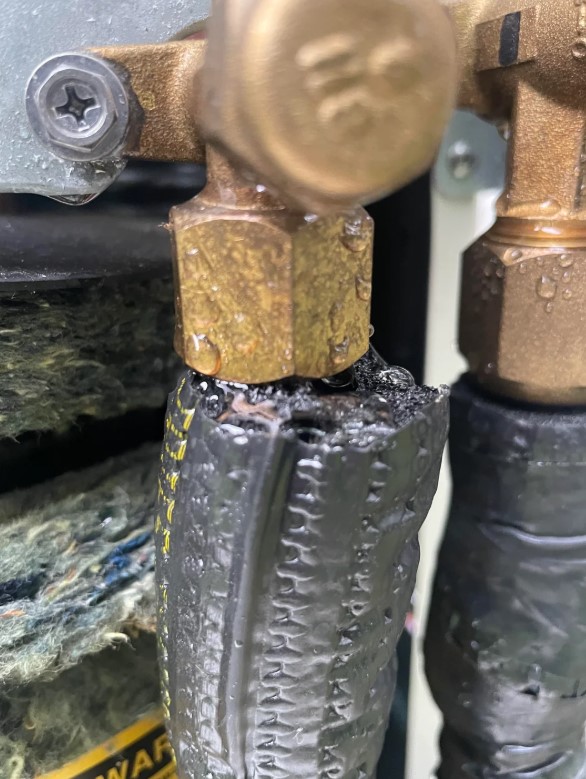
During the same visit, the tech said the moisture on the pipes and floor was normal condensation and that the rust in the unit's base pan was nothing to worry about.
Commenters, though, focused on something else visible in the photos: steel wool packed around the line set opening.
One user wrote, "I think it's the steel wool. I install Mitsubishi, don't stop up the lineset hole with steel wool, and I've never seen this. The steel wool is for critters."
TCD Picks » Quince Spotlight
💡These best-sellers from Quince deliver affordable, sustainable luxury for all




The homeowner quickly embraced that explanation, writing, "OMG you're brilliant! I bet that's it."
After taking it out, the poster returned with: "What would I do without Reddit?"
Why does it matter?
Heat pumps are among the more consumer-friendly home electrification upgrades because they can both heat and cool a home efficiently in a single system. For many households, that can translate into lower energy bills over time, especially if the unit is replacing more expensive fuels such as oil, propane, or electric resistance heating.
A brand-new system with a leak, visible rust, and mixed messages from a contractor can quickly turn a money-saving upgrade into a stressful and potentially costly experience.
Even if the rust is superficial, a refrigerant leak can still reduce performance and efficiency. And if a homeowner is told corrosion is normal when it may actually stem from a preventable material choice, that can undermine trust in the installation process just as much as it stains the equipment.
What can I do?
Multiple commenters advised avoiding regular steel wool near an outdoor heat pump. It can rust quickly when exposed to moisture, transferring that discoloration to the unit's base pan.
Users suggested alternatives such as copper mesh, duct seal putty, or "the green plastic-dipped 1/4" hardware cloth" to keep critters out without creating new corrosion concerns.
Documenting the issue with photos, asking the installer to confirm the exact source of any rust, and getting refrigerant leak repairs clearly explained can help.
If a system is only a few months old, asking about warranty coverage and requesting a second opinion can also help protect both performance and future savings.

Get TCD's free newsletters for easy tips, smart advice, and a chance to earn $5,000 toward home upgrades. To see more stories like this one, change your Google preferences here.






